



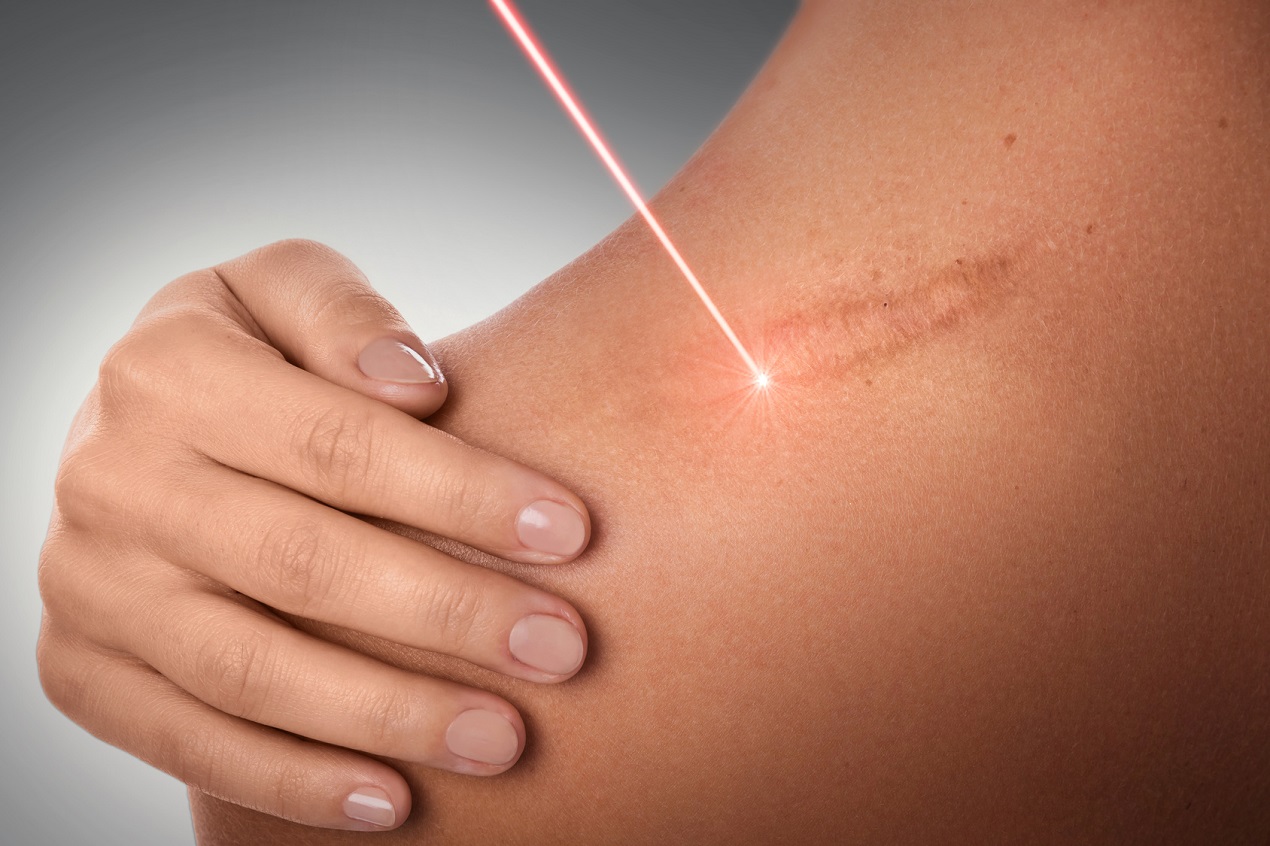
Laser technology is a widely used treatment and aesthetic method today. However, during any treatment or procedure, accidents may occur, resulting in laser burns. A 1-degree laser burn is the mildest type of burn and usually causes limited damage to the upper layer of skin.
A 1-degree laser burn manifests itself with symptoms such as slight redness, pain and mild swelling on the skin. This type of burn usually heals on its own and does not require serious medical attention. However, in some cases, if the burn is deeper or affects a large area, medical attention may be required.
2. Factors Causing 1 Degree Laser Burns
Factors causing a 1-degree laser burn may include incorrect laser settings, incorrect application, or device malfunction. The intensity and duration of the laser may cause the skin to burn, resulting in a 1 degree laser burn.
Additionally, laser treatment of skin exposed to sunlight may increase the risk of 1 degree laser burn. Applying a laser to sunburned or tanned skin may cause the skin to become more sensitive and cause a reaction that could cause a burn.
3. Signs and Symptoms of 1 Degree Laser Burn
Symptoms of a 1-degree laser burn usually appear as mild redness, pain or slight swelling in the burn area. Additionally, there may be tenderness in the burn area. Depending on the severity of the burn, these symptoms may last several hours or several days.
If there are symptoms such as crusting or blistering in the burn area, this indicates that the burn may be more serious and medical attention may be required. However, usually a 1 degree laser burn is mild and heals on its own.
4. Treatment of 1 Degree Laser Burn
A 1-degree laser burn usually heals on its own and does not require serious medical intervention. However, it is important to keep the burn area clean and moist. Applying a cold compress or using a mild moisturizer can relieve pain and speed up the healing process.
If you have symptoms such as crusting or blistering at the burn area, it is important to seek medical attention. The doctor may clean the burn area, recommend antibiotic cream or ointment, and prescribe pain medications if necessary.
5. Natural Methods That Can Be Used at Home for 1 Degree Laser Burns
There are some natural methods that can be applied at home for 1 degree laser burns. For example, aloe vera gel can be applied to the burn area. Aloe vera can soothe the burn area and speed up the healing process.
Another natural method is to use lavender oil. Lavender oil, when applied to the burn area, can relieve pain and help the burn heal faster. In addition, honey, known for its high antioxidant content, can also be applied to the burn area.
6. When Should Medical Assistance Be Seen in Case of 1 Degree Laser Burn?
Usually, a 1-degree laser burn heals on its own and does not require medical attention. However, in some cases it is important to seek medical help. For example, if there is crusting, blistering, signs of infection, or severe pain in the burn area, it is important to seek medical attention.
Additionally, if the burn area spreads over a large area or affects the face, hands, or genital area, it is important to seek medical attention. In such cases, the burn may be more serious and a doctor's intervention may be required.
7. Ways to Prevent 1 Degree Laser Burn
It is important to take some precautions to prevent 1 degree laser burn. First of all, it is important to consult a qualified healthcare professional who performs laser treatment. The specialist will determine the appropriate laser settings and correct application methods.
Additionally, it is important not to perform laser treatment on skin that has been exposed to the sun. Treating sunburnt or tanned skin with a laser may cause further damage to the skin. It is also important to moisturize and protect the skin before and after laser treatment.
8. Tips for Safe Laser Use
There are some tips to ensure safety when using lasers. First of all, it is important to read the instructions carefully before using the laser and use it correctly. Using and applying the laser only by a trained healthcare professional ensures safe use.
Additionally, it is important to use appropriate glasses or protective equipment to protect the eyes from laser light. When using the laser, it is important to be careful not to let the light shine directly into your eyes. It is also important to keep the laser out of reach of children.
9. Healing Process of 1 Degree Laser Burn
A 1-degree laser burn usually heals on its own, and the healing process may take a few days or a few weeks. The healing process may vary depending on individual factors. Keeping the burn area clean and moist can speed up the healing process.
In addition, applying a low-intensity cold compress to the burn area can also relieve pain and speed up healing. It is also important to avoid contact with the burn area and protect the skin. Skin during the healing process
1 degree laser burn
Free Information,
Consultation and Appointment Request
 Call
Call
 Whatsapp