



Knowing a little about the causes and mechanisms of facing acne problems at the age of 30 can help you understand this problem better. While teenage acne is often associated with hormonal changes, the causes of adult acne can be more complex. Many factors, such as eating habits, stress, hormonal changes, and errors in the skin care routine, can contribute to the formation of acne at the age of 30.
Causes of Acne in Adults
There are many factors underlying acne problems at the age of 30. One of these is hormonal changes. In women, hormonal changes such as menstrual periods, pregnancy, and menopause can trigger acne formation. Additionally, stress is also a major contributing factor to acne formation. Stress causes the body to release a hormone called cortisol, which can increase acne formation. In addition, mistakes in your skin care routine, use of wrong products and eating habits can also lead to acne.
Hormonal Changes and Acne
Many women who have acne problems at the age of 30 find that hormonal changes trigger acne formation. Hormonal fluctuations, especially during menstrual periods, can increase oil production in the skin and encourage acne formation. At the same time, major hormonal changes such as pregnancy and menopause can also cause acne. Therefore, it is important to understand the effects of hormonal changes on acne and take precautions accordingly.
Lifestyle Factors and Acne
Lifestyle factors can play a significant role in the emergence of acne problem at the age of 30. Factors such as stress, sleep patterns, eating habits and smoking can affect acne formation. Stress can promote acne by increasing inflammation in the body. Likewise, unhealthy eating habits and smoking can contribute to acne due to their effects on healthy skin. Therefore, reviewing your lifestyle and adopting healthy habits can help you control acne.
Skin Care Routine for Acne at 30 Years Old
It is important to create a proper skin care routine for those who have acne problems at the age of 30. Keeping your skin clean, moisturizing regularly and using appropriate products can reduce acne formation. Using a gentle cleanser instead of soap will help cleanse your skin without irritating it. Additionally, products containing active ingredients such as salicylic acid and benzoyl peroxide may be effective against acne. However, it is important to choose the right products considering your skin type and needs.
Acne Treatment at 30 Years Old
Those with acne problems at the age of 30 can begin treatment, usually starting with over-the-counter products. These products can help reduce acne breakouts. You can try products that contain active ingredients such as salicylic acid and benzoyl peroxide. However, if your acne problem is severe or over-the-counter products do not work, it is important to consult a dermatologist. Dermatologists can create a treatment plan that targets the causes of acne by determining treatment methods suitable for your skin.
Over-the-Counter Products for Adult Acne
Using over-the-counter products for adult acne can help you get acne under control. Cleansers and toners containing salicylic acid can cleanse your skin and reduce acne formation. At the same time, creams and gels containing benzoyl peroxide can improve acne by killing acne-causing bacteria. However, it is important to be careful when using these products. Following dosage instructions and cleansing your skin without overdoing it is important to prevent unwanted side effects.
Professional Treatments for Adult Acne
If over-the-counter products don't work, it's important to ask a dermatologist about professional treatment options. Dermatologists may recommend different treatment methods depending on the causes of acne. These treatments may include oral or topical medications, laser therapy, chemical peeling and microneedling. Your dermatologist will determine the treatment options suitable for your skin type and the severity of acne and recommend the most suitable one for you.
Dealing with the Emotional Effects of Acne at 30
Those who have acne problems at the age of 30 can be affected not only physically but also emotionally. Acne can lower self-confidence, negatively impact social interaction, and reduce a person's overall quality of life. Therefore, it is important to get emotional support to deal with acne. Talking to friends, family, or a support group can ease your emotional burden. Additionally, adopting a positive lifestyle can make you feel better.
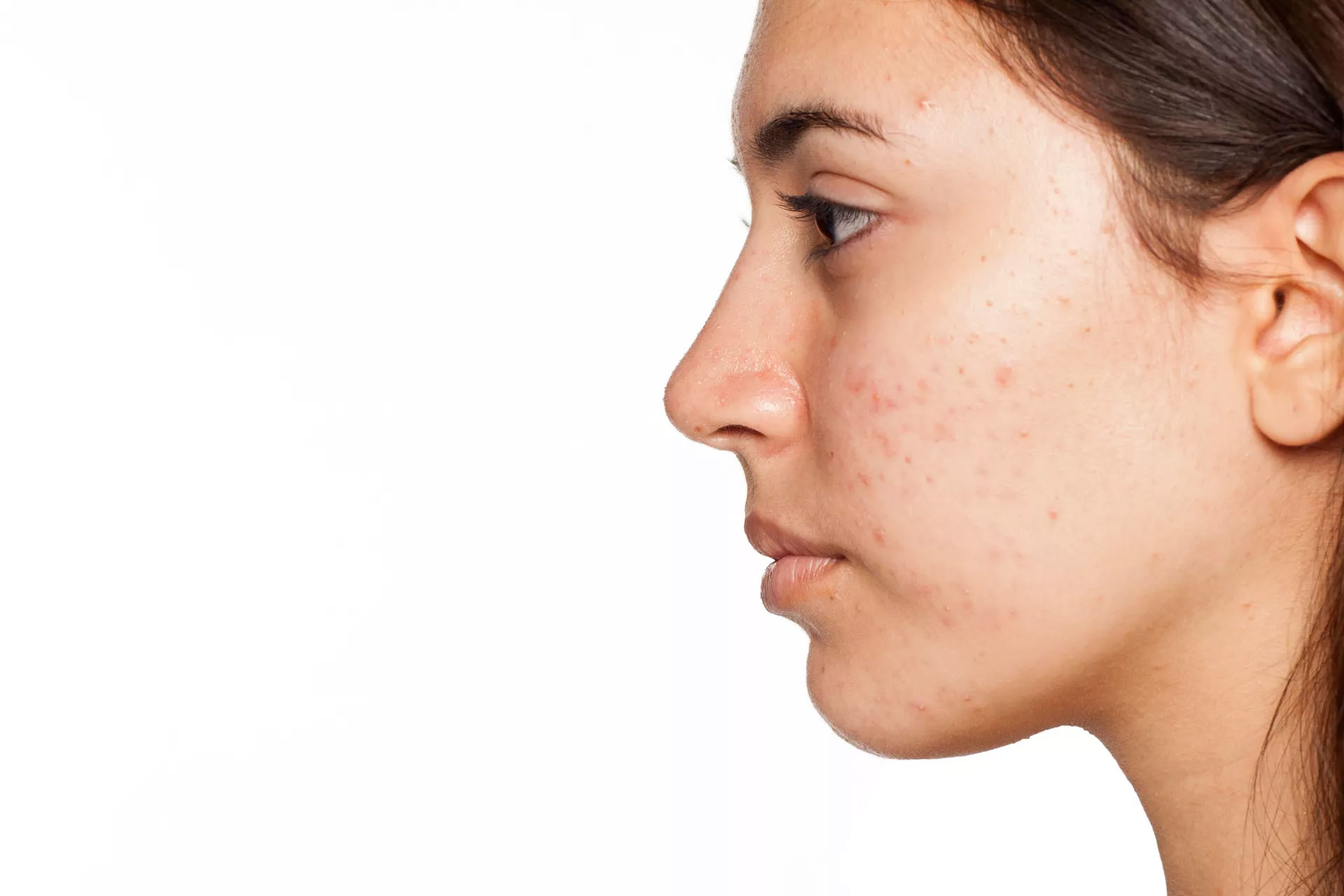
30 year old acne
Free Information,
Consultation and Appointment Request
 Call
Call
 Whatsapp