


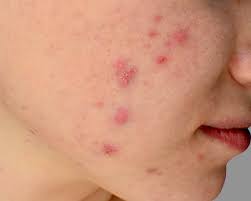

Acne and Antibiotic Treatment
Acne is a skin problem that occurs as a result of blockage and inflammation of the oil glands, and can sometimes lead to serious illnesses. In severe acne cases, especially inflamed acne (such as cysts or nodules), antibiotic treatment may be required. Antibiotics help treat bacterial infections on the skin and thus reduce inflammation.
Antibiotic treatment can generally be applied in two ways: topical (applied directly to the skin) or systemic (taken orally). However, antibiotic treatment is not necessary in every acne case. Antibiotics are used especially in severe and inflammatory acne types and should be applied correctly.
The Role of Antibiotics in Acne Treatment
Antibiotics target bacteria on the skin and reduce the inflammation that triggers acne. In severe acne cases, the proliferation of bacteria leads to the growth and inflammation of the acne. Antibiotics control the inflammation by preventing the growth of these bacteria and soothe the acne.
Antibiotics can only treat bacterial infections, meaning they are only effective if the underlying cause of acne is a bacterial infection. If acne is caused by other factors, such as hormones, genetic factors, or excess oil production in the skin, antibiotics alone may not be enough. Therefore, antibiotic treatment is usually used in conjunction with other treatment methods.
Topical Antibiotics
Topical antibiotics are medications applied directly to the skin and are usually one of the first choices for acne treatment. Antibiotics, such as clindamycin and erythromycin, are applied directly to inflamed acne in topical form. These medications target the bacteria under the skin and help the acne heal.
Topical antibiotics can be effective for mild to moderate acne. However, antibiotic resistance can develop with long-term use, so they should be used as directed by a doctor. Also, topical antibiotics can often have side effects such as dry skin and irritation, so using a regular moisturizer can be helpful.
Systemic Antibiotics
Systemic antibiotics are medications that are usually taken orally and are used for more severe acne. Tetracyclines (such as doxycycline, minocycline), sulfonamides, and clindamycin are the most commonly used systemic antibiotics for acne treatment. These antibiotics target bacteria found throughout the body, not just skin bacteria, and control severe inflammation in the skin.
Systemic antibiotics can be effective for more complex cases such as deep acne, nodules, and cystic acne. However, long-term use of these drugs can carry the risk of side effects (especially stomach and intestinal problems) and antibiotic resistance. Therefore, systemic antibiotic treatment should be carefully monitored by a doctor.
Things to Consider About Antibiotic Treatment
Antibiotic treatment can be quite effective when used correctly, but there are some important points to consider:
Use with a Doctor's Recommendation:
Antibiotics should only be used with the advice of a doctor. Incorrect use can reduce the effectiveness of the drug and lead to antibiotic resistance.
Duration of Treatment:
Antibiotic treatment is usually applied for a certain period of time. Stopping antibiotics before the treatment period is completed may cause treatment failure. Treatment should be continued for the duration recommended by your doctor.
Side Effects:
Antibiotics can cause some side effects. These may include skin redness, dryness, stomach upset and intestinal problems. If you notice a side effect, it is important to report it to your doctor.
Balanced Skin Care:
It is also necessary to take care of your skin during antibiotic treatment. Strengthening the skin barrier by using gentle cleansers and moisturizers will be beneficial during the treatment process. It is also very important to use sunscreen during antibiotic treatment.
Alternative Treatments:
Antibiotic treatment usually prevents acne from worsening due to bacterial infections, but additional treatment methods may be required for other causes of acne. Methods such as hormone level regulating treatment, topical treatments or laser can be applied in addition to antibiotic treatment.
In Conclusion
Antibiotics are an effective tool in the treatment of severe and inflammatory acne. However, it is important to be evaluated by a specialist dermatologist in order to choose the right treatment method. In addition to antibiotic treatment, acne treatment can be more successful with regular skin care, healthy lifestyle habits and doctor's check-ups.
Each treatment should be personalized, so it is best to choose the most appropriate treatment method by consulting your dermatologist.
 Call
Call
 Whatsapp