


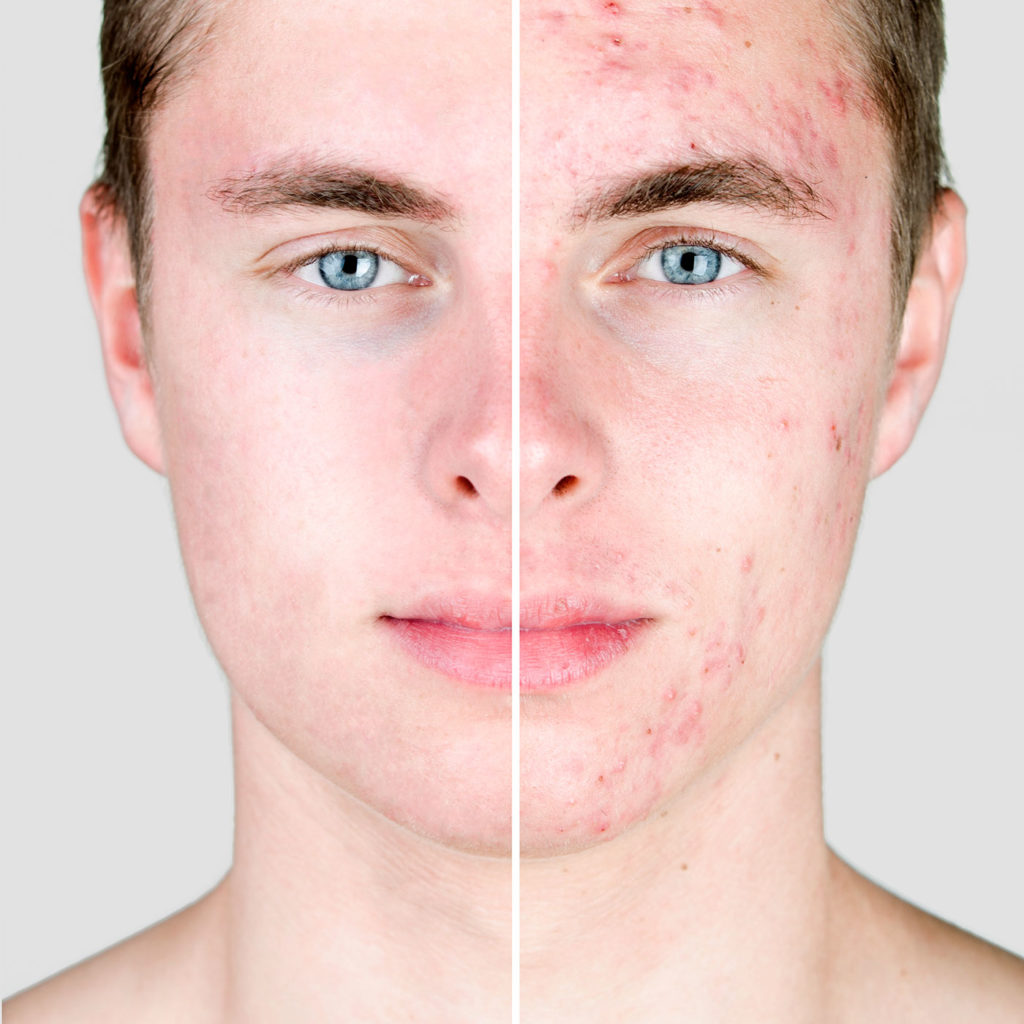

Acne is one of the skin problems that is usually seen in oily areas such as the face, back and chest, and is caused by the blockage of the oil glands under the skin. Acne can be seen in four different types: comedones, papules, pustules and nodules. Comedones are clogged pores known as blackheads and whiteheads. Papules are high and red pimples. Pustules are pimples that contain pus. Nodules are deeper and painful pimples.
Causes of Acne Formation
The main causes of acne formation are as follows:
Excessive Sebaceous Secretion: Excessive work of the sebaceous glands and excessive oil production are the most important causes of acne formation.
Clogged Pores: Dead skin cells, bacteria and oil block the pores and cause acne formation.
Hormonal Changes: Hormonal changes during periods such as puberty, menstruation, pregnancy and menopause trigger acne formation.
Stress: The body's response to stress can contribute to acne by disrupting hormonal balance.
Genetic Predisposition: Some people are more prone to acne. Family history can play a significant role in this.
Acne Treatment Methods
A variety of methods can be used to treat acne:
Topical Treatments: The most commonly used method for acne treatment is topical (applied to the skin). These treatments contain active ingredients that prevent or reduce acne formation.
Oral Treatments: For more resistant or widespread acne, oral (oral) medications can be used. These are prescribed to restore hormonal balance or reduce inflammation.
Dermatological Treatments: Dermatological treatments may be necessary for resistant or severe acne. These treatments may include laser, light therapy, chemical peels or surgical interventions.
Lifestyle Changes: To reduce acne formation, it is important to improve eating habits, implement stress management and cleanse the skin regularly.
Dermatological Treatments for a Definitive Solution to Acne
For a definitive solution to acne, it is important to consult a specialist dermatologist. Dermatological treatments can permanently solve the problem of acne:
Laser Treatment: Laser beams are used to treat acne and the scars caused by them. This method is especially effective in deep and resistant acne.
Light Therapy: Lights of certain wavelengths have a healing effect and prevent the formation of acne.
Chemical Peeling: It peels the skin in a controlled manner, opens clogged pores and encourages the formation of new, healthy skin.
Drug Treatments: Oral or topical medications can be prescribed, especially for resistant acne. These medications provide hormonal balance, reduce inflammation and prevent acne formation.
Surgery: Surgical interventions may be necessary in very resistant and severe acne. These procedures may include surgically removing acne or removing its scars.
 Call
Call
 Whatsapp