


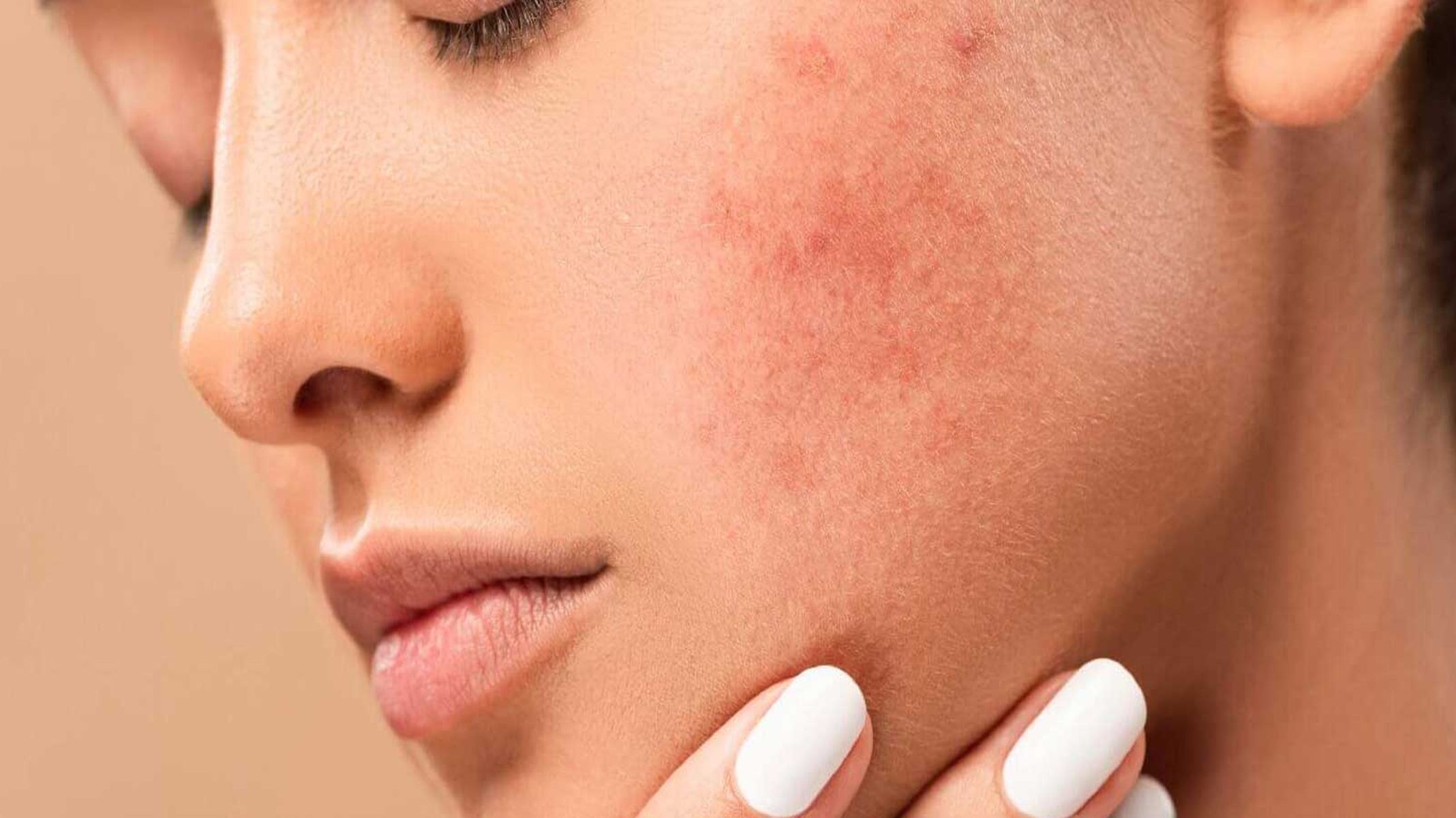

Acne medication contains active ingredients that target the factors that cause acne. These ingredients reduce excess oil production, inhibit the growth of bacteria, and reduce the accumulation of dead cells. This helps acne heal faster and prevent new acne from forming.
Acne medication is usually used topically (applied to the skin) or orally (taken by mouth). While topical medications are applied directly to acne, oral medications have a systemic effect and affect the entire body.
Benefits and Effects of Acne Medication
There are many benefits of acne medication:
1. Preventing Acne Formation: The active ingredients of acne medication prevent the formation of new acne by inhibiting the excessive oil production and growth of bacteria.
2. Healing Existing Acne: The medication reduces the accumulation of dead cells and treats infections, thus helping existing acne heal faster.
3. Improving Skin Health: Acne medication improves the overall appearance and texture of the skin, resulting in healthier, brighter skin.
4. Increased Self-Confidence: The reduction or disappearance of acne makes the person feel more confident and better about themselves.
The effects of acne medication may vary depending on the formulation used, active ingredients, and the individual's skin structure. While some medications provide faster results, others may require longer-term use. Regular and correct use is very important to achieve the best results.
Acne Medication Usage and Dosage
The use and dosage of acne medication are determined according to the person's skin type, acne severity, and the doctor's advice. Topical medications are usually applied to clean and dry skin once or twice a day. Oral medications are taken regularly according to the doctor's prescription.
The use of topical medications is as follows:
5. Cleanse and dry the skin.
6. Distribute the medication with your fingertips or a cotton pad.
7. Wait for the medication to be completely absorbed.
8. Repeat once or twice a day if necessary.
The use of oral medications is as follows:
9. Take the medication at the same time every day, preferably with meals.
10. Swallow the medication with water or other liquid.
11. Never increase the dosage on your own, use as directed by your doctor.
Regular and correct use is very important for the effectiveness of acne medication. It usually takes between 4-12 weeks to see its effects. Following your doctor's recommendations and being patient will help you get the best results.
Acne Medication Side Effects and Things to Consider
Acne medications are generally safe and effective, but some side effects can occur. The most common side effects are:
• Dryness and Irritation: Some medications, especially topical ones, can cause dryness, redness, and irritation on the skin.
• Sun Sensitivity: Some medications can make the skin more sensitive to sunlight.
• Gastrointestinal Problems: Oral medications can cause gastrointestinal problems.
• Hormonal Changes: Some oral medications can affect hormonal balance.
Most of these side effects are mild and decrease over time. However, it is important to consult your doctor in case of severe or persistent side effects.
Here are some things to consider when using acne medication:
12. Follow Your Doctor's Recommendations: Use acne medication as prescribed by your doctor. Never increase the dosage on your own.
13. Use Sun Protection: If you are using medications that can cause sun sensitivity, be sure to apply sunscreen before going outside.
14. Moisturize Your Skin: Acne medications can dry out the skin, so use a moisturizer regularly.
15. Stress Management: Stress can trigger acne. Practice stress management techniques.
16. Healthy Diet: A balanced and healthy diet supports skin health.
What to Consider When Choosing an Acne Medication?
There are a few important points to consider when choosing an acne medication:
17. Your Skin Type: There are formulations suitable for different skin types. Moisturizers should be preferred for dry skin, and oil-reducing ingredients for oily skin.
18. Acne Severity: Depending on your mild, moderate or severe acne problem, medications containing different active ingredients should be selected.
19. Active Ingredients: Examine the active ingredients in the content. Ingredients such as benzoyl peroxide, retinoids, and salicylic acid may be effective.
20. Side Effects: Consider possible side effects. Irritating ingredients should not be preferred on sensitive skin.
21. Doctor's Recommendation: It is important to choose the most suitable acne medication for you by consulting your doctor. Their experience and advice will help you make the right decision.
When choosing an acne medication, it is important to carefully evaluate your personal needs and skin type and consider your doctor's recommendations. The right choice plays a critical role in effective treatment.
 Call
Call
 Whatsapp