



There may be many different causes of chest acne. The main ones are:
1. Hormonal Changes: Changes in hormone levels can cause acne on the chest. This problem is more common, especially during times when hormones are intense, such as adolescence, pregnancy and menstrual periods.
2. Poor Hygiene: Inadequate cleaning of the chest area and moisture resulting from sweating can pave the way for acne formation. Taking a shower regularly and paying attention to skin cleansing can help prevent this problem.
3. Cosmetic Products: Oily or heavy cosmetic products used in the chest area can clog the pores and cause acne formation. Therefore, it is important to make sure that the products used in the chest area are oil-free and light.
Different Types of Chest Acne
Chest acne can occur in different types. Some of these are:
4. Blackheads: Blackheads may occur in the chest area. These are formed as a result of the oxidation of oil and dirt accumulated in the pores. Squeezing or scraping blackheads can increase the risk of infection.
5. White Spots: White spots can also be seen in the chest area. These are pimples that occur as a result of clogged pores. Instead of squeezing whiteheads, it is important to use the right treatment methods.
6. Cystic Acne: Cystic acne can also develop in the chest area. These are deep-seated and painful pimples. Cystic acne is a serious condition that usually needs to be treated by a dermatologist.
What Can Be Done to Prevent Chest Acne?
You can try the following methods to prevent chest acne:
7. Cleaning: It is important to clean the chest area regularly. Showering at least once a day helps keep your skin clean and fresh.
8. Cosmetic Products: Be careful when choosing cosmetic products used in the breast area. Choosing oil-free and lightweight formulas will help you moisturize the skin without clogging pores.
9. Pay Attention to Clothing: Avoid tight clothing that squeezes or rubs the chest area. Remember that tight clothing can clog pores and cause acne.
Effective Treatments for Chest Acne
There are many effective treatments for breast acne. Some of these are:
10. Salicylic Acid: Salicylic acid is an effective ingredient for drying chest acne and clearing pores. You can prevent acne formation by using products containing salicylic acid regularly.
11. Benzoyl Peroxide: Benzoyl peroxide helps reduce acne and inflammation in the chest. However, remember that this ingredient has the potential to dry out the skin, so be careful when using it.
12. Retinoids: Retinoids are a frequently used ingredient to treat chest acne. You can improve your skin by regularly using topical creams or gel formulas containing retinoids.
Skin Care Routine for Chest Acne
It is important to create an effective skin care routine for breast acne. Here is a recommended skin care routine for chest acne:
13. Cleansing: Cleanse the chest area every day with a gentle cleanser. You can prevent acne formation by cleaning the pores.
14. Toning: Tone the chest area with a toner. Tonic tightens pores and keeps the skin fresh.
15. Moisturize: Moisturize the breast area with a moisturizing lotion or cream. Choose oil-free and light formulas.
Natural Solutions for Chest Acne
If you want to treat breast acne naturally, you can try the following natural solutions:
16. Tea Tree Oil: Tea tree oil dries acne and reduces inflammation thanks to its antiseptic properties. You can apply it to the chest area with the help of a cotton ball.
17. Aloe Vera Gel: Aloe vera gel soothes the skin and prevents acne formation. You can use it by applying a thin layer to the chest area.
18. Green Tea: Green tea reduces acne thanks to its antioxidant properties. You can apply a cooled green tea bag to the acne in the chest area.
Lifestyle Changes to Heal Chest Acne
You can try the following lifestyle changes to improve chest acne:
19. Nutrition: A healthy and balanced diet can reduce breast acne. You can improve your skin by staying away from fast food, processed foods and sugary drinks.
20. Stress Management: Stress can trigger acne formation. Stress management techniques can help reduce chest acne. You can try activities such as yoga, meditation or breathing exercises.
21. Exercise: Regular exercise increases circulation in the body and improves your skin. Sweating cleans pores and reduces acne formation.
When to Consult a Dermatologist?
Chest acne is a problem that can usually be treated at home. However, consult a dermatologist in the following cases:
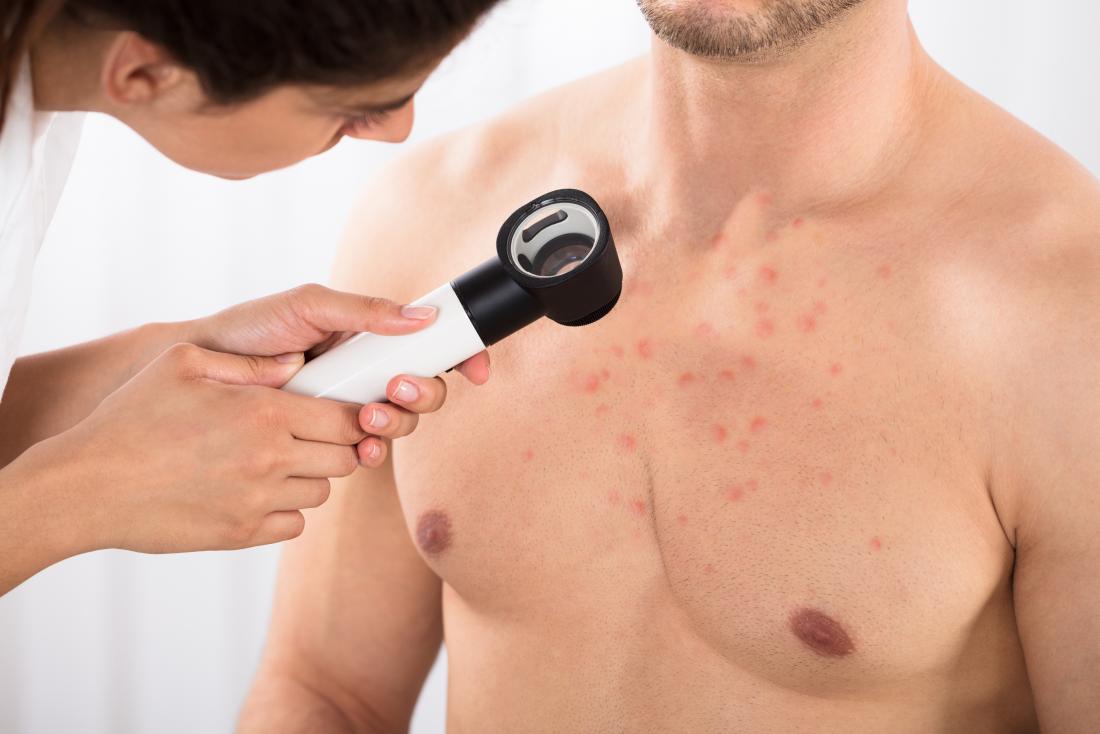
Acne on chest
Free Information,
Consultation and Appointment Request
 Call
Call
 Whatsapp