


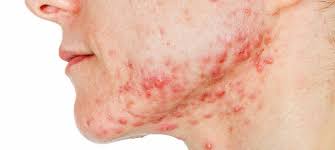

Why Do Penis Acne Occur?
1. Ingrown Hair
Ingrown hair may occur after shaving or waxing the hair in the genital area. The growth of hair under the skin can lead to inflammation and acne-like swellings.
2. Folliculitis
Folliculitis is the inflammation of the hair follicles and can also be seen in the genital area. Bacterial infections can enter the hair roots due to microscopic wounds in the skin and cause folliculitis.
3. Skin Irritation or Allergic Reactions
Synthetic fabrics, overly tight clothing or chemical products used (soaps, lotions, etc.) can irritate the genital area. This can cause acne-like redness and swelling. Allergic reactions are usually temporary but can be uncomfortable.
4. Infections
Bacterial or viral infections can cause swelling, redness and acne-like lesions in the penis area. Infections, especially herpes virus (genital herpes), can cause painful blisters and acne-like sores in the genital area.
5. Sexual Activity and Hygiene
Microscopic wounds on the skin during sex can allow bacteria to enter the skin. Lack of hygiene can lead to the proliferation of such infections. In addition, it is possible for microbes to spread in the genital area due to skin contact.
6. Hormonal Changes
Hormonal changes (especially during puberty) can cause more oil production in the body. This usually leads to acne. Likewise, excess oil production in the body can similarly cause acne in the genital area.
Penile Acne Treatment and Prevention Methods
1. Cleanliness and Hygiene:
It is important to wash the genital area gently. However, it is necessary to avoid using excessive soap and harsh cleaning products, as this can cause the skin to dry and irritate.
2. Avoid Tight Clothing:
Excessively tight underwear and pants can cause the skin in the genital area to become irritated and sweaty. Comfortable, cotton clothing should be preferred.
3. Choosing Skin Products:
To prevent skin irritation, products that are suitable for the genital area, fragrance-free and hypoallergenic should be used.
4. Conditions Requiring Treatment:
If acne becomes painful, inflamed or persistent, it is important to consult a dermatologist or urologist. Acne in the genital area can sometimes be a sign of infection or another health problem.
5. Protection:
Using protection methods during sexual intercourse can prevent the spread of skin infections.
When to See a Doctor?
If acne is painful, bleeding or continues to spread.
If blisters, sores or crusts form on the skin.
If acne in the genital area recurs or inflammation increases.
 Call
Call
 Whatsapp