


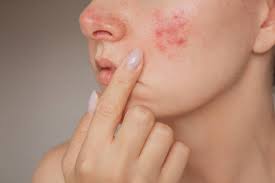

What is Acne Peeling Treatment?
Acne peeling treatment is an effective skin care method in the fight against acne (pimples) and acne scars. This treatment helps to open the pores on the skin and prevent the formation of acne caused by clogged pores by cleaning the dead cells on the skin surface. Acne peeling is an application that uses acidic compounds that accelerate the renewal of the skin. When used in the treatment of acne on the skin, it both prevents the formation of acne and reduces the appearance of existing acne scars.
How is Acne Peeling Applied?
Acne peeling treatment is usually performed by a dermatologist or aesthetician. During the application, a certain acidic solution is applied to the skin. The purpose of this solution is to start the renewal process in the skin by cleaning the dead cells and dirt on the skin. The skin is peeled under the effect of the acidic solution and the production of new cells under the skin is accelerated. Acne peeling can be applied at different depths depending on the skin type and acne type, and the procedure time is usually between 20-30 minutes.
Benefits of Acne Peeling Treatment
Acne peeling provides several important benefits in acne treatment. First, by cleaning the dead cells on the skin surface, pores are opened and blockages are prevented. This prevents the formation of new acne. In addition, it provides skin renewal by increasing collagen production under the skin and improves the appearance of acne scars. As a result of regular applications, the skin gains a smoother, healthier and more vibrant appearance.
Who is Suitable for?
Acne peeling treatment is especially suitable for people with oily skin and acne problems. In addition, those struggling with acne scars or blemishes can also benefit from this treatment method. However, this treatment is not recommended if there is extreme sensitivity, open wounds or infections on the skin. It is important to have a detailed skin analysis with a dermatologist before the treatment, because each skin type is different and the treatment plan should be determined accordingly.
Side Effects of Acne Peeling Treatment
Acne peeling is generally a safe treatment method, but some people may experience side effects such as mild redness, swelling or peeling of the skin. These side effects usually disappear within a few days after treatment. In case of deeper peeling or serious reactions on the skin, the treatment should be stopped immediately and a specialist should be contacted. In addition, since the skin may become sensitive after the peeling, sun exposure should be avoided and a high protection factor sunscreen should be used.
Post-Treatment Care
The skin may be sensitive for a few days after the acne peeling treatment. Therefore, post-treatment care is very important. Until the skin heals, excessive make-up should be avoided, the skin should be gently cleaned and regular moisturizer should be used. In addition, cold compresses can be applied to reduce skin sensitivity. Protection from sunlight is the most important step after treatment, as the skin becomes more sensitive after the peeling and sun exposure can cause the marks to darken.
Acne Peeling Treatment Results
The effects of acne peeling treatment may vary depending on the number of treatments and skin type. A slight improvement may be seen on the skin after the first treatment, but several sessions may be required for full results. After the treatment, the skin becomes smoother and healthier, acne scars are reduced and new acne formation is prevented. With regular applications, acne problems can be controlled over time.
In Conclusion
Acne peeling treatment offers an effective solution for those who want to get rid of acne and acne scars. This method, which renews the skin, also prevents acne formation and provides a healthy and clean skin appearance. However, a skin assessment with a specialist dermatologist before treatment helps determine the most appropriate treatment plan. With regular and correct applications, you can eliminate your acne problem and achieve smoother skin.
 Call
Call
 Whatsapp