


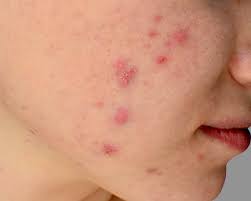

Acne Pits: The Results of Deep Inflammation
Acne pits are usually defined as deep scars that form on the skin after acne or pimples. Acne occurs as a result of the blockage of the skin's oil glands, and this blockage leads to inflammation over time. Severe acne can damage the connective tissue under the skin and leave pits or scars on the skin during the healing process. These pits can be of different sizes depending on the depth of the damage to the upper layer of the skin.
Acne pits are usually more common in areas of the body where the oil glands are dense, such as the face, back or chest. These pits are permanent scars that remain after acne has healed and can sometimes lead to psychological effects. Some people may experience a loss of self-confidence due to acne scars.
Types of Acne Pits
Acne pits can create different types of scars on the skin. There are two main types of acne scars:
Atrophic Pits:
Atrophic pits occur as a result of the loss of connective tissue under the skin. These types of scars are in the form of deep pits and usually take a distinct shape like a valley or around itself. Atrophic scars are caused by the skin not producing enough collagen during the body's healing process. For this reason, deep scars and pits are more noticeable.
Hypertrophic Pits:
These scars occur as a result of excess collagen production after acne. Hypertrophic scars appear as raised bumps on the surface of the skin. However, such scars usually disappear within a few weeks after the skin's healing process and do not last long.
Why Do Acne Pits Form?
Several factors are effective in the formation of acne pits. These can vary depending on poor collagen production during the skin's healing process, the severity of inflammation, and the depth of the blockage of the sebaceous glands.
Severe Pimples:
Severe inflammatory pimples damage the tissues under the skin. Since these pimples are usually deep and painful, they can leave permanent scars if left untreated. Deep pimples, especially cysts and nodules, cause the pits to become more noticeable.
Squeezing Acne:
Squeezing acne can cause inflammation to spread further and damage the tissue under the skin. Such behaviors increase the likelihood of acne scarring and can lead to the formation of pits.
Genetic Factors:
Every individual's skin is different. While some people may have the genetic ability to produce collagen, others produce less collagen. This genetic difference affects the skin's healing process and plays a role in the formation of acne pits.
Hormones:
Hormonal changes can increase oil production in the skin, causing more acne. Changes in hormone levels, especially during periods such as puberty, menstruation, and pregnancy, can cause acne scars to become more permanent.
Can Acne Pits Be Treated?
Acne pits can be treated, but this process requires patience and attention. There are many methods used to treat acne scars. Most of these methods focus on skin renewal and collagen production.
Chemical Peeling:
Chemical peeling allows you to peel off the upper layer of the skin and get down to the lower layers. This process removes dead skin cells and scars, and also stimulates collagen production. Chemical peels can be effective for mild to moderate acne pits.
Laser Treatment:
Laser treatments, such as fractional laser or CO2 laser, target acne scars to resurface the skin and increase collagen production. Laser treatment can help heal deep pits and reduce irregularities on the skin's surface. This treatment can significantly improve the appearance of scars.
Microneedling:
Microneedling stimulates collagen production by creating tiny wounds under the skin with tiny needles. This treatment can help heal scars and lighten acne pits.
Topical Creams:
Some topical creams can lighten acne scars by increasing collagen production in the skin. Creams containing retinol can help skin cells regenerate. In addition, ingredients such as niacinamide and vitamin C can improve skin texture.
What Can Be Done to Protect Yourself from Acne Pits?
It is possible to protect yourself from acne pits by taking precautions in advance. These precautions can reduce the severity of acne and prevent scarring.
Do Not Squeeze Pimples:
Squeezing pimples can cause further damage to the connective tissue under the skin. Avoiding this behavior can prevent scarring.
Gentle Skin Care:
It is important to perform skin care gently. Using products that will dry the skin excessively or are harsh can increase the likelihood of acne scarring. Protect your skin barrier by using gentle cleansers and moisturizers.
Treat Early:
Treating acne at an early stage can prevent scarring. Antibiotic creams or topical treatment products can be used to prevent severe inflammation.
Regular Dermatologist Checkups:
Regularly following up on your skin care routine with a dermatologist can prevent acne pits from forming. The specialist can determine the appropriate treatment methods for your skin type.
In Conclusion
Acne pits are permanent scars that occur as a result of severe acne and inflammation. However, with the right treatment methods, these scars can be significantly improved. It is possible to lighten acne pits with methods such as laser treatment, chemical peeling and microneedling. By taking care of your skin, you can prevent acne formation and protect yourself from pits.
 Call
Call
 Whatsapp