


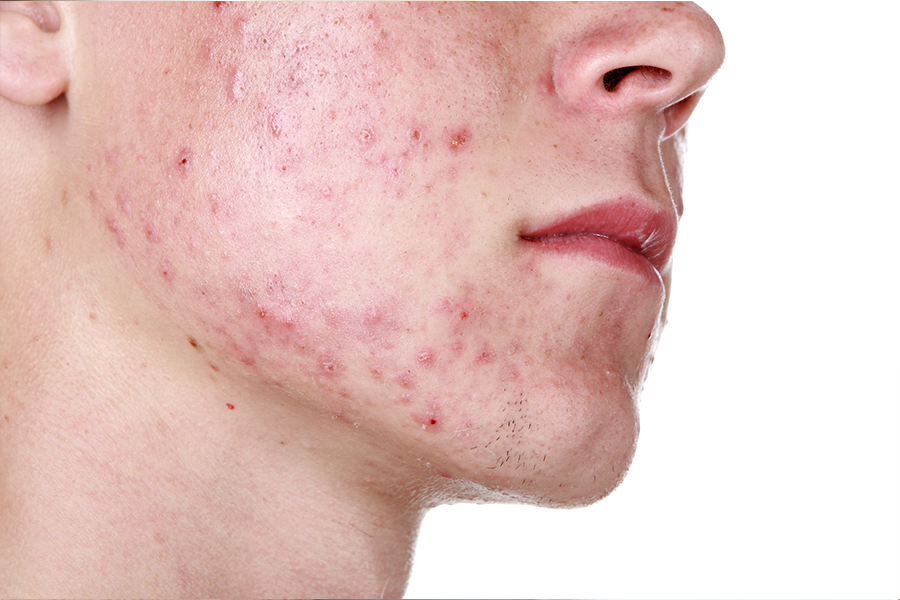

What is Acne Medication?
Acne medications are generally topical (applied externally) or oral (taken by mouth) treatment methods used in the treatment of acne on the skin. These medications have functions such as reducing inflammation in the skin, balancing excess oil production and killing bacteria. Acne medications are usually recommended by dermatologists according to skin type and severity of acne.
Types of Acne Medication
Acne medications can be classified into several different groups according to their effects. The most commonly used ones include topical treatment products (creams, gels, lotions) and oral treatment medications (antibiotics, retinoids). While topical medications are applied directly to acne, oral medications are used in more advanced cases and target problems under the skin.
Topical Acne Medication
Topical acne medications are products applied directly to the skin. Products containing benzoyl peroxide, salicylic acid and retinoids are included in this group. These medications help dry out acne, reduce inflammation, and clear pores. These products are often used to reduce the first signs of acne on the skin and are effective for mild to moderate acne.
Oral Acne Medication
Oral acne medications are taken orally and are generally preferred for severe acne cases. These include antibiotics, retinoid medications, and hormone treatments. Oral treatment can be effective for deep lesions such as cystic acne, especially those that do not provide adequate results with topical treatment. However, these medications should be used under the supervision of a doctor.
Benefits of Acne Medication
Acne medications are very beneficial when used correctly. Both topical and oral treatment options reduce inflammation in the skin, allowing acne to heal faster. In addition, these medications can prevent the formation of new acne and reduce redness on the skin. Depending on the treatment, the skin becomes clearer and healthier.
Side Effects of Acne Medication
Like any medication, acne medications can have side effects. Topical treatments can often cause dryness, redness, or a burning sensation on the skin. Oral medications can cause side effects such as nausea, headache, or dry skin. Therefore, it is important to follow up regularly when using acne medications and to contact your doctor about side effects.
Things to Consider When Using Acne Medication
Some important points should be considered when using acne medications. First of all, these medications should only be used with the advice of a dermatologist. In addition, it is necessary to protect from sunlight during the treatment period, not to overuse the medication, and not to neglect skin care. Regular checks should be made when starting or changing treatment, and changes in the skin should be monitored.
Tips for Effective Acne Medication
It is important to follow some basic rules for acne medications to be effective. Regular use, being patient, and paying attention to skin cleansing before starting treatment accelerates the treatment process. In addition, using moisturizers suitable for your skin type minimizes the side effects of the medications. Regular use of medications will help you achieve healthier and cleaner skin.
 Call
Call
 Whatsapp