


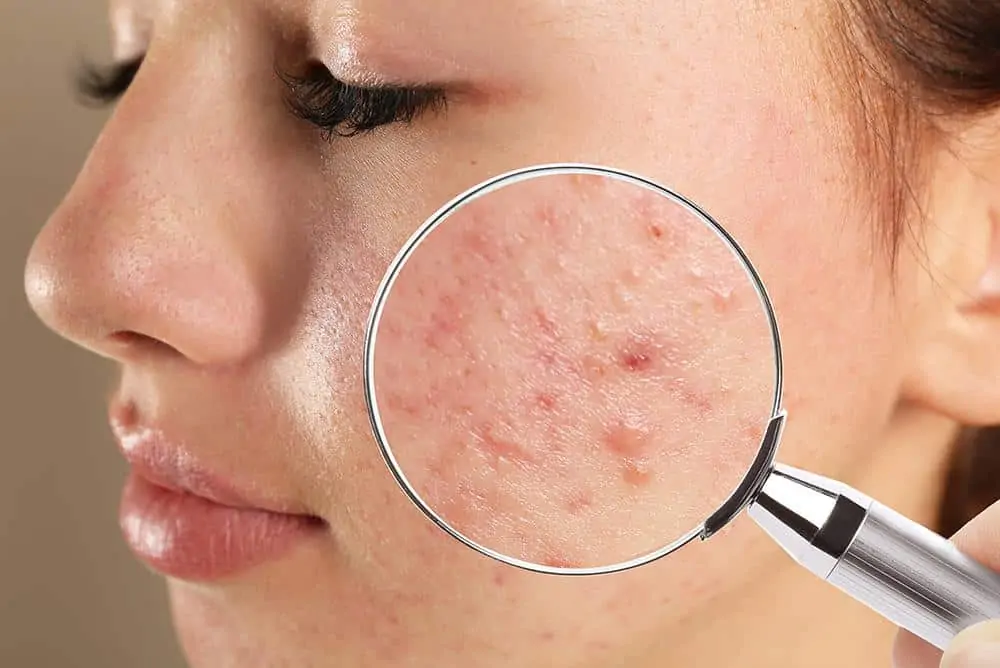

What is Acne Scar and How Does It Go Away?
Acne scars are a common skin problem that many people with acne problems encounter. Especially severe or inflammatory acne can leave various marks on the skin after healing. These scars can be aesthetically disturbing and affect the person's self-confidence.
What is Acne Scar?
Acne scars are lesions that usually appear permanently on the skin after severe or inflammatory acne has healed. Pimples that damage the deep layers of the skin can affect collagen production during the healing process. This can leave marks on the skin surface in the form of pits, bulges or color changes.
Atrophic Scars (Deep Scars): They are pit-shaped scars that remain under the skin surface. They usually occur due to collagen loss.
Boxcar Scars: They are seen as sharp-edged and wide pits.
Ice Pick Scars: They are deep and narrow scars, usually appearing as if they have been punctured with a needle.
Rolling Scars: Wide, irregular pits that create a wavy appearance on the skin.
Hypertrophic Scars (Raised Scars): These are scars that appear raised on the skin surface. They usually occur as a result of excessive collagen production.
Hyperpigmentation (Discoloration): These are scars that appear as red, purple or brown spots on the skin after acne has healed. They can be more visible, especially in people with dark skin.
Why Do Acne Scars Form?
Many different factors can play a role in the formation of acne scars. The most common causes are:
Inflamed Pimples: Severe or inflamed pimples can damage the deep layers of the skin and cause scarring.
Squeezing or Popping Pimples: Squeezing pimples increases the risk of scarring by damaging the skin tissue.
Genetic Predisposition: Scarring is more common in people with a family history of acne scarring.
Untreated Acne: When not treated properly, pimples continue for a long time and the likelihood of scarring increases.
How Do Acne Scars Get Rid of?
It may be difficult to completely remove acne scars, but it is possible to significantly reduce the appearance of scars with various treatment methods. The treatment method may vary depending on the type of scars and skin type.
Chemical Peeling:
The upper layer of the skin is peeled using chemical substances such as alpha hydroxy acids (AHA), beta hydroxy acids (BHA) and trichloroacetic acid (TCA). This process encourages the formation of new and healthier skin cells. It can be especially effective on superficial scars.
Microneedling (Dermaroller/Dermapen):
It is a treatment method that aims to increase collagen production by opening small holes in the skin. It can be effective in reducing the appearance of hollow and raised scars.
Laser Treatment:
It is an effective method that encourages skin regeneration and reduces the appearance of scars. There are different types such as fractional laser and CO2 laser. It is usually preferred for deep scars.
Filler Injections:
To temporarily correct the appearance of atrophic (sunken) scars, fillers containing hyaluronic acid or collagen can be injected.
PRP (Platelet Rich Plasma) Treatment:
It is a method applied by injecting plasma obtained from the person's own blood into the skin. It can help lighten the appearance of scars by increasing collagen production.
Retinoids:
Topical retinoid creams can help reduce the appearance of scars by accelerating skin renewal. It can be especially effective on hyperpigmentation.
Drug Treatment:
Creams or oral medications recommended by your doctor can be especially effective on discoloration and superficial scars.
What Should Be Done to Prevent Acne Scars?
It is easier to prevent acne scars than to treat them. Therefore, it is important to apply the right skin care routine and treat acne correctly.
Avoid Squeezing Pimples: Squeezing or popping pimples can cause further damage to the skin and leave scars.
Use the Right Products: Use non-comedogenic (non-pore-clogging) products suitable for your skin type.
Use Sunscreen: Sun rays can cause scars to become more visible. Using a sunscreen with at least SPF 30 daily can help lighten the appearance of scars.
Consult a Dermatologist: In cases of severe acne in particular, follow the treatment methods recommended by your dermatologist.
Conclusion
Acne scars can be lightened and even completely removed with the right treatment methods. Applying the treatment plan recommended by your dermatologist according to the type and severity of the scars on your skin will provide the most effective results. It is possible to prevent scar formation with early intervention and proper care.
 Call
Call
 Whatsapp