



Why Do Acne Scars and Blemishes Occur?
Acne scars and blemishes can leave marks on the skin even if acne is treated. These scars are usually seen in two forms: hyperpigmentation (brown spots) and atrophic scars (pitting). Hyperpigmentation is the color changes that occur on the skin after inflammatory acne. Atrophic scars, on the other hand, leave depressions or scars on the skin as a result of severe acne. Factors such as genetic predisposition, incorrect treatment and squeezing acne can cause these scars to become permanent.
How Are Acne Scars and Blemishes Treated?
Acne scars and blemishes can be treated, but they must be done with the right methods. Since each skin type and blemish are different, help should be sought from a specialist dermatologist before starting treatment. The most commonly used methods in the treatment of acne blemishes include chemical peeling, mesotherapy, laser treatments and PRP (Platelet Rich Plasma). These methods help renew the skin and lighten the appearance of blemishes.
Acne Spot Treatment with Chemical Peeling
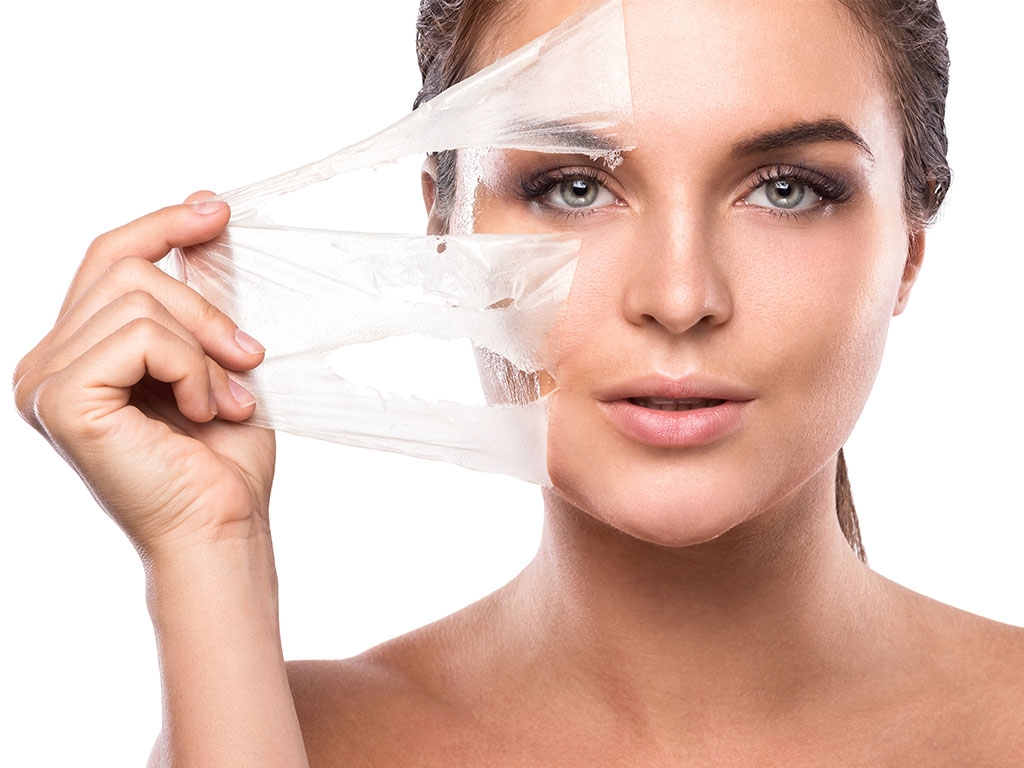
Chemical peeling triggers the formation of a healthier skin texture by peeling the upper layer of the skin. This process is a very effective method especially for superficial spots and thin scars. Thanks to chemical peeling, dead cells on the skin are cleaned and new cell production is accelerated.
Removal of Stains and Scars with Laser Treatments
Laser treatments offer effective solutions on acne scars and stains. Methods such as fractional laser stimulate the lower layers of the skin and increase collagen production. In this way, both scars and stains are healed. Laser treatment is an ideal method for deep scars and stubborn stains and the results are usually permanent.
Skin Renewal and Stain Removal with Mesotherapy
Mesotherapy accelerates the skin renewal process by injecting vitamins, minerals and acidic contents under the skin. This method lightens the appearance of spots and scars, evens out skin tone and improves the overall health of the skin. Mesotherapy treatment is especially effective for shallow scars and stains.
Skin Rejuvenation with PRP Treatment
PRP treatment is an application made under the skin with plasma obtained from the person's own blood. PRP helps repair skin damage and reduces the appearance of scars by increasing collagen production. This treatment offers an effective solution especially for pits and deep scars on the skin.
Do Home Care Support the Treatment Process?
Home care can be complementary to acne scar treatment. Anti-blemish creams and serums can reduce skin color inequalities. However, professional treatment methods should be used for deep scars and permanent stains. It is important to make sure that the products used in home care are suitable for your skin type.
What to Consider After Treatment?
The skin may become sensitive after acne scar treatment, so it is very important to protect from the sun during the treatment process. Exposure to the sun can cause the scars to darken or the treatment process to take longer. In addition, the skin should be moisturized and care should be done regularly. Before starting the treatment, getting information about the whole process from your specialist will help you achieve the best results.
 Call
Call
 Whatsapp