


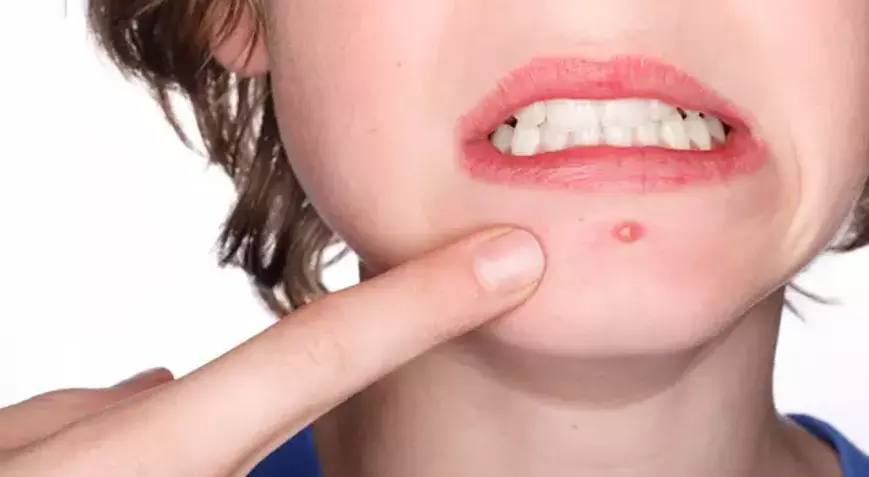

Causes of Acne Scars on the Skin
Acne scars are spots left after acne formation on the skin. These scars are formed as a result of the loss or deterioration of the skin tissue while the acne is healing. Inflamed and deep acne in particular increases the possibility of leaving scars. The type of acne scars on the skin can be red, purple, hollow or brown. Deteriorations in the skin structure can turn into permanent scars over time.
Methods Applied in Acne Scar Treatment
There are various methods to treat acne scars on the skin. First, it is a common approach to start with topical treatments. These include creams containing retinoids, products with acidic ingredients such as AHA and BHA. These substances help the skin renew and improve the appearance of the scars over time. In addition, some creams used for acne scars support the repair of skin damage by increasing collagen production.
Deep Healing with Laser Treatment
Laser applications offer a very effective option in the treatment of acne scars. Laser peels the upper layers of the skin in a controlled manner, revealing the healthy skin underneath. In addition, laser beams stimulate collagen production under the skin, helping scars heal faster. Laser treatment is especially successful for deep acne scars. However, this type of treatment may require several sessions and should be performed by a specialist dermatologist.
Rejuvenating Effect with Chemical Peeling
Chemical peeling peels the upper layer of the skin with chemical substances, allowing fresher and healthier skin cells to emerge. This process is effective for reducing skin discoloration and scars. This method can be preferred especially for acne scars seen in the facial area. The skin may become a little sensitive after peeling, so it is important to protect it from the sun.
Reducing Scars with Microneedling (Dermaroller)
Microneedling is another effective method for treating scars on the skin. With a special device called a Dermaroller, many small holes are opened on the skin surface with micro needles. This process encourages the skin to renew itself and makes the scars look lighter over time. Microneedling sessions can significantly reduce scars on the skin. However, care recommendations should be taken as the skin may become sensitive after the procedure.
Filling Hollow Scars with Filler Treatment
Hollow acne scars are deep cavities that occur as a result of collagen loss in the skin. Filler treatment can be applied for such scars. Fillers are injected into the areas where the scars are and smooth the skin surface. Filler made with substances such as hyaluronic acid quickly improves the appearance of deep scars on the skin. However, this treatment may lose its effect over time and may need to be repeated regularly.
Natural Methods for Acne Scar Treatment
Some natural methods can help lighten acne scars. For example, aloe vera gel is known to accelerate skin healing and regulate skin tone. Likewise, natural products such as honey, vitamin E and lemon juice can also support skin regeneration. However, natural treatments usually require patience and it may take time for the scars to disappear completely.
The Importance of Getting Expert Help
Choosing the right methods for acne scar treatment is very important. Every skin type is different and some treatments can damage your skin. Therefore, it is very important to consult a dermatologist before starting the treatment to determine the most appropriate treatment plan. A specialist dermatologist will analyze your skin type and recommend the most appropriate treatment methods for you.
 Call
Call
 Whatsapp