


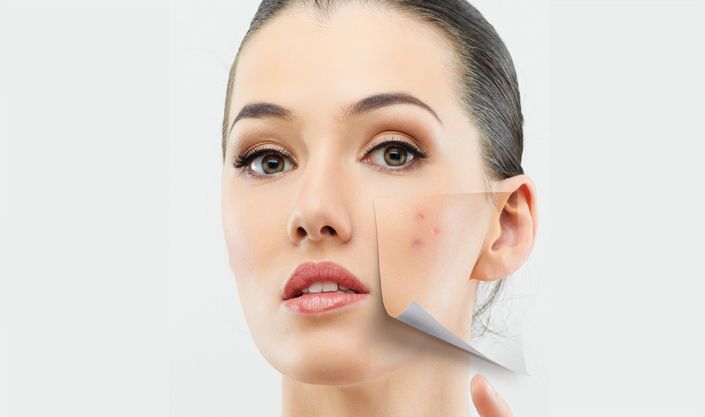

Peeling in Acne Scar Treatment
Acne scars are a problem that can leave permanent marks on the skin over time. These marks are formed during the healing process of the skin after damage to the skin surface. One of the effective methods used in the treatment of acne scars is peeling. Peeling helps to achieve a renewed skin appearance by cleansing the dead cells on the skin surface. This treatment is especially effective in removing acne scars.
What is Peeling and How Does It Work?
Peeling is a practice performed to cleanse the dead cells and dirt on the skin surface. It can be performed with chemical or mechanical methods. Chemical peeling melts the dead cells on the skin and ensures the renewal of the skin. Mechanical peeling, on the other hand, cleans the dead cells with massages or devices applied to the skin surface.
Chemical peeling is usually done with substances such as alpha hydroxy acids (AHA), beta hydroxy acids (BHA) or trichloroacetic acid (TCA). These substances help to peel the dead cells on the skin surface, allowing the healthy cells under the skin to emerge.
Effect on Acne Scars
Peeling can be an effective method for treating acne scars. Most acne scars on the skin can remain in the form of deep scars or discolorations. Peeling can help reduce these scars because it allows new, healthy skin cells to emerge by peeling the upper layer of the skin. In addition, peeling is expected to help the skin heal faster by increasing blood circulation in the skin.
Chemical peeling is especially effective for dark acne scars (hyperpigmentation). It also removes roughness in the skin and helps to achieve a smoother skin surface.
Peeling Application and Post-Process
The peeling process is usually performed by a dermatologist or skin care specialist. Before the application, the skin is cleaned and the appropriate peeling solution is selected. In the chemical peeling process, acids are applied to the skin and waited for a while. During this time, the dead cells on the skin surface begin to peel. In mechanical peeling, dead cells are cleaned with scrubs or devices applied to the skin surface.
After peeling, the skin may be sensitive, so care should be taken not to go out in the sun. It is also important to take care of your skin and use a moisturizer.
Benefits and Risks of Chemical Peeling
Chemical peeling has many benefits. First of all, it can reduce acne scars, improve skin tone and lighten the appearance of fine lines on the skin. It also makes the skin look brighter and healthier.
However, chemical peeling can also have some risks. In particular, incorrect application or excessive use of acid can cause burns or pigment changes on the skin. Therefore, it is very important that the peeling is done by experts.
In conclusion
Peeling can be an effective option for treating acne scars. However, each skin type is different and peeling may not provide the same results for every individual. It is important to consult a dermatologist before application and choose the appropriate treatment method to get the best results.
 Call
Call
 Whatsapp