


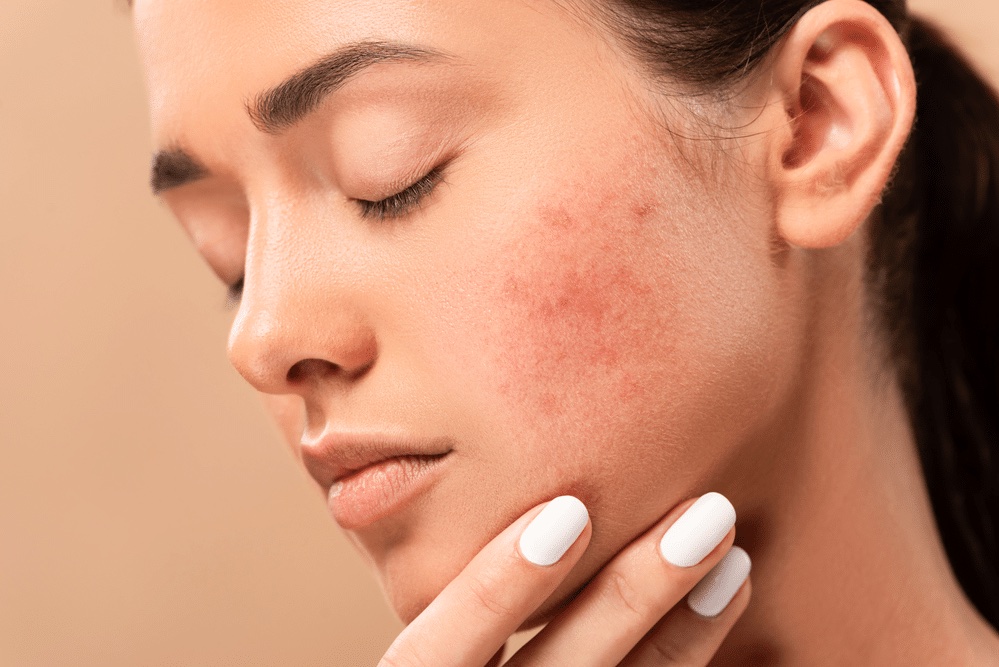

What are Acne Scars and Pits?
Acne scars and pits are permanent marks left after acne is treated. These marks are formed due to damage to the skin at the beginning of acne and the disruption of collagen production in the skin during the healing process. Deep and inflamed acne in particular can leave permanent marks and pits on the skin. These pits are the result of connective tissue damage located under the skin surface.
Causes of Acne Scars and Pits
The formation of acne scars and pits depends on several factors. Inflamed acne goes down to the lower layers of the skin and collagen loss occurs in this area during the healing process. While the skin tries to compensate for this loss, some areas become pitted, while some areas may experience crusting or discoloration (dark spots). In addition, squeezing acne or scratching the scars can negatively affect the healing process and cause the scars to become permanent.
Pit Acne Scars and Treatment Methods
Pit scars are usually caused by tissue loss in the skin. Damage occurs in the lower layers of the skin and this area becomes hollow from the skin surface. Hollow scars are usually deeper and permanent scars. The most effective methods for treating these types of scars include laser treatment, dermaroller (micro-needling) and chemical peeling. These treatment methods encourage tissue regeneration in the skin, increase collagen production and improve the appearance of the scars.
Treatment Options for Removing Acne Scars
There are many options for treating acne scars. The treatment methods used vary depending on the depth and type of acne scars. Topical creams and serums may usually be sufficient for superficial scars. However, more invasive treatments such as laser treatment, fractional laser or dermapen may be required for deep hollow scars. Laser treatment targets the damage under the skin and allows the formation of new, healthy skin cells. Dermaroller or dermapen treatment increases collagen production in the skin with the micro-needling method.
Natural Methods That Can Be Applied at Home
Some people also resort to natural methods in their skin care routine. For example, natural ingredients such as aloe vera, honey, and lemon support skin healing and can lighten the appearance of scars. However, natural methods are generally more limited in healing acne scars and may not be sufficient on their own for severe scars. Therefore, seeking professional treatment methods often provides more effective results.
In Conclusion
Acne scars and pits are permanent marks that usually occur due to tissue damage in the skin. Treatment options vary depending on the depth and type of scars. While topical treatments may be sufficient for superficial scars, more advanced treatment options such as laser treatment, dermapen, and chemical peels may be required for deep pits. A professional dermatologist can help reduce the appearance of acne scars by recommending the most appropriate treatment plan for your individual skin type and scars.
 Call
Call
 Whatsapp