


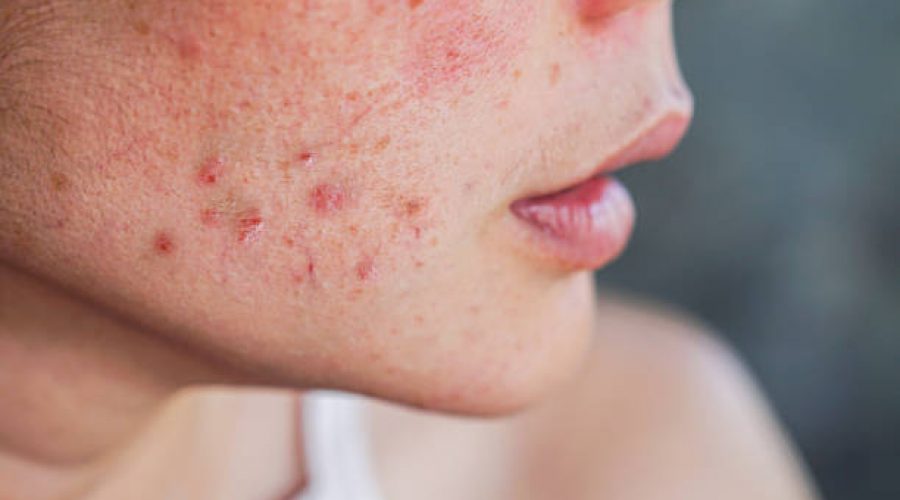

Acne Scar Formation and Prevention
Acne scars are caused by damage to infected and inflamed areas of the skin. Acne is blocked and infected as a result of excessive activity of the oil glands in the skin. This leads to redness, inflammation and sometimes permanent scars on the skin surface. In order to prevent acne scar formation on the skin, it is important to be careful not to squeeze acne. Because this can cause more inflammation and cause the scars to become permanent. In addition, you can keep your skin healthy by taking care of regular cleaning and skin care.
Treatment Methods Suitable for Skin Type
Each skin type is different and treatment methods also vary according to skin type. For example, people with dry skin should prefer treatment products with moisturizing properties. For oily skin, products that balance sebum production and do not clog pores will be more suitable. Determining your skin type and using products suitable for it is an important step in the treatment of acne scars. Dermatologists can help you find the most effective solution by offering treatment recommendations according to your skin type.
Topical Creams and Treatment Options
Topical creams are usually recommended for the treatment of acne scars. These creams contain ingredients that have skin-renewing and repairing properties. For example, creams containing retinoids will peel off the upper layer of the skin and help new cells form. In addition, creams containing vitamin C can be effective in lightening acne scars. Dermatologists can help speed up the treatment process by recommending appropriate treatment methods according to the type of acne scars and skin structure.
Laser Treatment and Other Advanced Methods
Advanced treatment methods such as laser treatment can be preferred for deeper acne scars. Laser treatment prevents acne scars from becoming more visible by removing the roughness on the skin surface. At the same time, it provides renewal in the lower layers of the skin and accelerates tissue healing. Methods such as chemical peeling and microdermabrasion can also help remove dead skin cells and form new cells. Such treatments are usually performed by dermatologists and provide faster results.
Natural Methods Applied at Home
There are also natural treatment methods that can be applied at home. For example, aloe vera gel can reduce inflammation in the skin and help heal acne scars. Honey has antibacterial properties and can help lighten scars on the skin. However, the effects of these natural methods may be longer lasting and may provide better results when supported by professional treatments.
In Conclusion
The most important step in treating acne scars is finding the right treatment method. Dermatologists recommend the most appropriate treatment options according to your personal skin type and the condition of your scars. Regular care and patience will help the scars on the skin heal over time. Don't neglect your skin care routine and get the fastest and most effective results by getting professional help when necessary.
 Call
Call
 Whatsapp