



Why Do Acne Spots Occur?
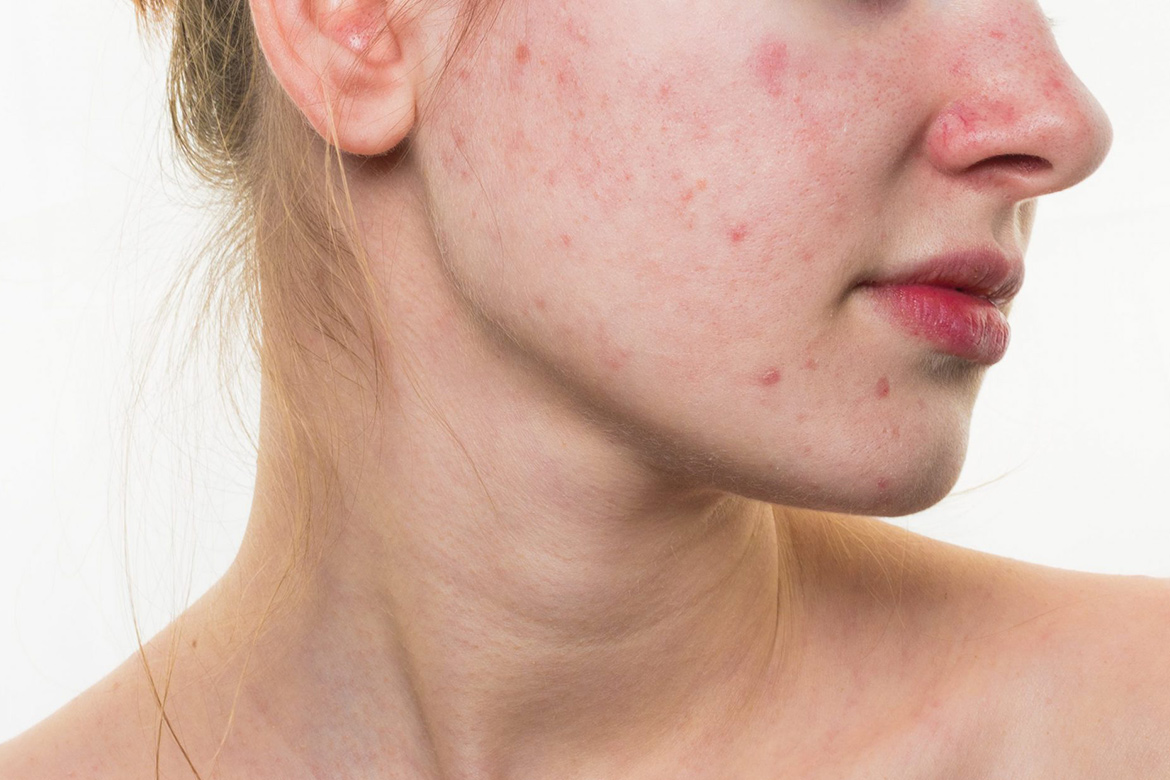
Acne is a skin problem caused by pimples that occur as a result of the blockage of the skin's oil glands. These pimples are usually seen in areas such as the face, back and shoulders. Acne spots are the marks left on the skin after acne heals. Pimples cause damage due to inflammation in the skin and can cause color changes in the skin during this healing process. These changes can manifest themselves as red, brown or white spots on the skin. The skin cannot always heal these spots quickly, which can lead to permanent scars.
Types of Acne Spots
Acne spots can be of two main types: pigment changes and tissue loss.
Pigment Changes: One of the most common types, pigment changes, causes the skin to form dark spots (post-inflammatory hyperpigmentation) or white spots (hypopigmentation). These spots are usually caused by changes in the skin's melanin production after acne heals.
Tissue Loss: Severe acne can cause tissue loss under the skin, which manifests itself as deep pits or scars. These types of scars can be permanent after the acne has healed.
Treatment Methods for Removing Acne Spots
Treatment for acne spots varies depending on skin type and type of spots. These spots may heal over time, but some treatment methods can speed up this process.
1. Using Sunscreen
The sun can cause acne spots to darken. During acne treatment, it is very important to avoid sun exposure or to use a high factor sunscreen to prevent darkening of spots on the skin. SPF 30 and above protective products prevent spots on the skin from getting worse.
2. Chemical Peeling
Chemical peeling is a treatment method that peels the upper layer of the skin, allowing new and healthy cells to emerge. This process helps to remove dead cells from the skin and allows spots to heal faster. Chemical peeling can be especially effective on dark spots. However, it is recommended that it be done by a dermatologist.
3. Laser Treatment
Laser treatment targets pigmentation problems in the skin. Lasers can break down melanin deposits in the skin, lighten the color of spots and help even out skin tone. In addition, laser treatment increases collagen production in the skin, contributing to the healing of scars caused by tissue loss.
4. Retinoid Creams
Retinoid-containing creams are effective in the treatment of acne spots by accelerating the renewal of skin cells. These creams can reduce pigment problems in the skin and encourage the formation of new skin cells. However, retinoid creams can sometimes make the skin sensitive, so they should be used with expert advice.
5. Skin Care and Moisturizing
Regular skin care is very important during acne treatment. The skin should be cleaned and moisturized regularly. Using a moisturizer accelerates the healing process of the skin and prevents inflammation that may occur due to dry skin. In addition, cleansers suitable for the skin type should be used.
Reduce Acne Spots with Natural Methods
Some natural products can help treat acne spots. Natural ingredients such as aloe vera, honey, and lemon juice can soothe inflammation on the skin and lighten the color of spots. However, these natural methods may not work as quickly as chemical treatments and can cause irritation on some skin types. Therefore, it may be useful to test natural products on a small area before using them.
Tips for Preventing Acne Spots
Preventing the formation of acne spots is an important part of acne treatment. Here are some suggestions that can help prevent these spots:
Avoid Squeezing Acne: Squeezing pimples can cause inflammation to spread and accelerate the formation of spots.
Do Regular Skin Care: The skin should be cleaned and moisturized regularly. You can also prevent pores from clogging by using products suitable for your skin type.
Protect from the Sun: Avoiding sun exposure during acne treatment can help prevent spots. Using sunscreen with SPF 30 and above is important for your skin health.
In Conclusion...
Acne spots are a treatable skin problem. With the right treatment methods, it is possible to reduce the appearance of these spots and even out skin tone. Chemical peeling, laser treatment, retinoid creams and natural methods are effective options in combating these spots. However, being patient during the treatment process and getting support from a specialist dermatologist will allow you to achieve successful results. You can minimize the appearance of acne spots by taking care of your skin health.
 Call
Call
 Whatsapp