


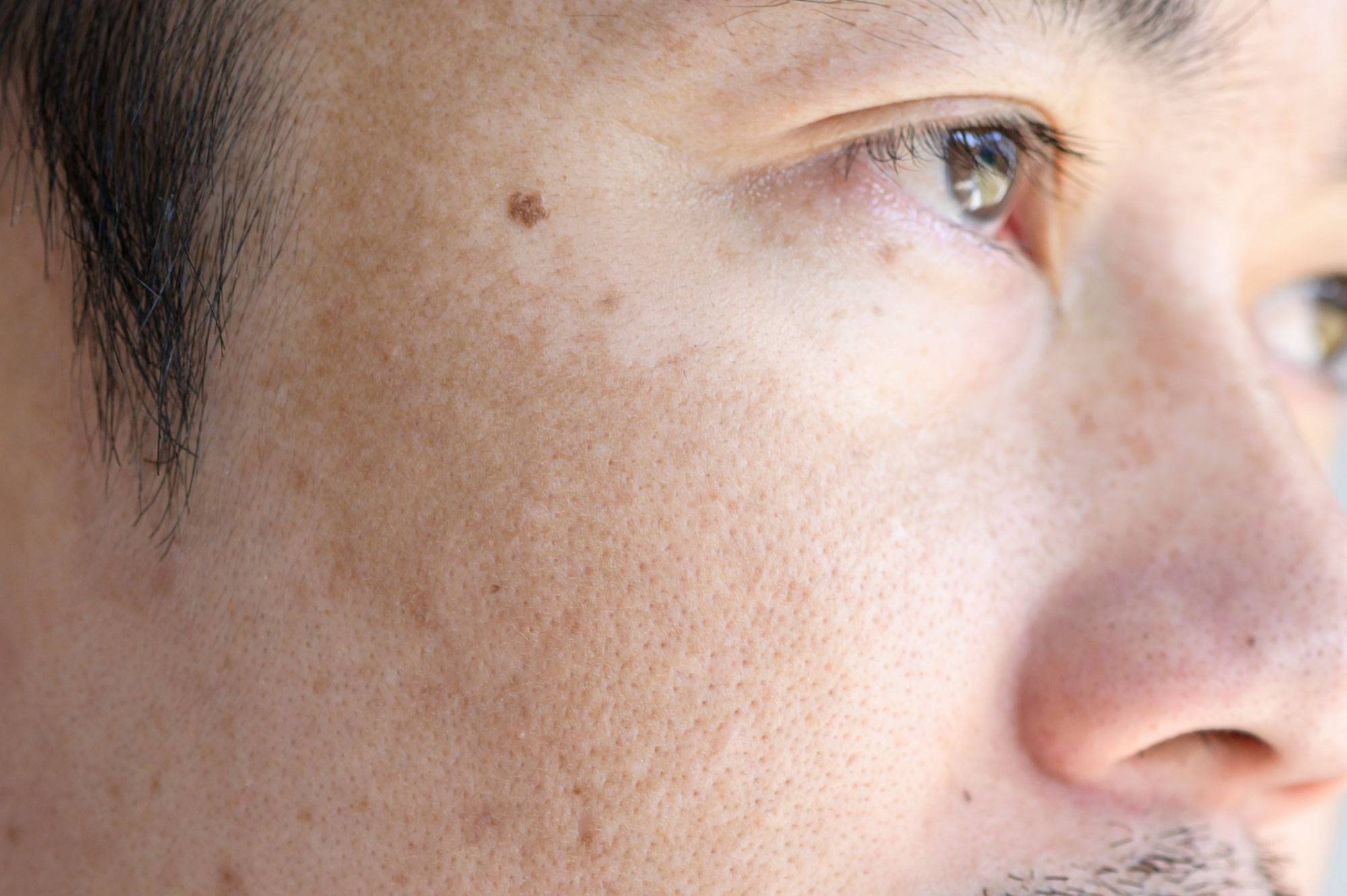

Why is Acne Spot Treatment Necessary?
Acne occurs as a result of the blockage of the oil glands under the skin and usually occurs on the face, back and shoulders. The scars left after acne is treated can usually be red, purple or brown and can be seen at different depths depending on the surface of the skin. Acne scars are especially important to treat because they can leave permanent stains on the skin. These stains can affect the aesthetic appearance of the person and cause self-confidence problems. Therefore, treating acne spots is an important step in terms of skin health.
Treatment Methods for Acne Spots
There are many different methods for the treatment of acne spots. These methods may vary depending on the depth, type of the stain and the general health of the skin. Acne scars usually appear in three main types: hyperpigmentation (dark spots), hypopigmentation (white marks) and tissue loss (pitted scars). Different treatment approaches are applied for each type.
Acne Spot Treatment with Chemical Peeling
Chemical peeling is an effective method for lightening the appearance of acne scars. In this process, the upper layer of the skin is peeled off with special acidic solutions. In this way, the skin is renewed, dead cells are removed and a healthier skin surface emerges on the lower layer. Chemical peeling can especially help lighten brown spots on the skin. However, this treatment should be performed by experts.
Reducing Acne Spots with Laser Treatment
Laser treatment is a very popular method for treating acne spots. Fractional laser targets pigment deposits by affecting the lower layers of the skin. This treatment is especially effective against dark spots and scars that cause tissue loss. The aim of laser treatment is to accelerate the healing of the skin and achieve a smoother surface. This treatment can take several sessions and a break may be required between each session.
Skin Rejuvenation with PRP (Platelet Rich Plasma) Treatment
PRP treatment is a method frequently used in the treatment of acne scars in recent years. PRP is the injection of plasma content obtained from the person's own blood and enriched into the skin. This plasma encourages the renewal of skin cells and reduces the appearance of acne scars. PRP treatment helps repair skin damage and gives the skin a healthier appearance.
Home-Applied Stain Treatment Products
There are also some products that can be applied at home in the treatment of acne scars. Creams containing vitamin C, retinol and niacinamide in particular can help reduce skin blemishes. While vitamin C accelerates the skin's natural renewal process, retinol and niacinamide regulate pigmentation in the skin and lighten the color of the blemishes. Regular use of these products plays an important role in blemish treatment.
Patience and Regular Care for Acne Blemish Treatment
Treatment of acne scars can take time. It is important to be patient in blemish treatment because the skin becomes smoother and more even-toned over time during the healing process. Regular skin care can speed up the treatment process. Using sunscreen also prevents acne scars from becoming more visible. In addition, it is necessary to pay attention to skin cleansing to prevent the formation of new spots on the skin.
In Conclusion
Acne spots can leave permanent effects on the skin, but these spots can be lightened with the right treatment methods. The appearance of acne scars can be reduced with methods such as chemical peeling, laser treatment, PRP. Home products also play an important role in the treatment process. It is possible to get rid of acne spots with regular care and the right treatment. In order to get the best results, it is recommended to get professional support from a dermatologist and follow the treatment process with an expert.
 Call
Call
 Whatsapp