


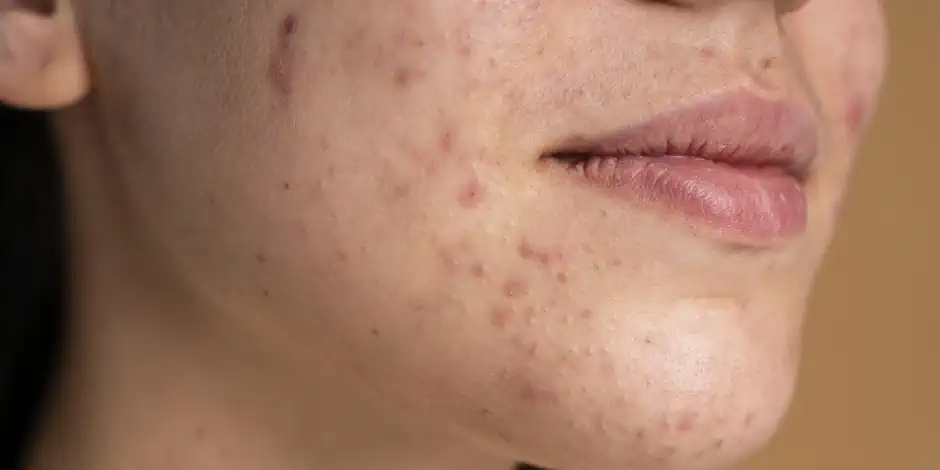

Why Do Acne Spots Form?
Acne spots are the marks left after acne and acne heal. Acne usually occurs in areas such as the face, back and shoulders and is caused by inflammation in the skin, clogged pores and excess oil production. After acne heals and dries, some people may remain with red, brown or white spots. These spots are caused by pigment changes experienced by the body during the healing process.
Types of Acne Spots
Acne spots can be of different types. These vary depending on the treatment process and the way the skin heals:
Dark Spots: These spots usually appear as inflammatory acne heals. Dark spots are known as "post-inflammatory hyperpigmentation" and are brown or black discoloration that remains on the skin after acne heals.
White Spots: Some acne can lead to permanent pigment loss in the skin, which can cause white spots. This is due to the decrease in melanin production during the skin's healing process.
Pit Scars (Atrophic Scars): These types of spots are formed as deep pits as a result of severe acne scars. Due to tissue loss under the skin, pits or scars occur on the surface.
Methods Applied to Remove Acne Spots
Treatment of acne spots varies depending on both skin type and the type of spot. There are various methods to reduce the appearance of spots and improve pigment changes in the skin:
1. Chemical Peeling
Chemical peeling is a treatment method that helps peel the upper layer of the skin. This process supports the emergence of new and healthy cells in the skin by removing dead skin cells. Chemical peeling can be especially effective on dark spots and pigment problems. This treatment should be applied by dermatologists.
2. Laser Treatment
Laser treatment is a method that corrects pigment problems by affecting the lower layers of the skin. Lasers can lighten the color of dark spots on the skin and help equalize skin tone. Laser treatment also helps skin regeneration and increases collagen production, thus reducing the appearance of acne scars.
3. Topical Products and Creams
Topical treatment products target pigment changes in the skin. Products such as vitamin C serum, creams containing retinoids, and hydroquinone can lighten dark spots on the skin. In addition, these creams can accelerate skin renewal and help acne spots disappear more quickly. However, these products may not be suitable for every skin type, so they should be used with the advice of a dermatologist.
4. Sun Protection
Sun exposure can cause acne spots to darken. Therefore, the skin should be protected from the sun during acne treatment. Using sunscreen with SPF 30 and above prevents existing spots from getting worse. Sun protection is an essential part of skin care.
5. Natural Methods
Some people may prefer natural methods. Natural products such as aloe vera, honey, and lemon juice can soothe inflammation in the skin and help balance pigment production. However, these methods usually take longer to work and can cause irritation in some skin types. It is recommended to do a small test on the skin before using any natural product.
Precautions to Prevent Acne Spots
Preventing the formation of acne spots is one of the most important steps in acne treatment. Paying attention to skin care and eliminating factors that can cause acne can prevent spots:
Keeping the Skin Clean: The skin should be cleaned regularly and free of excess oil. Only products suitable for your skin type should be used.
Avoiding Frequent Makeup: Makeup prevents the skin from breathing and can cause pores to become clogged. When applying makeup, water-based and non-comedogenic products should be preferred.
Proper Nutrition and Water Consumption: Drinking enough water and a balanced diet improves skin health. Especially foods containing antioxidants support skin renewal.
Avoid Frequent Touching: Unnecessarily touching the skin or squeezing pimples increases the risk of infection and can cause more spots. Avoid touching your skin frequently with your hands.
In Conclusion...
Acne spots are one of the biggest problems during acne treatment. However, with the right treatment methods and regular care, the appearance of these spots can be significantly reduced. Chemical peeling, laser treatment, topical products and sun protection are effective options in the treatment of acne spots. At the same time, correct skin care and healthy living habits should be adopted to prevent acne formation. Acne spots can be treated, but successful results can be achieved with patience and the right methods.
 Call
Call
 Whatsapp