


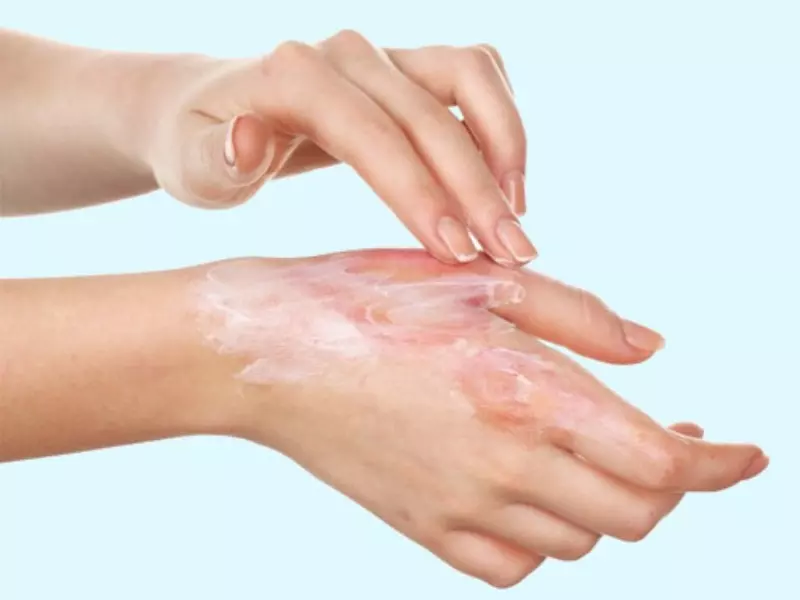

Skin pigmentation consists of colour changes or darkened areas that develop on different parts of the skin. It may be associated with ultraviolet exposure, ageing, hormonal changes and genetic susceptibility. Skin pigmentation treatment aims to reduce the appearance of these spots and support a more balanced-looking skin tone. Complete removal may not be possible in every case.
A reduction in visible pigmentation may support satisfaction with skin appearance for some people. Spots may cause aesthetic concern or discomfort for certain individuals. The treatment response and personal satisfaction vary according to skin structure and expectations.
Many different treatment methods are available and may be considered for different skin types and pigmentation concerns. Selecting an appropriate method depends on skin type, natural skin tone, the type and depth of the pigmentation and medical history. Assessment by a dermatologist or qualified healthcare professional is therefore important before treatment.
Importance of Skin Pigmentation Treatment
The importance of skin pigmentation treatment is not limited to aesthetic appearance. Newly developed spots and those that change in shape or colour or display irregular characteristics may require dermatological assessment. However, not every skin spot damages deeper skin layers or leads to a serious health condition.
Reducing the appearance of pigmentation may help some people feel more comfortable. However, treatment cannot be guaranteed to improve psychological well-being, social life or professional relationships. These effects vary according to personal expectations and experiences.
Skin pigmentation treatment may reduce the appearance of colour differences and certain superficial texture irregularities and help the skin appear more balanced. However, these procedures should not be expected to slow the natural ageing process or guarantee a youthful appearance for an extended period.
Skin Pigmentation Treatment Methods
The methods used vary according to the type of pigmentation, skin type and individual needs. Commonly considered pigmentation treatments include:
-
Chemical Peeling: Chemical peeling creates controlled exfoliation of the upper skin layer and may help reduce the appearance of certain superficial spots. It may be considered according to individual skin structure for selected sunspots and age-related colour changes.
-
Laser Treatment: This method, which is also used in Ankara Lazer procedures, aims to target areas of concentrated pigment using laser energy at specific wavelengths. The time required to notice a change and the degree of response vary according to the pigmentation and the skin’s reaction.
-
Microdermabrasion: This procedure aims to remove dead cells from the skin surface through controlled mechanical abrasion. It may help reduce the appearance of certain superficial colour and texture irregularities.
-
IPL Treatment: IPL uses broad-spectrum light energy to target selected pigmentation and vascular appearance concerns. It may be considered for certain sunspots but may not be suitable for every skin tone or type of pigmentation.
-
Creams and Serums: Creams and serums formulated for pigmentation may help reduce the appearance of certain spots when appropriate ingredients are used regularly. Products should be selected according to individual skin structure and active ingredients.
Every treatment method has its own advantages, limitations and possible side effects. Professional assessment is therefore important when selecting a suitable option.
After How Many Sessions Can Skin Pigmentation Treatment Make a Difference?
There is no single answer to after how many sessions skin pigmentation treatment can make a difference. The time required depends on the selected method, the type and intensity of the pigmentation and individual skin structure. Some people may notice a change after the first sessions, while others may require a longer process.
-
Chemical Peeling: Some treatment plans may involve 3–6 sessions. However, visible changes may appear earlier or later. Session intervals should be determined according to the peeling depth and the skin’s recovery.
-
Laser Treatment: Some people may notice a change after the first session. Certain protocols may involve 4–6 sessions, but this number does not apply to everyone and does not guarantee permanent results.
-
Microdermabrasion: Certain plans may include 5–10 sessions. The required number depends on whether the pigmentation is superficial and how the skin responds.
-
IPL Treatment: A plan of 3–5 sessions may be considered for some people. However, the session count and response vary according to skin tone, pigmentation type and device settings.
The number of sessions and treatment intervals should be determined according to individual characteristics. A precise session count or guaranteed result should not be promised in advance.
Technologies Used for Pigmentation Treatments
Different devices and technologies are used for pigmentation treatments in modern dermatology and medical aesthetic practice. Their suitability and possible benefits vary according to skin structure and the characteristics of the pigmentation concern.
-
Laser Technology: Laser devices may target concentrated pigment using energy at specific wavelengths. Device and energy settings should be selected individually according to natural skin tone and pigmentation type.
-
IPL Technology: IPL devices may be considered for certain pigmentation and vascular appearance concerns using broad-spectrum light energy. They do not provide the same response for every skin tone or type of pigmentation.
-
RF Technology: Radiofrequency procedures may aim to support skin structure and collagen production through controlled heating. However, RF should not be considered a direct or primary treatment for every pigmentation concern.
-
Microneedling Technology: Microneedling creates controlled microchannels in the skin surface and aims to support the renewal process. It may be considered for certain pigmentation and texture concerns, but post-inflammatory darkening may occur in some skin types.
Using these technologies does not mean that treatment will always be safer, faster or associated with fewer side effects. Technology should be selected as part of an individual plan following professional assessment.
Points to Consider During Skin Pigmentation Treatment
Several important points should be considered during skin pigmentation treatment. They may help the process progress in a more controlled manner and reduce the risk of unwanted side effects.
-
Selecting a Qualified Practitioner: A dermatologist or qualified healthcare professional should be selected. The method and device settings should be determined according to individual skin structure.
-
Preparation Before Treatment: Intense sun exposure may need to be avoided, and products that could irritate the skin may be restricted under professional guidance. Current medication and previous procedures should be disclosed.
-
Aftercare: The skin may become sensitive after treatment. Sun protection, a moisturiser appropriate for the skin type and adherence to aftercare recommendations may support recovery.
-
Regular Follow-Up: Follow-up appointments may help assess the skin’s response. Regular monitoring does not prevent every possible complication, but it may allow unexpected reactions to be evaluated earlier.
-
Patience and Continuity: Pigmentation treatment may require time. Regular adherence to the treatment and skincare plan is important, but complete removal or permanent results cannot be guaranteed.
 Call
Call
 Whatsapp