


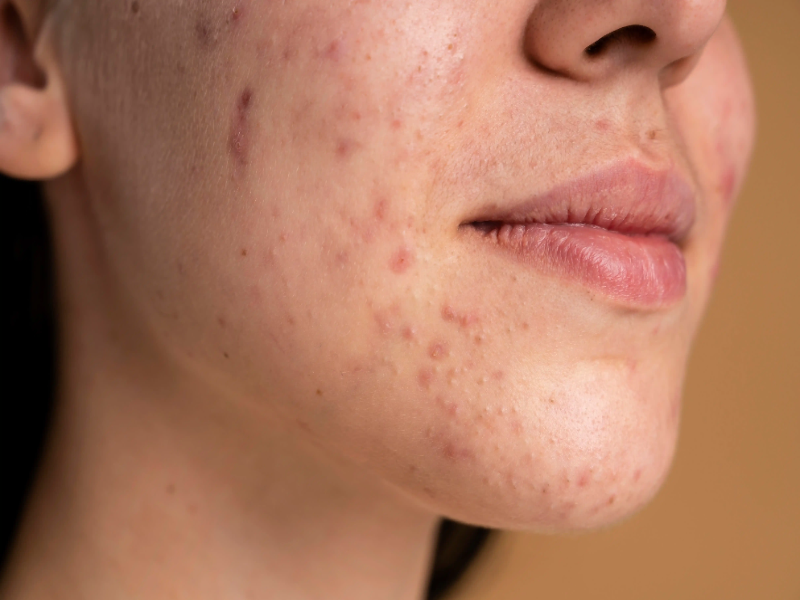

Acne scars are persistent changes in skin texture or pigmentation that may remain after acne. They can develop when inflammatory acne affects the normal healing process of the skin. Some people may develop depressed scars, raised scars, uneven texture, or post-inflammatory pigmentation.
Genetic factors, skin characteristics, the severity of acne, and the way inflammatory lesions heal may all influence scar formation. Picking or squeezing acne lesions may also increase the likelihood of scarring in some individuals.
Acne scars may affect appearance and can be bothersome for some people. Acne Scar Treatment includes different approaches intended to reduce the visible appearance of these scars and improve skin texture.
Importance of Acne Scar Treatment
Acne scar treatment may help improve the visible appearance of scars and skin texture.
For some individuals, improvement in skin appearance may also contribute to greater confidence in social situations. However, the psychological impact of acne scars and the benefit of treatment vary from person to person.
Different methods may be considered according to the depth, type, distribution, and severity of the scars.
Acne scar treatment in Ankara may include individualized treatment plans prepared according to skin type, scar characteristics, previous treatments, and individual response.
Professional assessment is important when selecting a treatment method.
Acne Scar Treatment Methods in Ankara
Different dermatological and aesthetic procedures may be used for acne scars in Ankara.
Selected Ankara Laser procedures, microneedling, chemical peels, subcision, fillers, and other approaches may be considered depending on the type of scar.
Each method has different indications, potential benefits, limitations, and recovery periods.
Laser treatments may help improve the appearance of certain scars by promoting controlled skin remodeling.
Microneedling may be considered for selected atrophic acne scars and can stimulate a wound-healing response associated with collagen remodeling.
Chemical peels may be more appropriate for certain superficial pigmentation changes and mild textural irregularities.
Platelet-rich plasma, or PRP, may also be used as part of some treatment plans, often in combination with other procedures. Its role and expected benefit depend on the individual treatment protocol.
Techniques Used in Acne Scar Treatment
The treatment technique should be selected according to the type and depth of the scars and individual skin characteristics.
Laser Treatment
Selected Ankara Laser procedures may help improve the appearance of certain acne scars by delivering controlled energy to the skin.
Different laser systems have different effects, so treatment should be selected according to scar type, skin tone, and individual risk factors.
Microneedling
Microneedling creates controlled micro-injuries in the skin and may stimulate collagen remodeling.
It may be considered for selected types of atrophic acne scars. The number of sessions and treatment intensity vary according to the individual.
Chemical Peeling
Chemical peeling involves controlled exfoliation of selected layers of the skin.
It may help improve certain superficial acne-related pigmentation changes and mild textural irregularities.
PRP
PRP uses a preparation derived from the individual's own blood and may be included in selected treatment protocols.
It may be combined with procedures such as microneedling in some cases, but its effectiveness varies and it should not be considered a guaranteed solution for acne scars.
After How Many Sessions Does Acne Scar Treatment Become Noticeable?
The number of sessions required before a visible difference develops varies considerably.
Some individuals may notice gradual changes after early sessions, while others may require several treatments before a noticeable improvement becomes apparent.
A treatment plan of approximately 3–6 sessions may be considered for some procedures, but this is not a fixed standard.
Microneedling, laser treatments, chemical peels, and combination treatments all have different treatment schedules.
The appropriate number of sessions depends on factors such as scar type, scar depth, skin tone, treatment method, individual healing response, and treatment intensity.
Visible improvement may continue to develop for several weeks or months after certain treatments because skin remodeling takes time.
For this reason, results should not be judged solely by the appearance of the skin immediately after the first session.
What Should Be Considered During Treatment?
Several factors should be considered throughout acne scar treatment.
After some procedures, the skin may temporarily become more sensitive. Appropriate sun protection may therefore be recommended.
Gentle moisturizers and skin care products may help support the skin barrier during recovery.
Alcohol-based toners, strong exfoliants, retinoids, acids, or other potentially irritating products may need to be temporarily avoided depending on the treatment performed.
Makeup, waxing, or other procedures that may irritate recently treated skin may also need to be limited for a period.
A balanced diet, sufficient hydration, and appropriate sleep can support general health, but they should not be considered direct treatments for acne scars.
Following individualized professional recommendations can help support the treatment and recovery process.
Choosing a Professional for Acne Scar Treatment
Professional assessment is an important part of acne scar treatment.
The practitioner should evaluate the type of scars, skin tone, skin sensitivity, medical history, active acne, previous treatments, and tendency toward pigmentation or abnormal scarring.
Experience with different acne scar types and familiarity with multiple treatment options can be useful because not every scar should be treated in the same way.
The technology used is also important, but newer equipment alone does not guarantee better results.
Treatment outcomes depend on several factors, including scar type, skin characteristics, treatment method, treatment settings, aftercare, and individual healing response.
For this reason, the most appropriate treatment plan should be based on a detailed evaluation rather than a fixed number of sessions or a promise of rapid results.
 Call
Call
 Whatsapp