


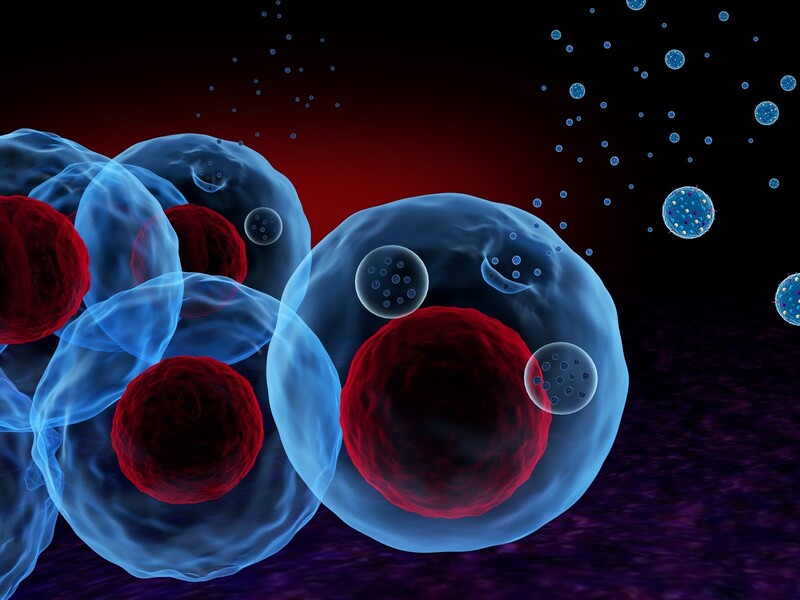

Stem cell-based and regenerative applications are approaches intended to support tissue repair and reduce the appearance of selected scars. Stem cells have the ability to differentiate into different cell types under appropriate biological conditions. However, the content, preparation method and clinical use of treatments described as “stem cell therapy” may vary considerably.
Certain regenerative procedures aim to support collagen production and tissue renewal, which may contribute to a smoother and more even-looking skin texture. Their potential use has also been discussed for concerns such as signs of ageing, wrinkles and changes in skin quality.
These applications should not be considered routine or universally suitable scar treatments. Before treatment, the type and source of the cellular product, the available scientific evidence, legal approval, preparation conditions and the qualifications of the practitioner should be evaluated carefully by a physician.
Advantages of Stem Cell-Based Treatment
Regenerative treatments may offer certain potential advantages when an appropriately prepared autologous product is used. Autologous means that the biological material is obtained from the individual receiving the treatment. This may reduce some compatibility concerns, but it does not eliminate all risks.
These procedures generally aim to support the skin’s natural repair mechanisms rather than simply removing the outer skin layer. Gradual tissue remodelling may contribute to longer-term changes in selected patients. However, it cannot be assumed that their effects will last longer than established methods such as Ankara Laser treatments in every case.
Some regenerative applications may be minimally invasive and may not require major surgery. Nevertheless, injection-related complications, infection, swelling, bruising, contamination and unpredictable tissue responses remain possible. The recovery period depends on the procedure and the material used.
Effectiveness of Stem Cell Applications in Scar Treatment
The proposed effect of stem cell-based applications in scar treatment is associated with their potential influence on tissue repair, collagen production and cellular signalling. When a suitable regenerative product is delivered to the treatment area, it may support remodelling of the surrounding tissue.
The strength of the available evidence varies according to the scar type and the specific product used. Acne scars, surgical scars and burn scars are structurally different and do not necessarily respond to the same treatment.
It would not be accurate to state that stem cell treatment provides positive results for every scar type. Scar depth, age, location, skin type and the presence of active inflammation all affect the outcome. Established procedures such as laser treatment, microneedling, subcision, surgery or injectable treatments may be more suitable in certain cases.
A detailed medical assessment is therefore required before treatment. The physician should explain whether the proposed application is supported by reliable clinical evidence and whether it is legally authorised for the intended use.
The Scar Treatment Process with Stem Cell-Based Applications
The treatment process generally begins with a detailed examination. The physician evaluates the type, depth, age and distribution of the scars. Medical history, current medications, previous treatments and expectations should also be reviewed.
The method used to obtain and prepare the biological material depends on the procedure. Some applications may involve cells or cell-related components derived from adipose tissue, bone marrow or other approved sources. Blood-based products such as platelet-rich plasma should not automatically be described as stem cell treatments because they are biologically different.
Any tissue collection, processing or injection procedure must be performed under appropriate medical and sterile conditions. The individual should be informed about how the product is prepared, whether laboratory processing is involved and what regulatory standards apply.
After treatment, temporary redness, swelling, tenderness or bruising may occur. Return to daily activities depends on the treatment area and the extent of the procedure. Tissue remodelling develops gradually, so potential changes may take several weeks or months to become noticeable.
Which Scar Types May Be Evaluated?
Regenerative applications may be considered for selected scar types following specialist assessment. However, suitability varies considerably.
Acne Scars
Depressed acne scars develop because of collagen loss and structural damage beneath the skin. Regenerative treatments may be discussed as part of a combined plan, but methods such as fractional laser, microneedling, radiofrequency microneedling, subcision or fillers may have a more established role depending on the scar type.
Surgical Scars
The appearance of surgical scars may change naturally for many months after surgery. Treatment choice depends on whether the scar is flat, depressed, raised, red or attached to deeper tissue. Regenerative applications may be considered in selected cases, but they do not guarantee that the skin will return to its previous appearance.
Burn Scars
Burn scars can involve deep and extensive tissue damage. Their treatment may require dermatological, plastic surgical and rehabilitation approaches. A cellular procedure alone may not be sufficient, particularly for contractures or raised scars.
Stretch Marks
Stretch marks are changes in the deeper supporting structure of the skin. Regenerative procedures may be investigated or used in combination with other methods, but complete removal should not be expected.
Each scar should be assessed individually before deciding whether a stem cell-based or regenerative application is appropriate.
After How Many Sessions May a Difference Be Noticed?
There is no standard session number that applies to every stem cell-based scar treatment. The number of sessions depends on the exact product used, the scar type, treatment area, skin structure and individual response.
Some individuals may notice gradual changes after one or more sessions, while others may not achieve a meaningful improvement. A fixed claim that visible results will occur after three to six sessions is not appropriate without specifying the treatment protocol and supporting clinical evidence.
Intervals between sessions must also be determined according to the procedure. A three- or four-week interval may be used in some protocols, while other treatments may require a longer observation period. Tissue remodelling can continue for several months, so sessions should not be repeated before the skin’s response has been evaluated adequately.
Standardised photographs taken under similar lighting conditions may help monitor progress. The treatment should be discontinued or revised when there is no meaningful improvement or when unexpected reactions occur.
Session Intervals and Duration
The duration of each appointment varies according to the size of the treatment area, the method of tissue collection, the preparation process and whether additional procedures are performed.
A session may take longer than a simple injection procedure if tissue collection or laboratory processing is required. Therefore, stating that every session lasts between 30 and 60 minutes may not apply to all stem cell-based treatments.
The treating physician should explain the planned interval between sessions and the reason for that interval. Sufficient time should be allowed for inflammation to settle and tissue repair to progress before further treatment is considered.
Regular follow-up appointments are important for evaluating healing, identifying complications and deciding whether additional sessions are justified.
Points to Consider After Treatment
Appropriate aftercare supports recovery and reduces the risk of complications.
Keep the Area Clean
The treated area should be cared for according to the physician’s instructions. Products should not be applied unless they have been approved for use after the procedure.
Protect the Skin from Sunlight
Direct sunlight should be limited, particularly when the procedure has caused redness or inflammation. A broad-spectrum sunscreen should be used when application is permitted, together with physical protection such as hats and shade.
Avoid Irritating Products
Retinoids, exfoliating acids, abrasive products and fragranced formulations may need to be paused temporarily. The timing for restarting active skincare ingredients should be determined by the treating physician.
Follow Medical Advice
Prescribed medication, wound-care instructions and scheduled controls should be followed carefully. Increasing pain, heat, discharge, severe swelling, fever or prolonged redness may indicate a complication and should be reported promptly.
Support General Health
Avoiding smoking may support wound healing and general skin health. A balanced diet, adequate hydration and regular sleep can complement recovery, but they do not replace medical treatment.
In conclusion, the time required to notice a difference after stem cell-based scar treatment cannot be expressed as a fixed number of sessions. The expected outcome depends on the exact biological product, scar characteristics and the quality of the medical protocol. Treatment should only be planned after a specialist has reviewed the available evidence, risks, regulatory status and alternative scar-treatment options.
 Call
Call
 Whatsapp