



The purpose of lip filler is to make the lips look younger, fuller and more attractive. Since some people have naturally thin lips, lip fillers can give them a more beautiful appearance. Additionally, loss of volume in the lips with aging can be compensated with lip fillers.
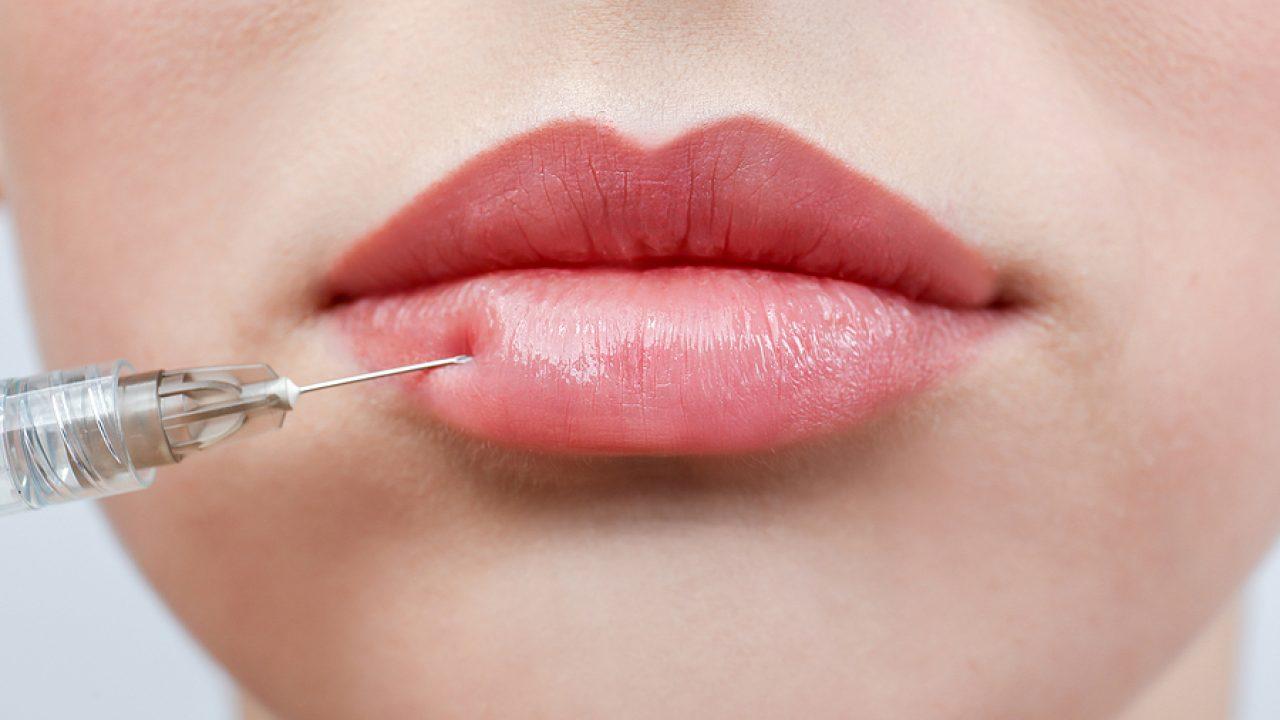
Lip filling procedure is usually performed under local anesthesia. During the procedure, filler is injected into the lip tissue with the help of thin needles. This procedure usually takes 15-30 minutes and may be painless or minimally painful. The results are visible immediately and lips look fuller and fuller.
What Happens After Lip Filling?
After the lip filling procedure, swelling, redness and sensitivity may occur on the lips. These symptoms usually pass within 2-3 days. For the first few days, lips may appear a little swollen and red, but this is normal and will subside over time.
Immediately after the procedure, lips may appear quite full and swollen. However, over time, the swelling decreases and the lips gain a more natural appearance. Full results usually appear within 1-2 weeks.
Pain after lip filler is usually mild and controllable. Ice application, painkillers, and eating soft foods can help reduce pain.
During the lip filling procedure, some people may experience bleeding, swelling or bruising. This condition is usually temporary and resolves on its own within a few days. If these symptoms persist for a long time, a physician should be consulted.
Care Tips After Lip Filling
After the lip filler procedure, proper care and attention can speed up the healing process and provide better results. Here are some important care tips:
1. First 24-48 Hours: During this period, move the lips as little as possible. Limit talking, laughing and eating. You can also reduce swelling and pain by cooling your lips with a cold ice pack.
2. Cleansing and Moisturizing: For the first few days after the procedure, gently clean your lips with a soft cloth or cotton product. Then, apply the moisturizing cream or balm recommended by your doctor.
3. Sun Protection: Avoid sun exposure as your lips will be sensitive after the procedure. Don't forget to apply sunscreen balm on your lips.
4. Make-up Application: Avoid applying make-up to your lips until the healing process is complete. Makeup can slow healing and increase the risk of infection.
5. Nutrition: To avoid disturbing your painful and swollen lips, eat soft and liquid foods for the first few days. Avoid hot or spicy meals.
6. Sleep and Rest: During the healing process, it is important to get adequate rest and sleep. Avoid stress and excessive activity.
By following these tips, you can have a smoother recovery process after lip filler and achieve faster results.
Possible Side Effects After Lip Filling
Lip filling is generally a safe and effective procedure, but some side effects may occur. These may include:
• Swelling and Redness: Swelling and redness may occur on the lips immediately after the procedure. This condition usually passes within 2-3 days.
• Pain and Sensitivity: Lips may be a little sore and sensitive after the procedure. Pain is usually mild and controllable.
• Bruising: In some people, bruising or ecchymosis may occur on the lips. This usually disappears within a few days.
• Infection: Although rare, there is a risk of infection after lip filling. If symptoms of infection (severe pain, swelling, redness, discharge) occur, a physician should be consulted.
• Asymmetry: Rarely, lips not being shaped equally or asymmetry may occur. This condition is usually temporary and resolves.
• Allergic Reaction: There is a risk of developing an allergic reaction to fillers. This occurs immediately after the procedure.
If you experience any side effects, it is important to contact your doctor immediately. Your doctor will recommend appropriate treatment and care methods.
Fast Recovery Methods After Lip Filling
Here are some important tips to have a quick and trouble-free recovery process after the lip filler procedure:
7. Cold Application: Immediately after the procedure, apply an ice pack or cold compress to your lips. This helps reduce swelling and pain.
8. Painkillers: Use painkillers recommended by your doctor regularly. This will help you control pain and discomfort.
9. Soft Nutrition: For the first few days, eat soft and liquid foods. Avoid solid and hard foods.
10. Rest: During the healing process, it is important to get adequate rest and sleep. Avoid stress and excessive activity.
11. Follow Your Doctor's Instructions: Follow all the instructions given by your doctor completely. Don't forget to go to your check-up appointments on time.
12. Moisturizing: Regularly use moisturizing creams or balms recommended by your doctor. This will prevent your lips from drying and cracking.
13. Sun Protection: Protect your lips from sunlight
After Lip Filling
Free Information,
Consultation and Appointment Request
 Call
Call
 Whatsapp