


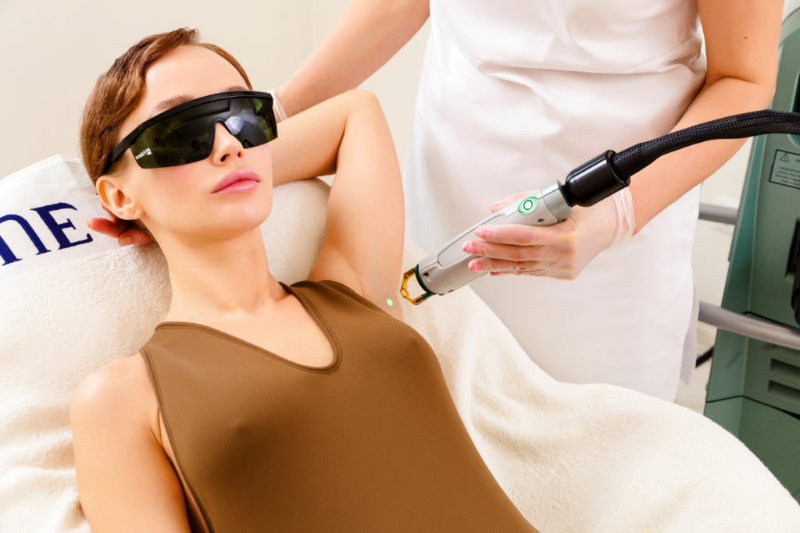

Electrolysis is a method that aims to permanently reduce unwanted hair. In this article, we will discuss post-electrolysis care in detail.
What Is Electrolysis?
Electrolysis is a hair removal method in which a fine probe delivers electrical current into each hair follicle to weaken the root. The main goal of this method is to reduce regrowth by targeting the hair follicle directly. However, since each individual has different skin and hair characteristics, results may vary.
What distinguishes this method from others is that it acts directly on the hair root. While laser hair removal is also popular, electrolysis can be more effective for fine and light-colored hair. The procedure should be performed in a professional setting by a qualified specialist.
The number and frequency of sessions vary depending on individual needs and skin type. Treatments are usually scheduled at regular intervals of a few weeks. After the procedure, some skin sensitivity may occur, making aftercare essential.
Importance of Post-Electrolysis Care
Proper aftercare plays a critical role in optimizing treatment results and minimizing potential skin issues. The skin may become sensitive after the procedure and requires careful attention. Without proper care, irritation or even infections may occur.
Maintaining proper skincare helps speed up the healing process. Keeping the skin moisturized, protecting it from the sun, and avoiding irritants are essential steps. Effective aftercare contributes to faster recovery and improved results.
In addition, a proper skincare routine can help prevent marks or pigmentation issues. Using products suitable for your skin type supports healthier skin and enhances satisfaction with the results.
Possible Skin Reactions After Electrolysis
After electrolysis, some temporary skin reactions may occur. These effects usually subside within a short period but may vary depending on skin type.
Common reactions include redness, mild swelling, and sensitivity. These symptoms typically begin to decrease within a few hours. In some cases, slight crusting or small bumps may appear as part of the natural healing process.
If these symptoms persist for several days or worsen, it is important to consult a specialist. Professionals can provide personalized recommendations based on your skin’s needs.
Things to Consider in Post-Electrolysis Skincare
There are several important points to consider when caring for your skin after electrolysis:
- Sun Protection: Avoid direct sun exposure and use a broad-spectrum sunscreen to protect your skin from UV rays.
- Gentle Cleansing: Cleanse your skin with mild products. Avoid harsh soaps or alcohol-based toners that may cause irritation.
- Moisturizing: Keeping the skin hydrated helps accelerate healing. Use a light moisturizer suitable for your skin type.
Choosing products designed for sensitive skin can further support recovery and maintain skin health.
Is Laser Treatment on the Face Harmful?
Laser hair removal is a popular method that can be used on various areas of the body, including the face. However, when evaluating whether it is harmful, several factors should be considered.
Laser treatments target hair follicles to reduce regrowth. While generally considered safe, the results may vary depending on skin type and the device used. Sensitive skin or improper applications may lead to temporary redness or irritation.
Consulting a dermatologist or specialist before undergoing treatment is recommended. This helps ensure a personalized approach and minimizes potential side effects.
Laser Hair Removal Applications in Ankara
Ankara is home to many clinics offering laser hair removal services with modern technology and experienced professionals. Reliable centers such as Ankara Life Polyclinic provide personalized treatment plans to improve results.
If you are considering laser hair removal in Ankara, scheduling a consultation beforehand can help determine the most suitable treatment for your skin type. Evaluating the quality of equipment and the experience of specialists is essential for achieving the best outcomes.
 Call
Call
 Whatsapp