


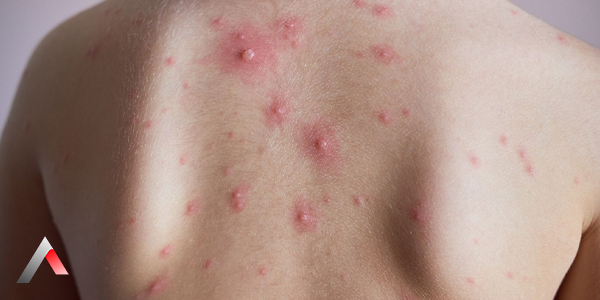

What are Allergic Acne on the Body?
Allergic acne on the body usually occurs as a result of an allergic reaction on the skin. These acnes occur when the body's immune system overreacts to a substance. Allergens can be food, cosmetic products, soaps or some medications. The skin reacts to these substances, causing inflammation and red, raised acne. Allergic acne is usually itchy and can spread to different parts of the body.
Symptoms of Allergic Acne
Allergic acne is typically red, swollen and inflamed. Acne is usually itchy and can be painful on the body. This type of acne can also manifest itself as small blisters on the skin. Allergic reactions are sometimes accompanied by other symptoms such as rash, redness and dryness on the body. The most distinctive feature of allergic acne is that it occurs quickly after contact with the substance that triggers the allergy.
Causes of Allergic Acne on the Body
There may be more than one reason for allergic acne on the body. Exposure of the skin to allergens is one of the most common causes. These may include a new cosmetic product, shampoo, soap, clothing materials or a food you eat. In addition, some medications can also cause allergic reactions. Especially antibiotics, painkillers and some skin creams and lotions can trigger allergic reactions. In addition, stress, hormonal changes or existing irritations on the skin can also increase allergic acne.
First Steps in Combating Allergic Acne
When allergic acne is encountered, the first step is to stop contact with the allergen. It is important to consult a dermatologist to determine the cause of the allergic reaction. In this way, the substance causing the allergy can be identified and avoided. At the same time, if the acne is severe or itchy, applying a cold compress can be soothing. Gentle and alcohol-free skin care products should be used to reduce skin irritation.
Treatment Methods
The drugs used in the treatment of allergic acne vary according to the severity of the allergic reaction. Antihistamines can be used for mild allergic reactions. These drugs reduce the allergic response in the body and relieve itching. If the acne is severe and there is redness or blisters on the skin, the doctor may recommend corticosteroid creams or lotions. These drugs help to heal the acne by reducing inflammation in the skin. In addition, it is important to prefer hypoallergenic products that do not contain alcohol and perfume in the skin care routine.
Natural Solutions for Allergic Acne
Some people may prefer natural treatment methods for allergic acne. Aloe vera can help reduce redness and inflammation on the skin. Likewise, natural oils such as lavender oil can soothe itching on the skin. However, it is not recommended to apply these treatment methods without a doctor's approval. Especially if the skin reaction is severe, priority should be given to treatment methods recommended by the doctor.
Ways to Protect Yourself from Allergic Acne
To protect yourself from allergic acne, allergens should be prevented from coming into contact with your skin. Using hypoallergenic products that are suitable for your skin type can prevent the formation of such acne. In addition, cleaning and moisturizing your skin frequently is beneficial in preventing allergic reactions. It should also be noted that stress can also trigger allergic acne. Therefore, applying stress management and relaxation techniques can also improve your skin health.
In Conclusion
Allergic acne on the body usually occurs after contact with allergens and can be treated. Identifying and avoiding the substances that cause allergies is important to prevent the recurrence of such acne. Treatment methods recommended by a dermatologist help acne heal. In addition, it is possible to reduce the effects of allergic acne with proper skin care and natural solutions.
 Call
Call
 Whatsapp