


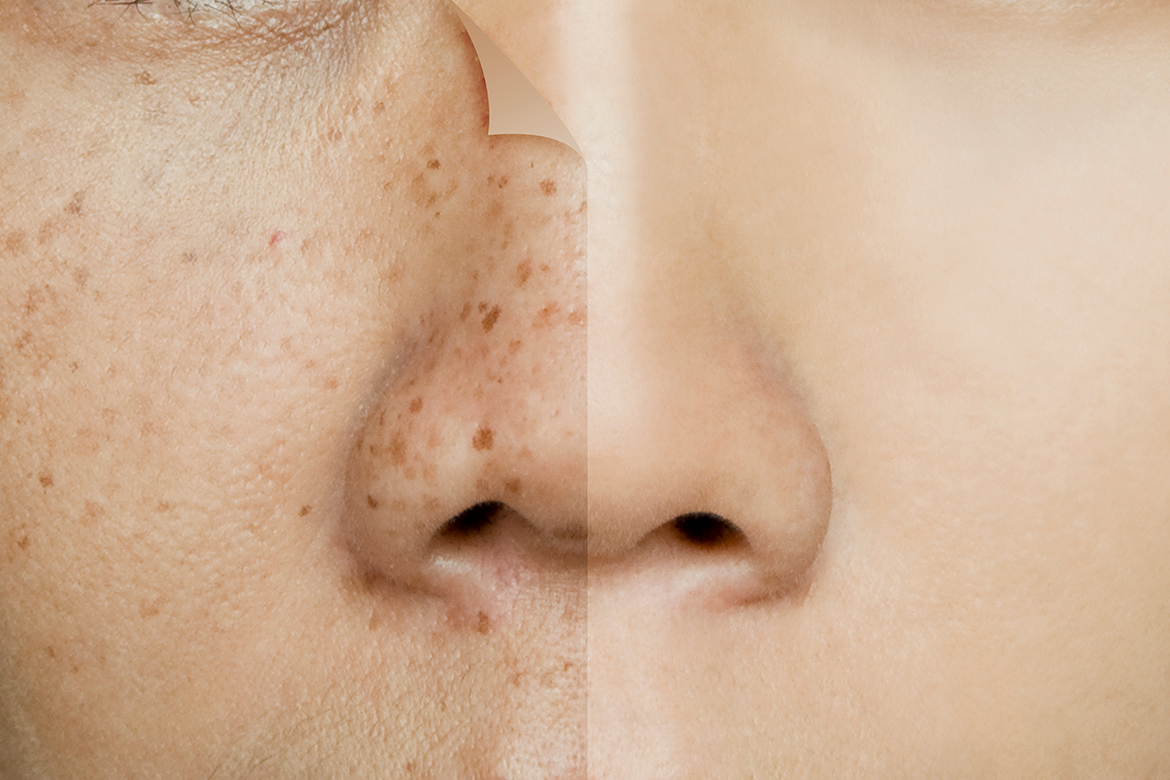

Ankara spot treatment is a series of procedures and treatment options used to address pigment changes in the skin. This method aims to reduce skin color differences, prevent spot formation, and make the skin more even and bright. The treatment process can be customized according to the person's skin type, spot type, and severity.
Expert dermatologists in Ankara determine the most appropriate treatment method according to the needs of their patients. Treatment options may include chemical peeling, laser treatment, light therapy, and various topical creams. Each method offers certain advantages and disadvantages, and the appropriate one is selected according to the patient's needs.
Ankara Spot Treatment Methods
Ankara spot treatment can be performed with a variety of methods. Below you can find the most commonly used treatment options:
Chemical Peeling: This method aims to reduce spots and pigment changes by peeling the upper layer of the skin in a controlled manner. Different chemical components can be used and the treatment process is customized to the individual.
Laser Treatment: Using high-energy light beams, differences in skin pigmentation are reduced. Laser treatment can be an effective option, especially for deep-seated spots.
Light Therapy: This method aims to regulate skin pigmentation by using light of certain wavelengths. Light therapy is usually applied to more superficial spots.
Topical Creams: Special creams containing various active ingredients can help prevent spots from forming and reduce existing spots. These creams should be used with a doctor's prescription or expert advice.
Combined Treatments: Sometimes, a combination of the above methods can be used to achieve more effective results. The doctor determines the most appropriate treatment plan according to the patient's needs.
Each treatment method comes with its advantages and disadvantages. Expert dermatologists in Ankara determine the most appropriate treatment option by evaluating the skin condition of their patients.
Ankara Spot Treatment Process and Effects
The Ankara spot treatment process is customized according to the patient's needs. The treatment plan may include the following steps:
Initial Assessment: The doctor evaluates the patient's skin condition, the type of spot and its severity. In addition, the patient's medical history, medication use and other factors are also taken into account.
Determining Treatment Options: The doctor determines the most appropriate treatment method or methods for the patient's needs. This selection is made according to the type of stain, skin type, expectations and other factors.
Treatment Application: The selected treatment method(s) are applied under the supervision of a doctor. This process can take place over a few sessions or a longer period of time, depending on the type of treatment.
Follow-up and Evaluation: During the treatment process, the doctor regularly monitors the patient's skin condition and can update the treatment plan if necessary.
The effects of Ankara stain treatment can vary depending on the patient's skin structure, stain type and treatment method. In general, these treatments can provide the following results:
Reduction in stain and pigment differences
A more even and bright skin appearance
Increased self-confidence and sense of well-being
Reduction or prevention of stain formation in the long term
Ankara stain treatment process usually takes place over a few sessions or a longer period of time. The patient's expectations and skin condition can have an impact on the treatment duration and results.
Ankara Stain Treatment Results and Expectations
Ankara stain treatment can provide positive results for most patients. However, since each patient's skin condition and expectations are different, treatment results can also vary from person to person.
A successful Ankara spot treatment can produce the following results:
Reduction in Spot and Pigment Differences: Treatment methods can significantly reduce differences in skin pigmentation, resulting in a more even and brighter skin appearance.
Healthier and Smoother Skin: During the treatment process, the general condition of the skin can also improve. Smoother, softer and healthier skin can be achieved.
Increased Self-Confidence and Feeling of Well-Being: Security issues experienced due to spots and pigment differences can decrease after treatment. This can positively affect the person's self-confidence and feeling of well-being.
Long-Term Results: Correct treatment methods and regular care can reduce or prevent spot formation. In this way, healthier and brighter skin can be achieved in the long term.
Expectations may vary depending on each patient's skin condition, spot type and treatment response. Doctors help patients develop realistic expectations and establish transparent communication during the treatment process.
 Call
Call
 Whatsapp