



What is Antibiotic Acne Cream and How is it Used?
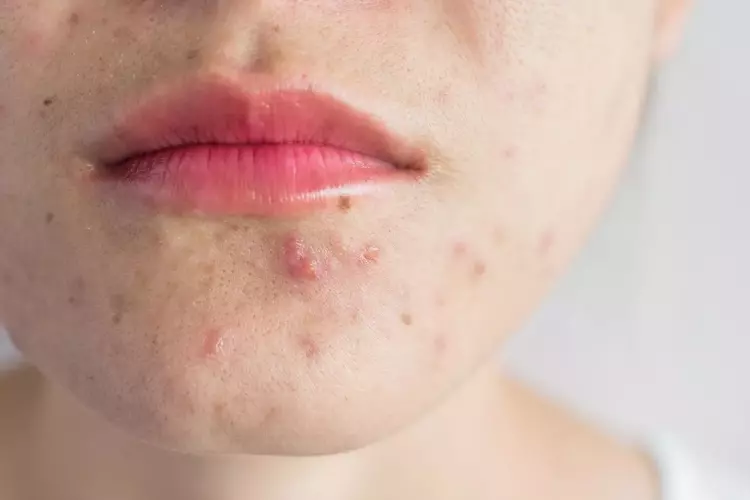
Antibiotic acne creams are effective skin products used especially in the treatment of inflamed and infected acne. They are usually prescribed by dermatologists and can help heal acne by reducing bacteria on the skin when used correctly.
What is Antibiotic Acne Cream?
Antibiotic acne creams are topical medications with antibacterial properties used to treat inflamed acne on the skin. These creams work by killing bacteria on the skin surface or in the pores or by stopping their reproduction. It is especially preferred for inflamed and painful acne.
How Does It Work?
Antibiotic creams generally aim to destroy bacteria called Propionibacterium acnes (P. acnes) on the skin surface. These bacteria cause inflammation in the pores, leading to the appearance of acne.
In Which Cases is It Used?
Inflamed and painful acne.
Infected cystic acne.
Foliculitis caused by bacterial infection.
Chronic skin conditions such as Hidradenitis Suppurativa.
Commonly Used Antibiotic Acne Creams
There are many antibiotic creams on the market containing different active ingredients. The best approach would be to use the appropriate one according to your doctor's recommendation.
Clindamycin:
It is one of the most commonly used antibiotic acne creams. It is usually prescribed in the form of gels or lotions. It reduces inflammation by killing bacteria in the pores.
Erythromycin:
It is especially effective in the treatment of inflammatory acne. It has a similar effect to Clindamycin. It is often used in combination with other topical medications.
Tetracycline:
It prevents the growth of bacteria thanks to its antibacterial properties. Although it is usually used orally, it can also be prescribed as a cream.
Fusidic Acid (Fucidin):
Although it is mostly used in the treatment of skin infections, it can also be effective in inflammatory acne. It helps prevent bacterial infections.
How to Use Antibiotic Acne Cream?
For antibiotic acne creams to be effective, they must be used correctly. Otherwise, side effects may occur or the treatment may not be effective. Here are the things to consider:
Skin Cleansing:
Before applying the cream, wash and rinse your skin with a gentle cleanser. The skin should be completely clean and dry.
Application:
A thin layer should be applied only to the acne area. It may be more effective to apply directly to inflamed areas in particular.
Frequency of Use:
It is usually applied once or twice a day, as recommended by your doctor. Using it more frequently does not speed up the treatment and can irritate the skin.
Regular Use:
Antibiotic creams usually require regular use for a few weeks. You should be patient and complete the treatment process.
Side Effects of Antibiotic Acne Creams
Like any medication, antibiotic acne creams can cause some side effects. Although these side effects are usually mild, serious reactions can also occur.
Common Side Effects:
Skin dryness
Redness
Itching or irritation
Mild burning sensation
Serious Side Effects:
Severe allergic reactions (rash, swelling, shortness of breath)
Excessive irritation or inflammation of the skin
Worsening of acne despite treatment
If such symptoms occur, it is important to stop using the cream and consult your doctor.
Who Are Antibiotic Acne Creams Not Suitable For?
They may not be suitable for all skin types. Caution should be exercised especially in the following cases:
Those with allergic skin.
Those with open wounds or skin conditions such as eczema.
Pregnant or breastfeeding mothers (Should not be used without a doctor's advice).
Things to Consider About Antibiotic Creams
Interaction with Other Medications:
If different topical medications are being used at the same time, inform your doctor. The risk of irritation may increase, especially when used in combination with products containing retinoids.
Long-Term Use:
Long-term use of antibiotics can cause the beneficial bacteria on the skin to decrease and resistance to develop. Therefore, they should not be used without a doctor's advice.
Conclusion
Antibiotic acne creams are an effective method in the treatment of inflammatory and bacterial acne. However, if used incorrectly or unnecessarily, they can cause unwanted side effects. If your acne problem persists, it is important to consult your dermatologist and learn the appropriate treatment methods for your skin.
 Call
Call
 Whatsapp