


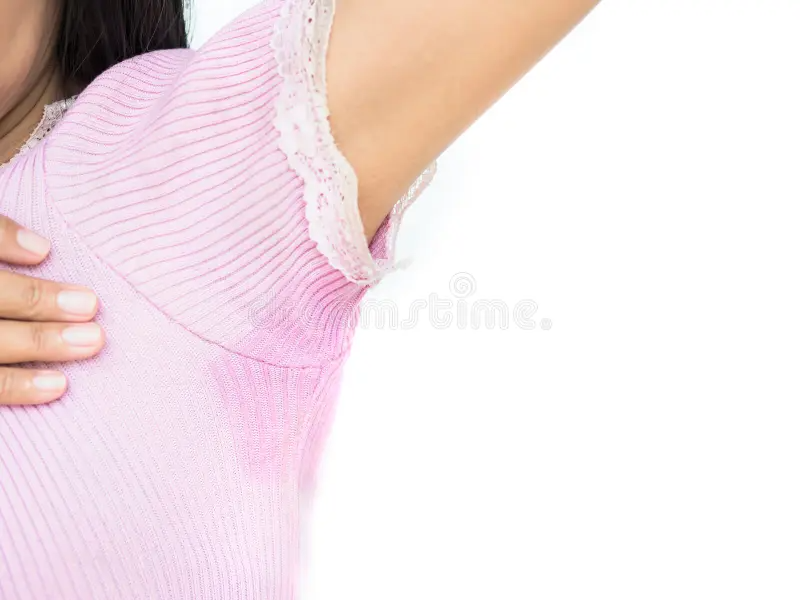

Excessive sweating is medically known as hyperhidrosis. It refers to sweating that exceeds what is necessary for normal body-temperature regulation. The condition may negatively affect daily activities, social interactions and emotional well-being.
Hyperhidrosis commonly affects the underarms, palms and soles of the feet. In some individuals, it may also affect the face, scalp or other areas.
Excessive sweating may be primary, meaning that no underlying medical condition is identified, or secondary to hormonal changes, medication use or another health problem. Sudden, generalised or night-time sweating should be medically evaluated before treatment.
Ankara Laser and other healthcare providers may offer different treatment options according to the affected area and severity of the symptoms. The main aim is generally to reduce excessive sweating and improve daily comfort rather than eliminate normal perspiration completely.
Persistent moisture may contribute to irritation, odour and selected bacterial or fungal skin problems. Hyperhidrosis may also increase social discomfort and stress. Appropriate diagnosis and treatment planning are therefore important.
Treatment Methods for Excessive Sweating
Different methods may be considered according to the affected area, severity of sweating and underlying cause.
Botulinum Toxin Injections
Botulinum toxin injections temporarily reduce the nerve signals that activate sweat glands in the treated area.
The treatment is commonly used for underarm sweating and may also be considered for the palms, soles or selected facial areas.
The effect is temporary and gradually decreases over time. Repeat treatment may be considered following medical assessment.
Possible side effects include pain, tenderness, bruising and swelling. Treatment of the palms may also cause temporary weakness in grip strength in some individuals.
Iontophoresis
Iontophoresis uses a mild electrical current delivered through water to reduce sweating, particularly in the hands and feet.
Several initial sessions may be required, followed by maintenance treatments. The response and treatment schedule vary between individuals.
The method may not be suitable for individuals with certain implanted electrical devices, pregnancy or selected medical conditions. Suitability should be assessed by a healthcare professional.
Topical and Oral Treatments
Prescription-strength antiperspirants may be used for selected areas.
Certain oral medications can reduce sweating but may cause side effects such as dry mouth, blurred vision, constipation, difficulty urinating or increased sensitivity to heat.
The potential benefits and risks should be reviewed before oral treatment begins.
Surgical Treatment
Endoscopic thoracic sympathectomy is a surgical procedure that interrupts selected sympathetic nerve pathways. It is generally reserved for severe cases that have not responded adequately to less invasive treatments.
An important possible consequence is compensatory sweating in other parts of the body. This effect may be significant and can persist rather than resolving quickly.
Surgical treatment therefore requires careful evaluation and detailed informed consent.
Expectations After Treatment
Many individuals notice a reduction in sweating after an appropriate treatment, but the timing and degree of improvement depend on the selected method.
The effect of botulinum toxin does not begin immediately. It generally develops gradually over several days.
Iontophoresis often requires repeated sessions before a meaningful response is observed. Surgical procedures have a different recovery period and risk profile.
The response may also differ between treatment areas. A method that works well for underarm sweating may not provide the same result for the hands or feet.
Compensatory sweating is particularly associated with surgical sympathectomy. It should not be assumed to be temporary in every individual.
Increasing pain, signs of infection, marked weakness or breathing and swallowing problems should be reported promptly.
Benefits of Exercise
Regular exercise supports cardiovascular health, muscle strength, endurance, sleep and psychological well-being. It may also help with stress management.
Treatment for hyperhidrosis does not generally require exercise to be stopped permanently.
Any restriction is usually temporary and depends on the procedure, treatment area and individual recovery.
Exercise Restrictions After Botulinum Toxin Treatment
After botulinum toxin injections, the practitioner may recommend avoiding strenuous exercise for a limited period.
Exercise increases circulation, body temperature and sweating. It may also increase friction or pressure around recently injected areas.
The exact restriction period varies according to the treatment area and the practitioner’s protocol. The same time frame is not appropriate for every individual.
Light daily activities may be possible, while high-intensity exercise should be resumed according to the treating professional’s instructions.
Rubbing, massaging or applying pressure to the injection sites may also need to be avoided temporarily.
Exercise After Iontophoresis
Iontophoresis generally does not require a prolonged interruption from physical activity.
However, temporary redness, dryness, tingling or irritation may occur. Activities that increase friction or discomfort in the treated hands or feet may need to be postponed until the skin settles.
Appropriate moisturising and skin-barrier care may be recommended between sessions.
Exercise After Surgical Treatment
Exercise restrictions are more significant following surgical procedures such as endoscopic thoracic sympathectomy.
The incisions and surrounding tissues need time to heal. Heavy lifting, high-intensity exercise and activities that strain the upper body may need to be avoided for the period recommended by the surgeon.
The individual should not resume strenuous activity solely because pain has decreased. Wound healing and medical clearance should also be considered.
Chest pain, shortness of breath, fever, increasing redness or discharge from the wound requires prompt medical evaluation.
Should Hot Environments Be Avoided?
Temporary avoidance of very hot environments may be recommended after certain hyperhidrosis treatments.
After Botulinum Toxin Injections
Saunas, steam rooms, hot baths and intense heat exposure may be restricted briefly after treatment.
Heat can increase circulation, sweating and discomfort around the treated area. The recommended restriction period depends on the practitioner’s instructions.
After Iontophoresis
Hot environments do not necessarily interfere directly with the treatment result. However, irritated or dry skin may become more uncomfortable with heat and sweating.
Conditions that worsen burning, redness or irritation should be avoided until the skin recovers.
After Surgical Treatment
Saunas, steam rooms, swimming pools and very hot baths may need to be avoided until surgical wounds have healed adequately.
Heat may also increase dizziness, dehydration and discomfort during early recovery.
Activities That May Require Caution
Depending on the treatment method, temporary precautions may include:
-
Strenuous exercise
-
Activities that cause heavy sweating
-
Saunas and steam rooms
-
Very hot showers or baths
-
Swimming before injection sites or wounds have healed
-
Rubbing or massaging treated areas
-
Tight clothing that creates friction
-
Heavy lifting after surgery
The duration of these restrictions should be determined individually.
Food, Drinks and Sweating
Spicy foods, very hot drinks, alcohol and excessive caffeine may trigger sweating in some individuals.
Avoiding personal triggers may improve comfort during the early post-treatment period.
However, dietary changes do not directly accelerate healing or guarantee a better treatment outcome.
Adequate fluid intake is important, particularly during hot weather or exercise. Dizziness, weakness or other signs of dehydration should be taken seriously.
When Can Normal Activities Be Resumed?
There is no single return-to-activity schedule that applies to every hyperhidrosis treatment.
After botulinum toxin injections, many individuals can continue routine activities, while strenuous exercise and heat exposure may be limited temporarily.
Iontophoresis often requires little or no downtime unless skin irritation develops.
Surgical treatment requires a longer and more structured recovery period. The return to exercise should follow the surgeon’s recommendations.
In conclusion, exercise and exposure to hot environments may be temporarily restricted after excessive sweating treatment. The duration and extent of these precautions depend on whether the individual has received botulinum toxin injections, iontophoresis, medication-based treatment or surgery. Instructions provided by the treating healthcare professional should take priority over general recommendations.
 Call
Call
 Whatsapp