


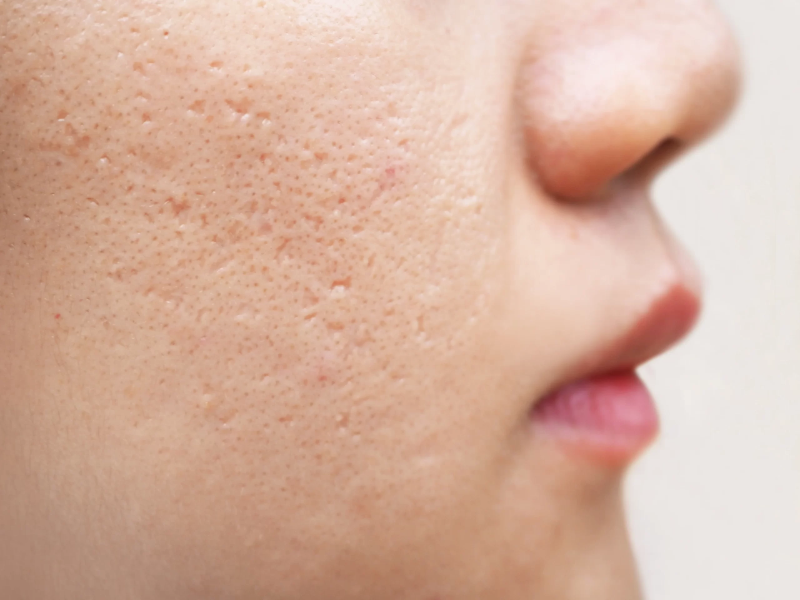

Acne scars are a common skin concern that may affect quality of life for some individuals. These scars can sometimes appear as deep depressions and may cause a noticeable loss of smoothness in the skin. Depressed acne scar treatment includes various methods aimed at improving skin texture and reducing the visible appearance of scars. These treatments may include laser procedures, chemical peels, and microneedling.
The treatment method selected depends on the depth and type of the scars, skin characteristics, and the individual's general health and medical history. For example, Ankara Laser applications may include different laser technologies selected according to skin type and scar characteristics. Treatment outcomes depend on several factors, including appropriate method selection, treatment settings, scar type, and professional assessment.
The treatment process may require more than one session, and sufficient time may be needed between sessions for the skin to recover. During this period, following professional recommendations and allowing the skin enough time to heal are important. Although there is no single treatment suitable for everyone, individualized treatment and appropriate aftercare may help reduce the appearance of Acne & Pimple Scars.
Effects of Depressed Acne Scar Treatment
Depressed acne scar treatment aims to improve skin texture and reduce the visible appearance of scars. Some changes may become noticeable after treatment, although the timing and degree of improvement vary. Certain individuals may notice early changes after initial sessions, while more noticeable improvement may require several sessions and continued skin remodeling.
Treatment methods may create controlled effects in the skin to support resurfacing or collagen remodeling. Depending on the procedure, this may gradually help improve the appearance and texture of selected scars. Acne & Pimple Scar Treatments may include laser procedures, chemical peels, microneedling, or other techniques. These procedures work through different mechanisms and should not all be considered identical forms of skin injury.
Treatment response varies from person to person. Skin type, age, scar characteristics, genetic factors, previous treatments, and individual healing response may all affect the outcome. Some individuals may notice improvement sooner than others, while for others the process may take longer. With an appropriate treatment plan, the visible appearance of selected scars may gradually improve.
Redness and Sensitivity: Why Do They Occur?
Redness and sensitivity may occur after certain depressed acne scar treatments. These reactions can be part of the temporary inflammatory and healing response caused by procedures such as laser resurfacing, microneedling, or chemical peeling. The intensity of these symptoms depends on the treatment method and individual skin response.
Redness may be more noticeable during the early period after some procedures. It reflects the skin's response to treatment but should not by itself be interpreted as proof of successful treatment or new cell formation. Sensitivity may occur because the skin barrier is temporarily affected and the treated area may react more strongly to heat, friction, cosmetic products, or environmental exposure. Gentle skin care is particularly important during this period.
The duration of redness and sensitivity varies according to treatment intensity, skin type, and the procedure performed. In some cases, symptoms may improve within several days, while deeper or more intensive treatments may require a longer recovery period. Following appropriate aftercare instructions and limiting unnecessary sun exposure can help support normal skin recovery.
Normal Symptoms After Depressed Acne Scar Treatment
Some temporary skin reactions may be observed after treatment. Depending on the procedure, mild redness, sensitivity, swelling, dryness, peeling, or crusting may occur. These findings are often temporary, but they should always be interpreted according to the treatment method and the individual's healing response.
These reactions may be associated with controlled changes created in the skin during the procedure and the subsequent healing process. After depressed acne scar treatment, the duration of these changes may range from a few days to longer periods depending on the depth and intensity of treatment. Protecting the skin from excessive heat, friction, and direct sun exposure may be recommended during recovery.
Appropriate skin care can help support the recovery process. Gentle moisturizers and products suitable for sensitive skin may help reduce dryness and discomfort. Harsh chemicals, strong exfoliants, scrubs, or other potentially irritating products may need to be temporarily avoided. The timing for restarting active products should depend on how the skin is healing and on professional advice.
How Long Do Redness and Sensitivity Last?
The duration of redness and sensitivity varies according to the treatment method and individual factors. After some procedures, these symptoms may be most noticeable during the first few days and then gradually decrease. However, recovery time can differ considerably between individuals and between different scar treatments.
Redness may remain noticeable for several days after certain treatments, while sensitivity may persist for a similar or somewhat longer period. A fixed duration such as 3–7 days does not apply to every procedure. Gentle skin care, appropriate moisturization, and avoiding unnecessary irritation may help support recovery during this period.
In some cases, redness or sensitivity may last longer, particularly after deeper or more intensive procedures. If symptoms are worsening rather than improving, or are accompanied by significant pain, increasing swelling, discharge, blistering, fever, or other unexpected findings, professional assessment should be sought without waiting for a fixed time period.
Aftercare Recommendations
Appropriate aftercare can help support skin recovery after depressed acne scar treatment. Keeping the skin gently cleansed and properly moisturized may help maintain the skin barrier. Cleansing products should generally be mild, and moisturizers should be selected according to skin type and the procedure performed.
Sun protection is also an important part of aftercare. Recently treated skin may be more susceptible to irritation or pigmentation changes following ultraviolet exposure. Broad-spectrum sunscreen, protective clothing, and limiting unnecessary direct sun exposure may therefore be recommended. Products with SPF 30 or higher may be appropriate depending on professional advice.
Balanced nutrition can support general health during the recovery period. Foods containing antioxidants, adequate protein, vitamins, and minerals can be part of a healthy diet, while sufficient water intake supports normal body functions. However, these measures should not be expected to directly accelerate scar remodeling or determine the final treatment result.
When Should You Consult a Doctor?
Most temporary reactions after treatment may improve gradually, but certain symptoms should be professionally evaluated. Persistent or worsening redness and sensitivity may require assessment, particularly if the symptoms are more intense than expected for the procedure performed. The appropriate timing for consultation depends on the treatment and severity of the symptoms.
Signs such as increasing swelling, severe pain, discharge, spreading redness, blistering, or other findings suggestive of infection or an unusual reaction should be evaluated promptly. Although serious complications are uncommon with many procedures, early professional assessment may help determine whether additional treatment or changes in aftercare are necessary.
You may also consult your doctor if the healing process differs significantly from what was discussed before treatment or if you are concerned about an unexpected result. The treatment plan can then be reviewed according to skin response. Ankara Laser applications and other acne scar procedures should be managed with an individualized approach rather than expecting the same recovery pattern for every person.
Frequently Asked Questions About Depressed Acne Scar Treatment
1. Is depressed acne scar treatment painful?
The level of discomfort depends on the procedure, treatment depth, area being treated, and individual pain sensitivity. Some procedures may cause mild to moderate discomfort. Topical or local anesthesia may be used for certain treatments when appropriate, but it is not required for every method.
2. Can I return to work after treatment?
Return to normal activities depends on the procedure and the degree of redness, swelling, peeling, or sensitivity. Some individuals may return to daily activities relatively quickly, while more intensive procedures may require a longer recovery period. The expected downtime should be discussed before treatment.
3. How long does treatment take?
Treatment duration depends on the method used, the size of the treatment area, and the depth and number of scars. Some procedures may take approximately 30–60 minutes, while others may be shorter or longer. More than one session may also be considered, with intervals determined according to skin recovery.
4. Is laser treatment suitable for everyone?
Laser treatment is not automatically suitable for every individual. Skin phototype, scar type, pigmentation tendency, medical history, previous treatments, and the specific laser technology and settings should all be evaluated before treatment. Professional assessment helps determine whether a laser procedure may be appropriate.
5. When can results be seen?
The time required to notice improvement varies according to the treatment method and individual skin response. Some changes may become noticeable within several weeks, while collagen remodeling and textural improvement after certain procedures may continue for several months. Depressed acne scar treatment therefore generally requires realistic expectations and an individualized follow-up plan.
 Call
Call
 Whatsapp