


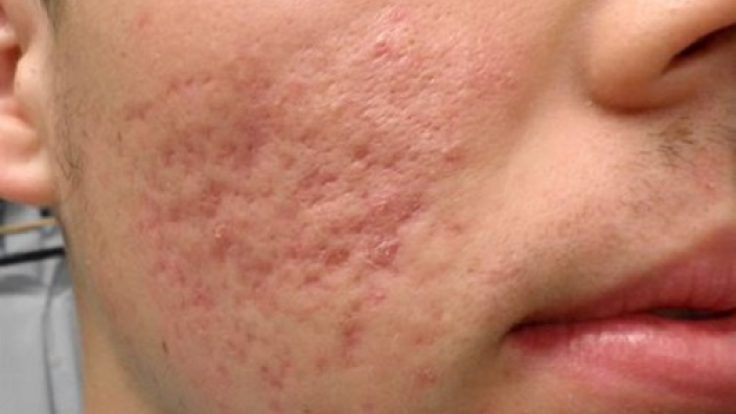

What is Azeltin?
Azeltin is a drug used to treat acne and usually contains an antibiotic called azithromycin. Azithromycin is a type of macrolide antibiotic that treats infections by preventing the growth of bacteria. Azeltin is an effective drug used especially in the treatment of acne vulgaris (common acne).
Acne occurs when the oil glands in the skin work excessively and these oils accumulate in the pores, causing bacteria to multiply. Azeltin helps reduce the inflammation that causes acne by targeting these bacteria.
How Does Azeltin 250 mg Work in Acne Treatment?
Azeltin treats bacterial infections on the skin thanks to the azithromycin it contains. This antibiotic prevents the growth of bacteria on the skin, reduces inflammation and helps prevent acne formation. Azeltin, usually taken orally, penetrates the body quickly and works effectively.
In acne treatment, Azeltin helps to heal inflammation on the skin rapidly as an antibiotic. This treatment gives more effective results in individuals with more severe and inflammatory acne.
The Role of Azeltin 250 mg in Acne Treatment
Azeltin 250 mg is usually used as an oral treatment. The dosage and treatment duration of the drug are determined by the doctor and this process usually varies between 3-6 weeks. Azeltin can be effective even when taken once a week, but the treatment duration and dosage can be adjusted according to the individual situation.
The effect of Azeltin in acne treatment is that it directly targets inflammations on the skin and destroys bacteria under the skin. With this process, swelling, redness and inflammation on the skin decrease rapidly, and a significant improvement in the appearance of acne is achieved.
Azeltin Usage and Side Effects
Although Azeltin is well tolerated by most people, as with any drug, some side effects may occur. The most common side effects may include nausea, abdominal pain or diarrhea. These side effects are usually mild and temporary, and may be important conditions to be careful about during treatment.
Apart from this, more serious side effects such as skin rashes or allergic reactions may also occur in rare cases. In such cases, the use of the drug should be stopped immediately and a health professional should be consulted.
Types of Acne Treated with Azeltin
Azeltin is generally used for acne caused by inflammation and bacterial infections. In other words, it tends to be effective on larger, inflamed acne such as pustules and nodules. While Azeltin accelerates the healing of these types of acne, its effect on smaller and superficial acne may be limited.
When using Azeltin in the treatment of acne, more effective results can be obtained together with topical treatments. For example, basic skin care steps such as skin cleansing and moisturizing are also very important in the treatment process.
Things to Consider When Using Azeltin
Since Azeltin is an antibiotic, it should not be used without a doctor's advice. In order for Azeltin to be effective, a correct diagnosis must be made before starting the treatment process. It is also very important to complete the antibiotic treatment. Even if the acne starts to disappear, interrupting the treatment process can cause the bacteria to multiply again.
It may be necessary to avoid sun exposure while using Azeltin, as some antibiotics can increase the skin's sensitivity to the sun. Using sunscreen can help prevent such side effects.
In Conclusion
Azeltin 250 mg is an effective antibiotic in the treatment of acne. It targets the bacteria that cause acne, reduces inflammation in the skin and speeds up the healing process. However, like any treatment, Azeltin treatment should be done with the advice of a specialist doctor. If your acne is severe and you are not getting results with the treatment methods you apply at home, antibiotic treatments such as Azeltin may be suitable for you.
Nevertheless, it would be the best approach to support your treatment process with daily skin care and healthy lifestyle habits by following your doctor's recommendations throughout the treatment process.
 Call
Call
 Whatsapp