


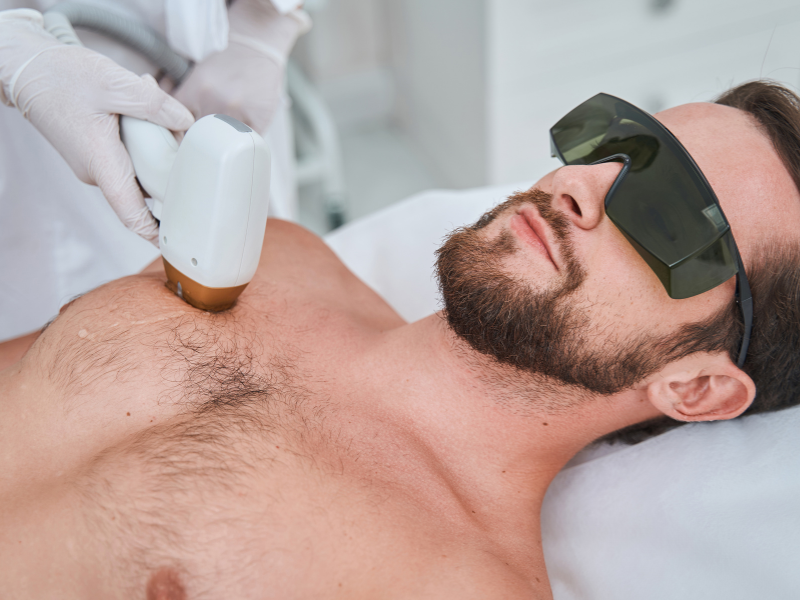

Laser epilation has become an effective method that has gained popularity in recent years. However, before starting this process, it is important to proceed consciously. The before and after laser processes each play a critical role in the success of the treatment and user satisfaction. We will examine in detail what should be considered during this process and how to prepare.
The first step is to understand how laser epilation works. This process aims to weaken hair follicles by targeting the melanin pigment under the skin. Since each individual’s skin type, hair color, and density are different, personalized planning is important. In this way, maximum efficiency and effectiveness can be achieved.
The points to be considered before and after laser epilation can increase the effectiveness of the treatment. Therefore, it is necessary to be careful at every stage of the process. In the following sections, we will take a closer look at these points.
Laser Epilation Before and After: What Should You Expect?
Preparation before laser epilation has a direct effect on the effectiveness of the treatment. First of all, we should remember that the skin should not be exposed to the sun. Sunburned or tanned skin may reduce the effectiveness of the laser and cause irritation. Therefore, it is important to protect yourself from the sun for at least two weeks before the treatment.
In addition, attention should be paid to skincare products used before epilation. Avoiding creams containing retinoids or chemical peeling products reduces skin sensitivity. It is also important to avoid methods that remove hair from the root (such as waxing or tweezing). This ensures that the follicles targeted by the laser remain intact.
After the treatment, some sensitivity may occur on the skin. Therefore, post-laser care recommendations should be considered. Moisturizing the skin and using soothing products can accelerate the healing process. Additionally, avoiding direct sunlight for the first few days after treatment is important.
How Does Laser Epilation Work?
Laser epilation is a process in which hair follicles are targeted using laser light. This light is absorbed by the melanin pigment under the skin and weakens the hair follicles. Over time, hair growth decreases and becomes thinner. This process can be adapted to various skin types and hair colors thanks to laser epilation applications.
Each treatment session may usually last from a few minutes to an hour. This duration may vary depending on the size of the treatment area and the density of the hair. A slight discomfort may be felt during the treatment, but it is generally tolerable.
The effectiveness of laser epilation may vary from person to person. The expected results during and after the treatment may differ depending on skin and hair characteristics. Therefore, a personal evaluation is recommended before starting the treatment.
Advantages of Laser Epilation Applications
One of the biggest advantages of laser epilation is that it offers long-term results. Hair becoming thinner and less dense can be achieved with regular treatment sessions. This provides more permanent results compared to temporary methods such as shaving or waxing.
In addition, laser epilation offers the opportunity to achieve fast and effective results on large areas. For example, application time is shorter on large areas such as legs or back. This provides an advantage in terms of time. The recovery time after treatment is also quite short, allowing daily routines to continue easily.
The treatment process can be customized individually. There are various laser types available for different skin types and hair colors. This allows more effective results by offering personalized solutions.
Tips for Those Who Will Get Laser Epilation in Ankara
Ankara has a wide range of options in terms of laser epilation services. However, choosing the right clinic is important to achieve the best results. Institutions such as Ankara Life Polyclinic provide quality service with their experienced expert staff and modern equipment.
There are several factors to consider when choosing a clinic. First, make sure that the clinic is managed by licensed and experienced specialists. It is also important to ensure that the equipment used is up-to-date and effective. Customer reviews and references can provide useful information during the selection process.
Before treatment, it may be useful to visit the clinic and talk to specialists. During these consultations, you can get detailed information about the treatment process, expected results, and possible side effects. This helps you make an informed decision.
Preparation Stages Before Laser Epilation
Preparation stages before laser epilation are critical for the success of the treatment. First, it is important to keep your skin clean and dry before treatment. In addition to sun protection, moisturizing your skin and keeping it healthy is also beneficial.
You should also avoid methods that remove hair from the root. This ensures that the follicles targeted by the laser remain intact. Shaving is a preferred method in this process because it does not damage the hair follicles. Shaving before treatment can increase the effectiveness of the laser.
Before starting the treatment, it is recommended to have a detailed consultation with your specialist. During this consultation, you should provide information about your skin type, medical history, and medications you use. This information plays an important role in creating the treatment plan.
Post-Laser Care Recommendations
Post-laser care supports the healing process of your skin and minimizes possible side effects. First of all, you should treat your skin gently after treatment. Side effects such as mild redness or swelling may occur; however, these usually pass in a short time.
Moisturizing your skin and using soothing creams can accelerate the healing process. Creams containing aloe vera or panthenol can help relax the skin. In addition, it is recommended to avoid sunlight for the first few days after treatment. If you need to go outside, you should use a high-protection sunscreen.
After treatment, you should avoid activities that may irritate your skin. Situations that cause sweating, such as hot showers, saunas, or intense exercise, may increase skin sensitivity. Staying away from such activities for a few days positively affects the healing process.
 Call
Call
 Whatsapp