



What is Benzamycin and What is it Used For?
Benzamycin is an antibacterial and peeling drug that is frequently prescribed for acne treatment. It contains erythromycin (an antibiotic) and benzoyl peroxide (a drying/peeling agent). This combination both reduces acne-causing bacteria and opens pores by removing dead cells from the upper layer of the skin.
Does It Affect Acne Scars?
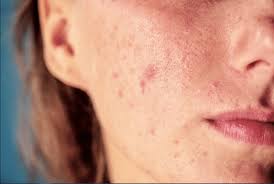
In fact, the main purpose of Benzamycin is to dry out acne and prevent the formation of new spots and scars. In other words, it does not directly affect scars. However, indirectly, when acne is quickly brought under control, the likelihood of spots on the skin decreases. Therefore, regular use in the early stages can prevent permanent scars on the skin.
What Should Be the Expectations for Existing Scars?
Benzamycin alone is not expected to provide sufficient treatment for dark-colored or hollow-shaped scars that have already remained on the skin. Since it slightly peels the skin, it can provide a slight opening in newly formed superficial redness. However, different treatments may be required for long-term and permanent scars.
Does Skin Dryness and Peeling Occur?
Benzamycin can cause significant dryness and occasionally peeling on the skin due to its benzoyl peroxide content. While this effect can contribute to lightening some scars, it can also cause irritation on sensitive skin. Therefore, moisturizing support is important when using it.
How and How Often Should It Be Used?
It is usually applied to clean skin in a thin layer twice a day, morning and evening. However, your doctor may reduce the frequency depending on the skin's reaction. It should be kept away from the eye area, lip corners and open wounds.
Alternative or Supportive Options
In the treatment of acne scars, vitamin C serums, creams containing niacinamide, retinoid treatments or professional procedures (laser, dermapen, chemical peeling) can be considered in addition to Benzamycin. Benzamycin is useful for controlling inflammation in the initial stages of this process.
It Should Be Used Under Doctor's Supervision
Skin structure, acne type and accompanying problems are individual. For this reason, products with effective ingredients such as Benzamycin should be evaluated and prescribed by a dermatologist. Incorrect or long-term use may cause skin irritation or resistance development.
 Call
Call
 Whatsapp