


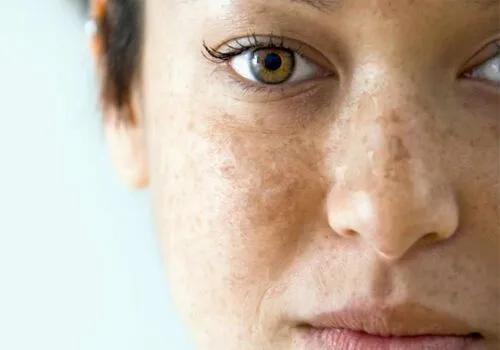

What are Acne Spots?
Acne spots are marks left on the skin after acne is treated. These spots can occur as a result of inflammation of the acne, damage to the skin, or squeezing the acne. Acne spots usually appear on the skin surface as red, purple, brown, or sometimes deeper marks. These spots can heal over time, but sometimes they can become permanent and cause aesthetic concerns.
Causes of Acne Spot Formation
The reason for the formation of acne spots is the deepening of the inflammatory condition on the skin. Squeezing the acne can further increase the inflammation and leave permanent marks on the skin. At the same time, hormonal changes, stress, improper skin care, or environmental factors can also cause acne spots. Therefore, it is important to help the healing process of the spot with the right treatment methods.
Methods Used in Acne Spot Treatment
There is more than one method in the treatment of acne spots. The treatment method varies depending on the type, size, and skin type of the spot. Here are the most effective acne spot treatment methods:
1. Laser Treatment
Laser treatment is one of the most common and effective methods in the treatment of acne spots. Laser beams target the pigments under the skin and help break down these pigments. Devices such as Fraxel laser or Q-switch laser reduce the appearance of acne spots and accelerate skin renewal. Laser treatment provides significant improvements on spots and gives the skin a smoother appearance.
2. Chemical Peeling
Chemical peeling is effective in removing acne spots by peeling the upper layer of the skin. Chemical acids cleanse the dead cells on the skin and renew the skin surface. Thanks to this process, acne scars are lightened. Chemical peeling helps equalize skin tone and reduces dark spots on the skin. Deep chemical peeling is especially used in the treatment of more permanent scars.
3. Microdermabrasion
Microdermabrasion is a method that gently peels dead cells and acne spots on the skin. This process is done with crystals applied to the skin surface with a thin device. Microdermabrasion smoothes the skin surface and lightens the appearance of spots. Since acne scars are more superficial, this treatment is usually preferred for light scars.
4. Mesotherapy
Mesotherapy is a treatment method performed by injecting vitamin, mineral and acid mixtures under the skin. Mesotherapy helps renew the skin and evens out its tone in the treatment of acne scars. It also helps to achieve a healthier and smoother appearance by increasing collagen production in the skin. This method is usually applied for several sessions and the results appear over time.
5. PRP (Platelet Rich Plasma)
PRP treatment is the injection of platelet-rich plasma obtained from the person's own blood under the skin. This treatment accelerates the healing process in the skin and reduces acne scars over time. PRP helps renew the skin and significantly lightens the appearance of acne scars by increasing collagen production.
6. Skin Care Products
Skin care products that can be applied at home play an important role in the treatment of acne scars. Brightening creams and serums, especially those containing vitamin C, niacinamide, and hydroquinone, help lighten skin blemishes. These products help even out skin tone and reduce blemishes when used regularly. However, it may take time to see results.
Post-Treatment Care
Skin care is very important after acne blemish treatment. The skin may become sensitive after treatment, so it is necessary to protect it from the sun. Applying sunscreen to the treated areas protects the skin and prevents the blemish from returning. In addition, the skin should be moisturized and should not come into contact with extremely hot water.
Duration and Results of Acne Blemish Treatment
The duration of acne blemish treatment varies depending on the treatment method used and the type of blemish. Professional methods such as laser treatment usually provide effective results within a few sessions. Treatments such as chemical peeling and mesotherapy can provide longer-term results and help renew the skin. However, the duration of treatment and results may vary from person to person, so dermatologist recommendations are important.
 Call
Call
 Whatsapp