


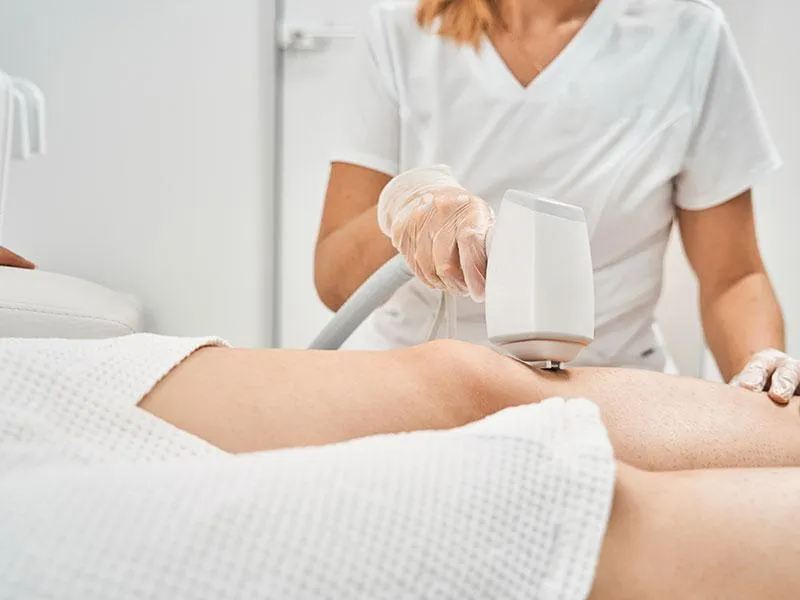

Ice laser hair removal is considered one of the more advanced developments in laser technology. This method incorporates a cooling system that helps enhance comfort during treatment. Choosing the most suitable ice laser device may influence both treatment efficiency and overall comfort.
These devices target melanin pigment within hair follicles to weaken them over time. As a result, hair regrowth may slow down gradually. The integrated cooling system helps reduce the sensation of heat during laser pulses, which may make the procedure more tolerable, even for sensitive skin types.
Laser hair removal offers a long-term hair reduction approach. However, results vary depending on individual skin tone and hair characteristics. A detailed skin analysis before treatment is recommended.
Advantages of Ice Laser Hair Removal
One of the primary advantages of ice laser systems is their cooling mechanism, which is designed to minimize discomfort. The cooling feature helps protect the skin surface while allowing laser energy to reach deeper layers.
Another benefit is compatibility with a wide range of skin tones and hair types. Ice laser devices often operate at adjustable wavelengths, making them adaptable to different needs.
Session durations may be relatively short depending on the treatment area. However, the total number of sessions required depends on individual hair density and skin type.
How Ice Laser Devices Work
Ice laser devices emit laser energy into the deeper layers of the skin, targeting melanin within hair follicles. This process may weaken the follicles and help extend the time between regrowth cycles.
The cooling system works before and during laser pulses, reducing heat sensation and supporting skin comfort. This may also help lower the likelihood of temporary irritation.
Modern ice laser systems are designed with adjustable parameters to accommodate various skin types. Device quality and technological features play a role in treatment performance, making professional evaluation important.
Types of Laser Hair Removal
Laser hair removal can be performed using different technologies:
Alexandrite Laser
Often preferred for lighter skin tones with darker hair due to effective melanin absorption.
Diode Laser
Suitable for a wide range of skin tones and capable of reaching deeper follicles.
Nd:YAG Laser
Commonly considered appropriate for darker skin tones because it penetrates deeper while reducing surface absorption.
Selecting the appropriate laser type depends on individual skin and hair characteristics. Consulting a professional in larger cities such as Ankara may help determine the most suitable approach.
Session Duration and Frequency
Treatment effectiveness depends on proper session timing and scheduling. Sessions are typically recommended every 4–8 weeks, depending on the hair growth cycle.
Smaller areas may require 15–20 minutes per session, while larger areas may take longer. After each session, gradual follicle weakening may be observed.
Clinics such as Ankara Life Polyclinic provide individualized treatment plans to help optimize efficiency and comfort throughout the process.
Laser Hair Removal Services in Ankara
Ankara offers numerous clinics providing advanced laser hair removal technologies. These centers aim to support patient expectations through professional evaluation and modern equipment.
Different devices are available depending on skin and hair characteristics. Reviewing clinic standards, hygiene practices, and professional expertise is recommended before choosing a provider.
What to Consider When Choosing an Ice Laser Device
Selecting the most suitable device may directly influence treatment quality. Key factors include:
-
Technology and Wavelength: Advanced systems with effective cooling mechanisms may enhance comfort.
-
Skin Compatibility: Devices should be appropriate for individual skin tone and hair structure.
-
Safety Certifications: International safety certifications may indicate compliance with established standards.
Professional consultation is recommended before undergoing treatment.
Post-Treatment Care
Proper aftercare helps support skin recovery and overall treatment progress.
-
Sun Protection: Avoid direct sun exposure and use high-SPF sunscreen if necessary.
-
Moisturizing: Gentle moisturizers may support skin comfort.
-
Avoid Harsh Products: Refrain from using exfoliating or irritating products immediately after treatment.
Because every skin type responds differently, aftercare recommendations should be personalized.
 Call
Call
 Whatsapp