


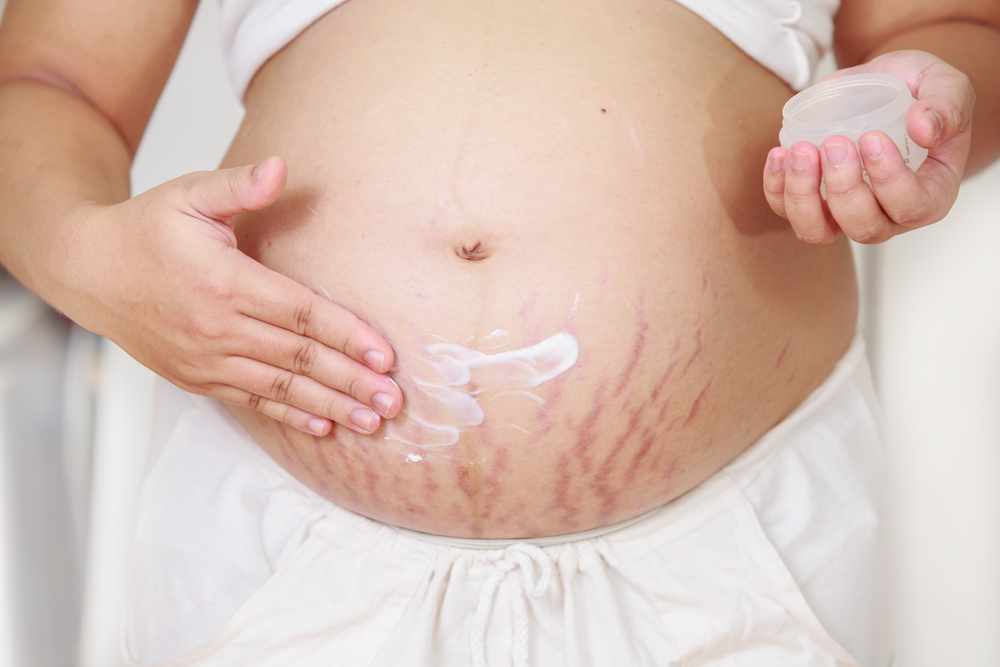

Stretch marks are distinctive lines and scars on the skin that may appear during pregnancy or after birth. This condition is quite common for many women and is considered a natural part of the pregnancy process. However, it is important to know more about the formation of birthmarks, their causes, effects and treatment methods.
What is Birth Stretch?
Stretch marks are long, red, pink or purple lines that form on the skin during pregnancy or after birth. These lines appear due to microscopic tears that occur when the skin stretches and expands. Birthmarks are a condition seen in approximately 90% of women and usually occur in the abdomen, chest, hips and legs.
Causes of Birth Stretch
The formation of birthmarks depends on various factors. Among them:
Rapid Weight Gain: Rapid weight gain during pregnancy can cause skin tightening and stretch marks.
Genetic Predisposition: It is known that some women are more prone to birthmarks. If your mother or close relatives experienced birth defects, you may be at risk for the same.
Skin Elasticity: Skin elasticity plays an important role in the formation of birthmarks. Women with less flexible and thin skin are at higher risk for stretch marks.
Age: Women who are younger at the time of pregnancy are at higher risk for birthmarks.
Multiple Pregnancy: Women carrying twins, triplets, or more babies are at higher risk for birthmark formation due to faster and greater weight gain.
Birth Stretch Symptoms
The most obvious symptom of birthmark is long, red, pink or purple lines on the skin. These lines usually appear in the late stages of pregnancy or after birth. Birthmarks may be itchy or tender at first, but over time their color changes to a paler appearance.
Effects of Birth Stretch
Birthmarks are generally perceived as a cosmetic problem. However, this condition can affect women themselves physically and psychologically. Birthmarks can make women feel insecure and dissatisfied with themselves, especially in the post-pregnancy period. Additionally, birthmarks can have negative effects on skin health and appearance.
Tips to Prevent Birth Stretch
To prevent birthmarks, you can follow these tips during and after pregnancy:
Regular Exercise: Regular exercise during pregnancy can help control weight gain and improve skin elasticity.
A Nutritious Diet: Consuming a diet rich in protein, vitamins and minerals during pregnancy can support skin health.
Skin Care: During and after pregnancy, regularly caring for the skin with moisturizers, oils and creams can reduce the occurrence of stretch marks.
Stress Management: Applying methods to cope with stress during and after pregnancy can prevent birthmarks due to its positive effects on skin health.
Controlling Weight Gain: Maintaining a healthy rate of weight gain during pregnancy can reduce the occurrence of birthmarks.
Birth Stretch Treatment Methods
Treatment of birth cracks can be carried out by various methods. Among them:
Topical Creams and Serums: During or after birthmark formation, it may be beneficial to use creams and serums containing ingredients such as vitamin E, coenzyme Q10, retinol, alpha hydroxy acids.
Laser Treatment: Different types of laser treatments can be applied to reduce birth stretch marks. These treatments can improve the appearance and color of stretch marks.
Microneedling: Creating controlled injuries to birth stretch marks using microneedle devices can improve the appearance of scars by stimulating the production of new collagen.
Chemical Peels: Chemical peels containing glycolic acid, salicylic acid or retinol can help reduce stretch marks.
Surgical Treatment: Surgical methods can also be used to improve the appearance of birth stretch marks. However, these treatments are generally considered a last resort.
Birth Stretch Creams and Products
Various creams, serums and other products can be used to treat birthmarks. Among them:
Creams Containing Vitamin E: Vitamin E can improve the appearance of birth stretch marks by supporting the skin renewal process.
Coenzyme Q10 Serums: Coenzyme Q10 can prevent the formation of birthmarks by strengthening the skin structure.
Products Containing Retinol: Retinol can reduce birth stretch marks by promoting cell renewal.
Peeling Products Containing Alpha Hydroxy Acid: Alpha hydroxy acids, such as glycolic acid or lactic acid, can improve the appearance of stretch marks by removing dead cells from the skin surface.
Moisturizer and Oil-Based Products: Used during and after pregnancy
 Call
Call
 Whatsapp