



Tattoo removal is performed in accordance with a treatment plan determined specifically for the individual. Taking into account factors such as the size, location, color and skin structure of the tattoo, a suitable laser type and treatment duration are determined for the individual. This procedure, performed by a professional skin and plastic surgeon, usually takes several sessions and a certain period of time is left between each session.
How is Tattoo Removal Done?
Tattoo removal is performed by following the steps below:
1. Preliminary Evaluation: First, the characteristics of the tattoo and the person's skin structure are evaluated by the skin specialist. The appropriate laser type and treatment duration are determined.
2. Cleaning the Area: The tattooed area is cleaned and sterilized before the procedure.
3. Local Anesthesia Application: To prevent discomfort that may occur during the tattoo removal process, local anesthesia is applied to the area.
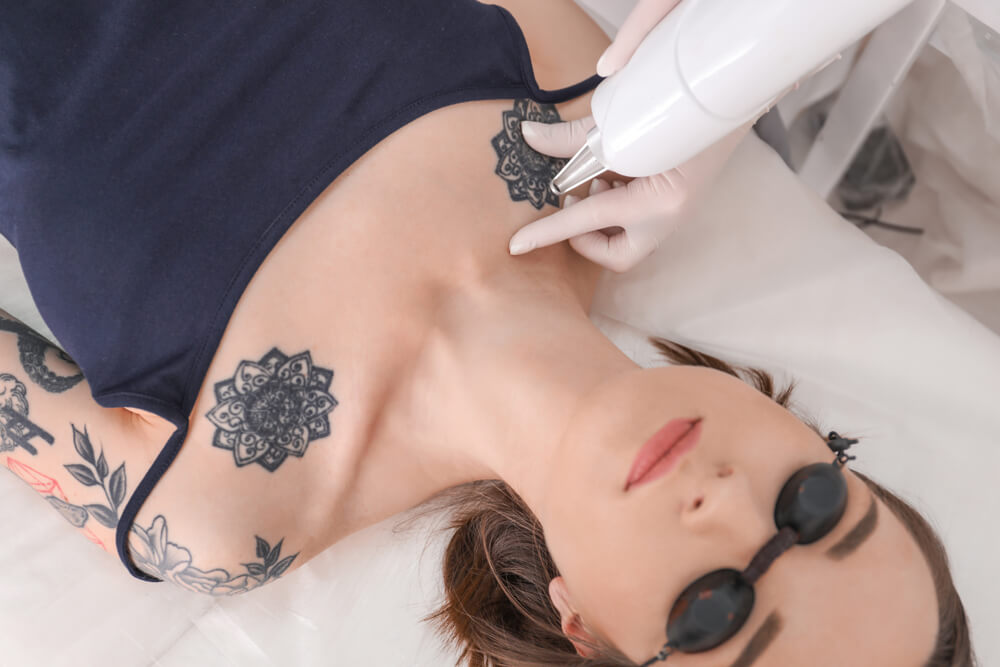
4. Laser Application: The specified laser type is moved precisely over the tattoo. Laser beams break down tattoo pigments, causing the tattoo to fade.
5. Cooling and Care: After the procedure, the area is cooled and appropriate care products are applied.
6. Control and Follow-up: The person is checked regularly after the procedure and additional sessions are planned when deemed necessary.
This process usually takes several sessions and a certain period of time is left between each session. Completing the tattoo removal process may take until the tattoo disappears completely.
What is Blistering After Tattoo Removal?
After tattoo removal, blistering (edema) may occur in the treated area. Blistering is a side effect that occurs after the procedure and is usually temporary.
Blisters are a natural consequence of tattoo removal. While laser beams break down tattoo pigments, they also damage skin tissue. This damage causes reactions such as inflammation and swelling in the area. Blisters are a result of these reactions.
What are the causes of blisters?
The main reasons for blisters after tattoo removal are:
7. Skin Damage: While laser beams break down tattoo pigments, they also damage skin tissue. This damage causes reactions such as inflammation and swelling in the area.
8. Inflammation: Tattoo removal causes inflammation in the skin tissue. Inflammation causes blood vessels to dilate and leak fluid, causing blisters.
9. Lymphatic System Damage: Laser beams can also affect the lymphatic system. Damage to the lymphatic system can disrupt the balance in fluid distribution, causing blisters.
10. Personal Factors: Some people's skin structure may be more sensitive to tattoo removal. Factors such as age, skin type, and health condition can also increase the risk of blisters.
What are the symptoms of blisters?
The main symptoms of blisters after tattoo removal are:
• Swelling: Swelling and blistering occur in the treated area.
• Redness: Redness and tenderness occur in the area.
• Pain: Pain and discomfort may be felt in the swollen area.
• Temperature: The treated area may feel warmer than body temperature.
• Itching: Itching and discomfort may be felt in the area.
These symptoms usually appear within the first few days after the procedure and begin to decrease within a few days.
How to Treat Blisters?
The following methods can be applied to treat blisters that occur after tattoo removal:
11. Cold Application: Applying ice or cold compress to the swollen area helps reduce inflammation and swelling.
12. Drug Treatment: Painkillers, antihistamines or anti-inflammatory drugs can be used with the doctor's recommendation.
13. Bandage Application: Applying a light bandage to the swollen area can help control fluid distribution.
14. Topical Creams: Topical creams recommended by the doctor can be effective in reducing swelling and redness.
15. Massage Application: Light massage movements can reduce blisters by improving fluid distribution.
16. Rest: Resting the swollen area can speed up the healing process.
These treatment methods may vary depending on the severity of the blister and the person. It is important to apply it in accordance with the doctor's recommendations.
Important Tips and Tips for Blisters
Important tips and suggestions regarding blisters after tattoo removal include:
• Keeping the area cool after the procedure helps reduce swelling and pain.
• Regularly using the medications recommended by the doctor accelerates the healing process.
• Keeping the area clean and dry reduces the risk of infection.
• It is important to rest the swollen area and avoid movement.
• Topical creams recommended by the doctor may be effective in reducing swelling and redness.
• Having regular check-ups allows you to follow the healing process closely.
• Maintaining a healthy lifestyle promotes healing.
What Should Be Done to Prevent Blisters After Tattoo Removal?
Avoid blisters after tattoo removal
Blisters After Tattoo Removal
Free Information,
Consultation and Appointment Request
 Call
Call
 Whatsapp