


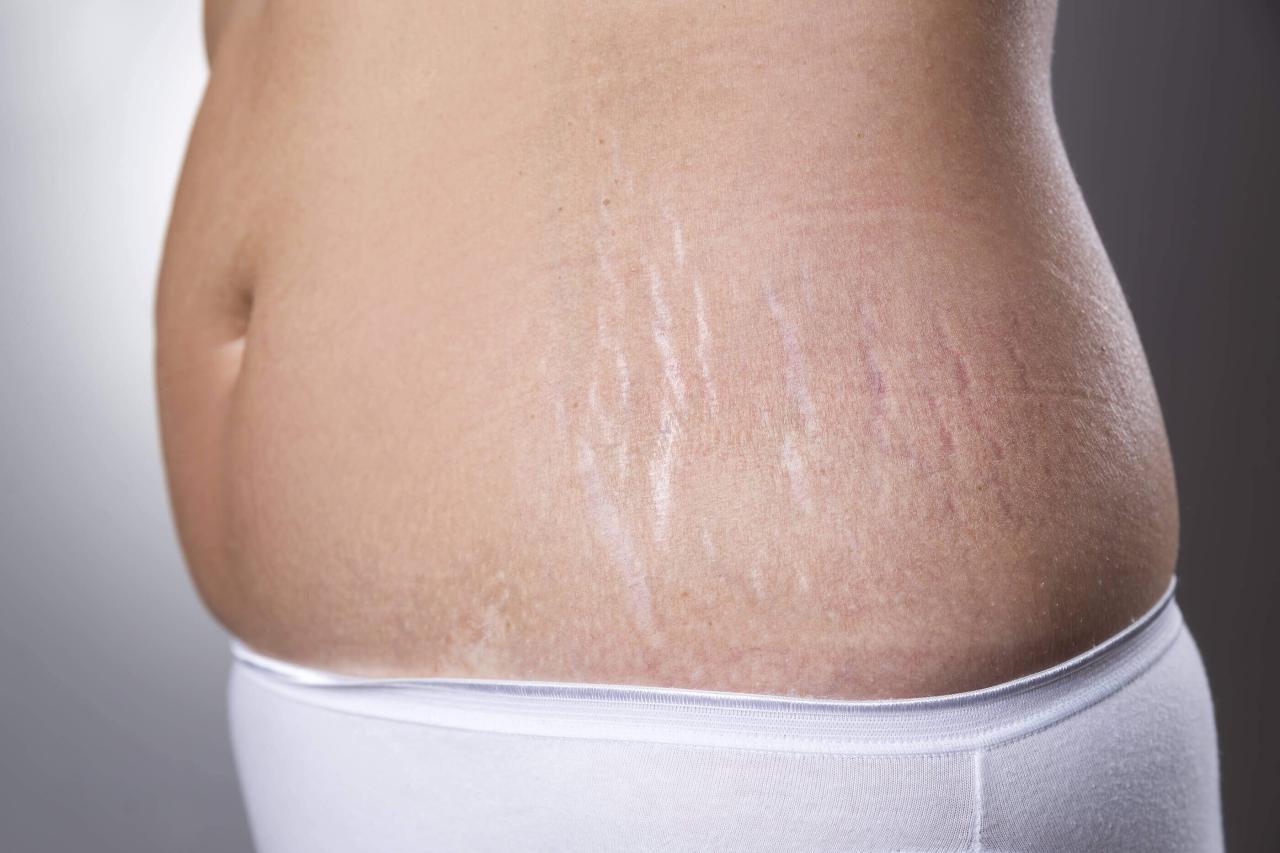

Body stretch marks are defined as line-shaped cracks that occur as a result of abnormal expansion and stretching of the skin layers. These cracks, which usually appear in red, pink or purple colors, cause the skin to lose its elasticity and shine. Body stretch marks usually occur for reasons such as pregnancy, rapid weight gain or loss, adolescence and genetic factors.
Body stretch marks should not be seen as just a cosmetic problem. They are also important for skin health. These cracks can lead to the disruption of the skin barrier and various infections. Therefore, body stretch marks need to be addressed and treated correctly.
I can say that I have also struggled with body stretch marks in the past. However, I have overcome this problem with the right care and treatment methods. Based on these experiences, I would like to present a comprehensive guide to body stretch marks to you, our valued readers.
Causes of Body Stretch Marks Many factors play a role in the formation of body stretch marks. The main ones are as follows: Rapid Weight Changes: In cases such as pregnancy, excessive weight gain or loss, the skin suddenly expands or contracts, which causes stretch marks to form.
Hormonal Changes: Hormonal changes that occur during pregnancy, puberty, and corticosteroid use can affect skin elasticity and pave the way for stretch marks.
Genetic Factors: Some people's skin may be more prone to stretch marks. If stretch marks run in your family, you may be at risk.
Nutritional Deficiencies: Not getting enough vitamins, minerals, and proteins can negatively affect skin health and contribute to the formation of stretch marks.
Aging: With age, collagen and elastin fibers in the skin decrease, leading to loss of skin elasticity and the formation of stretch marks.
Factors That Irritate the Skin: Factors such as excessive sun exposure, smoking, and stress can also disrupt skin health and cause stretch marks.
Being aware of these causes and taking precautions appropriate to your personal situation is important in preventing or reducing the formation of stretch marks.
Types of Body Stretch Marks There are various types of body stretch marks. These are: Pregnancy Stretch Marks: Stretch marks that occur during pregnancy and are usually seen in the abdomen, breast, hip, and thigh areas.
Puberty Stretch Marks: Stretch marks that appear during puberty, especially during growth. They are often seen in the chest, back, hips and thighs.
Weight Change Stretch Marks: Stretch marks that occur during rapid weight gain or loss. They are common in the abdomen, hips, thighs and chest areas.
Steroid Use Stretch Marks: Stretch marks that occur due to long-term corticosteroid use. They are usually observed in the abdomen, back and leg areas.
Aging Stretch Marks: Stretch marks that occur as a result of decreased skin elasticity with age, and are usually seen in the abdomen, hips and leg areas.
Genetic Stretch Marks: Stretch marks that occur in some people due to higher risk, and are mostly seen in the abdomen, back, hips and leg areas.
Each type of stretch mark has its own characteristics and treatment approaches. Correct diagnosis and determination of appropriate treatment methods are extremely important for the healing and prevention of stretch marks.
Treatment of Body Stretch Marks There are various approaches in the treatment of body stretch marks. These are: Topical Treatments: Moisturizers: Helps to heal stretch marks by strengthening the skin barrier.
Retinoids: Accelerates cell renewal and reduces the appearance of stretch marks.
Vitamins C and E: Supports skin health with antioxidant effects.
Alpha Hydroxy Acids: Smoothes the skin surface and improves the appearance of stretch marks.
 Call
Call
 Whatsapp