



What Are Brown Acne Spots and How Do They Go Away?
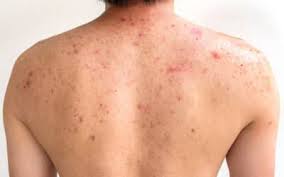
Brown acne spots are dark marks left on the skin after acne heals. Medically known as "Post-Inflammatory Hyperpigmentation" (PIH). These spots usually occur as a result of increased melanin production in the skin. They can be more noticeable, especially in people with dark skin.
Why Do Brown Acne Spots Form?
Brown acne spots occur during the healing process of acne or wounds on the skin. Inflammatory acne or improperly treated acne in particular can lead to hyperpigmentation on the skin.
Factors That Cause Brown Spots to Form:
Inflammation:
Inflammation of the skin triggers melanin production. Inflammatory acne in particular can leave dark spots on the skin after it heals.
Squeezing Pimples:
Popping or squeezing pimples can cause irritation and trauma to the skin. This triggers the skin's self-protection mechanism, increasing melanin production.
Sun Exposure:
Sun rays can increase melanin production in the skin, causing brown spots to become more visible. This risk increases even more when sunscreen is not used, especially during acne treatment.
Hormonal Changes:
Puberty, pregnancy or hormonal disorders can increase melanin production, causing dark spots to appear on the skin.
Using the Wrong Product:
Products that are not suitable for your skin type or that cause irritation can trigger the formation of brown spots.
How to Get Rid of Brown Acne Spots?
Removing brown acne spots is a process that requires patience. The healing time of the spots may vary from person to person and this process can take weeks or even months. However, it is possible to lighten the appearance of spots by using the right products and treatment methods.
1. Topical Products
Vitamin C Serums:
Vitamin C, a powerful antioxidant, can help balance melanin production in the skin. It also brightens the skin and reduces the appearance of spots.
Retinoids:
Vitamin A derivatives such as retinol and tretinoin accelerate the renewal of skin cells and lighten the appearance of spots. However, they require regular use and should be used with sunscreen.
Niacinamide:
Reduces the transfer of melanin in the skin and lightens the appearance of hyperpigmentation. It also strengthens the skin's barrier functions.
Azeleic Acid:
Controls melanin production in the skin and reduces inflammation. It can be a suitable option especially for sensitive skin.
Hydroquinone:
It can reduce the appearance of brown spots by suppressing melanin production. However, long-term use is not recommended and should be used under the supervision of a doctor.
2. Chemical Peeling
Chemical peelings peel the upper layer of the skin, allowing new and healthier skin cells to emerge. Peels containing alpha hydroxy acid (AHA) and beta hydroxy acid (BHA) are especially effective in the treatment of hyperpigmentation.
Glycolic Acid: Cleans dead cells on the skin surface and accelerates skin renewal.
Salicylic Acid: Cleanses pores, reduces oil on the skin and is especially suitable for oily skin.
3. Laser Treatment
Laser treatment can be effective in the treatment of stubborn and deep brown spots. Laser beams target the melanin pigment and balance the skin tone. However, this method should be applied by a professional dermatologist.
4. Microdermabrasion
Microdermabrasion is a treatment method that gently peels the upper layer of the skin. Cleaning the dead cells on the skin can help spots heal faster.
5. Mesotherapy
This method, which is done by injecting vitamins, minerals and antioxidants under the skin, can accelerate the skin's renewal process and lighten the appearance of spots.
Home Methods for Brown Spots
Natural methods that can be applied at home can also lighten the appearance of brown spots. However, the effect of these methods is usually mild.
Aloe Vera: Soothes the skin and supports cell renewal.
Honey: Improves the skin thanks to its antibacterial and anti-inflammatory properties.
Lemon Juice: It can balance skin tone because it is rich in vitamin C. However, applying it directly to the skin can cause irritation, so it should be used diluted.
What Should Be Done to Prevent Brown Spots?
Using Sunscreen: It is very important to use SPF 30 or higher sunscreen every day, especially during the treatment process.
Not Irritate the Skin: Avoid squeezing pimples or using irritating products.
Regular Skin Care: Regular care using products suitable for your skin type can help prevent the formation of new spots.
Conclusion
Brown acne spots are usually temporary and can be reduced in appearance with the right treatment methods. Options such as topical products, chemical peels and laser treatment can speed up this process. If your spots do not go away or become darker, it is important to consult your dermatologist to evaluate appropriate treatment methods.
 Call
Call
 Whatsapp