



Lip filling is preferred to improve the appearance of people with thinner or asymmetrical lips. It also helps restore lip volume, which decreases with aging. When applied safely and effectively, this procedure provides a natural and aesthetic appearance.
What Causes Bruising After Lip Filling?
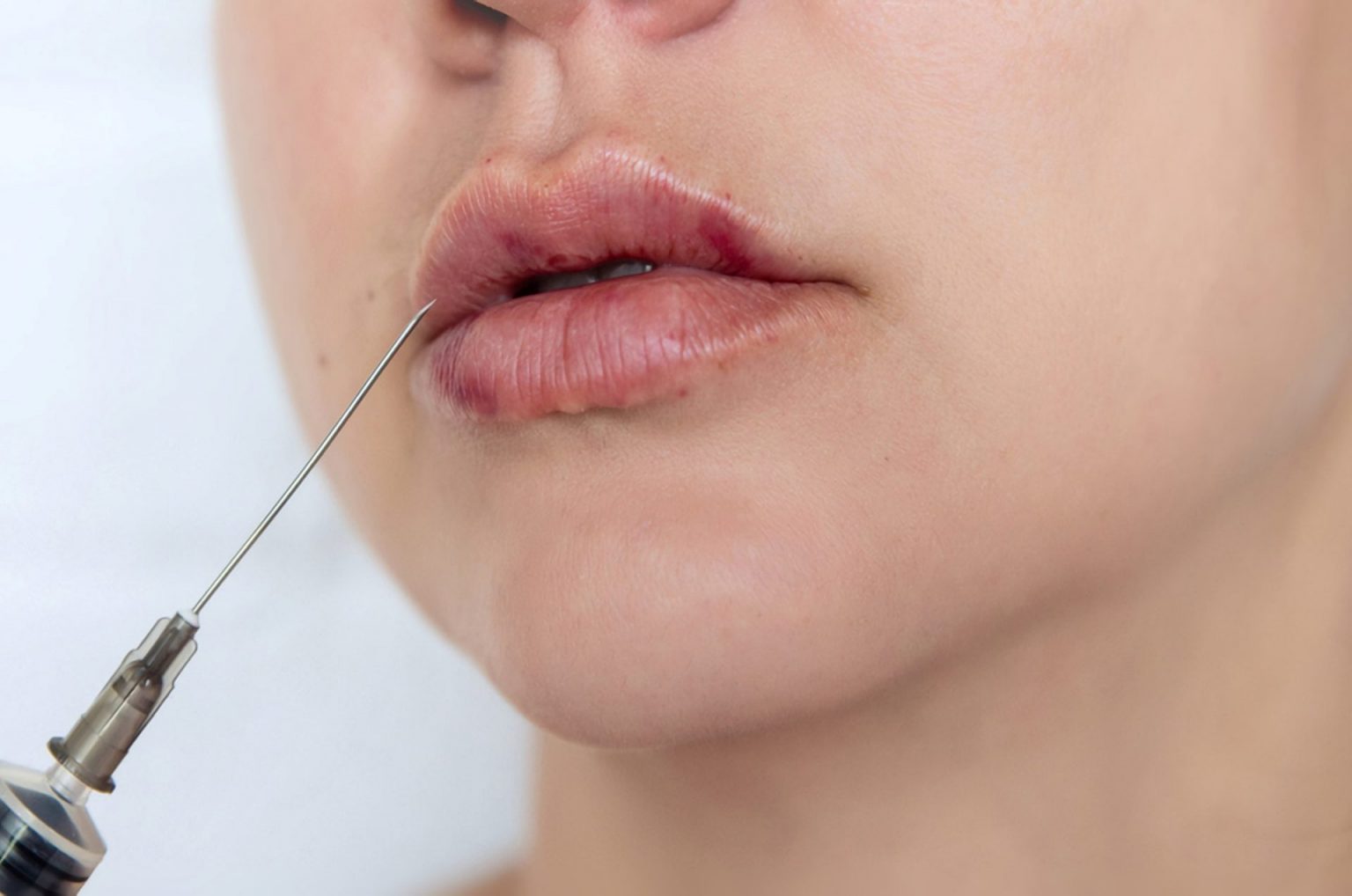
Bruising after lip filler may be a natural consequence of the procedure. This may occur due to the following reasons:
1. Temporary Expansion of Blood Vessels: After lip filler, blood vessels may temporarily dilate. This may cause appearances such as bruising or redness on the lips.
2. Tissue Damage: During the application of the filler, slight damage to the lip tissue may occur. This damage may result in temporary bruising.
3. Allergic Reaction: Some people may have an allergic reaction to the filler used. This may lead to symptoms such as bruising or swelling of the lips.
4. Application Technique: If the wrong technique is used when applying the filler, blood vessels may be damaged. This may result in bruising.
How to Prevent Bruising After Lip Filling?
The following precautions can be taken to prevent bruising that may occur after lip filling:
5. Choose an Experienced Specialist: Make sure that the specialist who will perform the lip filler procedure has sufficient experience and expertise.
6. Filler Selection: Proper filler selection can reduce the risk of bruising. Hyaluronic acid-based fillers are generally safer.
7. Application Technique: Correct technique should be used when applying the filler. This allows you to achieve a natural look without damaging blood vessels.
8. Cold Application: Applying cold to the lips after the procedure can help blood vessels contract and reduce bruising.
9. Medication Use: Some medications may increase the risk of bruising. Talk to your doctor about your medication use before the procedure.
10. Proper Care: After the procedure, proper care and protection of the lips can contribute to the reduction of bruising.
How Long Does Bruising Last After Lip Filling?
Bruising after lip filler usually disappears on its own within 7-10 days. However, in some cases, bruising may last longer:
• Blood Clotting Disorders: Bruising may last longer in people with blood clotting disorders.
• High Blood Pressure: High blood pressure can cause bruising to last longer.
• Medication Use: Some medications can cause bruising to last longer.
• Age: In older people, bruising may last longer due to changes in the skin and blood vessels.
If the bruising does not disappear within 2 weeks, it is recommended to consult your specialist immediately.
Bruising Treatment After Lip Filling
Treatment of bruising after lip filler is usually carried out with conservative methods:
11. Cold Application: Applying cold to the lips after the procedure helps the blood vessels to contract and reduce bruising.
12. Anti-Inflammatory Drugs: Anti-inflammatory drugs can be used in accordance with your doctor's recommendation, thus reducing swelling and bruising.
13. Massage: Light massage applications can contribute to faster healing of bruising by increasing blood circulation.
14. Cosmetic Products: Cosmetic products that have a concealing effect on bruising can be used.
If bruising is severe or concerning, it is recommended that you contact your specialist immediately. In some cases, more advanced treatment methods may be required.
Frequently Asked Questions About Bruising After Lip Filling
Question 1: Is bruising normal after lip filler? Yes, temporary bruising after lip filler is normal. This bruising usually goes away on its own within 7-10 days.
Question 2: When does bruising begin? Bruising usually begins immediately after the filling procedure or within a few hours.
Question 3: How long does bruising last? In most cases, bruising goes away on its own within 7-10 days. However, in some cases, bruising may last longer.
Question 4: How to prevent bruising? Bruising can be prevented by an experienced specialist by using the correct application technique, selecting the appropriate filler and applying cold after the procedure.
Question 5: How is bruising treated? Bruising treatment is usually carried out with conservative methods such as cold application, anti-inflammatory medications and massage.
Tips on Bruising After Lip Filling
15. Choose an Experienced Specialist: Make sure that the specialist who will perform the lip filler has sufficient experience and expertise.
16. Use Appropriate Fillers: Hyaluronic acid-based fillers are generally safer.
17. Correct Application Technique: When applying the filler, a natural appearance should be achieved without damaging the blood vessels.
18. Cold Application After the Procedure: Applying cold to the lips helps reduce bruising.
19. Control Medication Use: Some medications can increase the risk of bruising, so talk to your doctor.
20. Apply
Bruising After Lip Filling
Free Information,
Consultation and Appointment Request
 Call
Call
 Whatsapp