


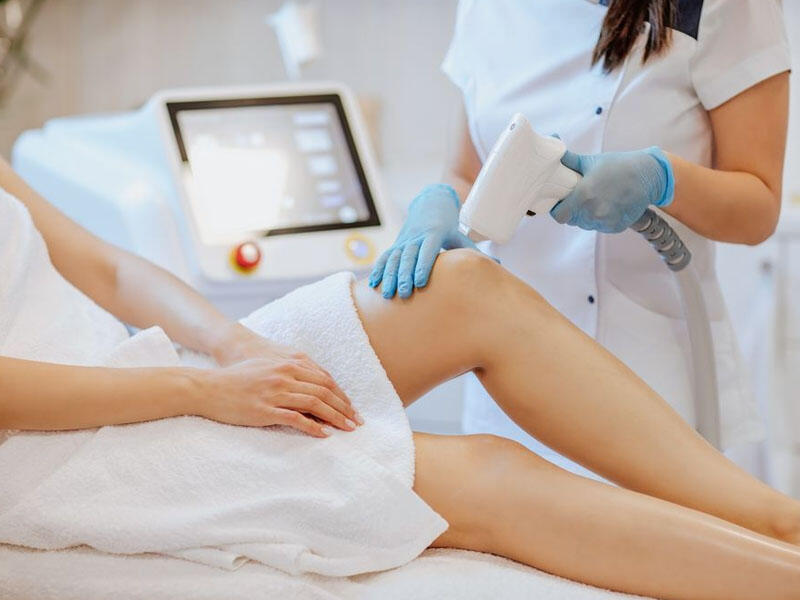

The question can a breastfeeding mother have laser hair removal is a common concern for many women who want to resume their personal care routine after childbirth. Laser hair removal is widely known as an effective method for reducing unwanted hair. However, it is important to understand the safety of such procedures during the breastfeeding period.
What Is Laser Hair Removal?
Laser hair removal is a method that aims to reduce hair by directing concentrated light beams toward hair follicles. This procedure usually requires several sessions and may slow down the regrowth of hair. Today, laser hair removal has become a widely preferred option for many individuals.
The main goal of laser hair removal is to target the pigment in the hair follicles, which may damage the roots and delay hair regrowth. Over time, this process may result in thinner and less dense hair. However, since every person’s skin and hair structure is different, results may vary from individual to individual.
There are several types of laser technologies designed for different skin tones and hair types. The type of laser used is determined according to factors such as skin tone, hair characteristics, and the treatment area. For this reason, consulting a specialist before undergoing laser hair removal is recommended.
Safety of Laser Hair Removal During Breastfeeding
The safety of laser hair removal during breastfeeding is an important concern for many mothers. In general, laser hair removal is not believed to have a direct effect on breastfeeding. However, some specialists suggest that the skin may be more sensitive during this period, which means extra caution may be required.
The light used during laser hair removal mainly affects the surface of the skin and does not reach deeper tissues. Therefore, it is generally considered unlikely to have a direct effect on breast milk. Nevertheless, consulting a healthcare professional before the procedure is always a sensible approach.
Some mothers may worry that laser hair removal could cause irritation or sensitivity during breastfeeding. While such side effects are typically mild and temporary, each individual’s skin may respond differently. For this reason, it is important to receive detailed information about post treatment skincare and potential side effects.
Can Laser Hair Removal Cause Loss of Sensation?
Another common question is can laser hair removal cause loss of sensation. The primary goal of laser hair removal is to target hair follicles without damaging the surrounding skin. Therefore, loss of sensation during or after the procedure is generally not expected.
During the treatment, a mild stinging or warming sensation may occur. However, this feeling is usually temporary and fades quickly after the procedure. Depending on the skin type and the type of laser used, some individuals may experience mild redness or sensitivity.
If unexpected numbness or prolonged discomfort occurs after the procedure, it is recommended to consult a specialist promptly. Although such reactions are rare, proper care and professional guidance can help resolve them quickly.
Laser Hair Removal Applications and Types
Laser hair removal can be performed using different technologies suitable for various skin and hair types. The most commonly used laser hair removal methods include Alexandrite, Nd:YAG, and Diode lasers. Each has its own advantages and treatment applications.
Alexandrite Laser: Usually effective for individuals with lighter skin tones. It offers relatively fast treatment sessions but may not be recommended for darker skin tones.
Nd:YAG Laser: Suitable for individuals with darker skin tones and capable of reaching deeper hair follicles. This allows it to be used for a wider range of patients.
Diode Laser: Can be used on both lighter and darker skin tones. Its range of wavelengths allows it to provide effective results for different hair structures.
Each laser technology has its own advantages and limitations. Therefore, consulting a specialist and selecting the most suitable option according to your skin type is recommended.
Laser Hair Removal Session Duration and Frequency
The duration and frequency of laser hair removal sessions may vary depending on the treatment area and the individual’s hair structure. Typically, the first sessions are scheduled closer together, while later sessions may be spaced further apart.
A typical laser hair removal session may last between 15 minutes and 1 hour, depending on the size of the treatment area. Smaller areas such as the face may be completed quickly, while larger areas such as the legs or back may take longer.
Session intervals are generally around 4 to 6 weeks, aligning with the natural hair growth cycle. With each session, hair follicles may weaken and regrowth may gradually decrease. However, results may vary between individuals, and patience is often required for optimal outcomes.
Advantages and Disadvantages of Laser Hair Removal for Breastfeeding Mothers
For breastfeeding mothers, laser hair removal may have both advantages and disadvantages. Among the advantages are long term hair reduction, time efficiency, and reliable outcomes. However, certain considerations should also be taken into account.
Advantages
Long Term Reduction: With regular sessions, laser hair removal may help reduce hair regrowth and support smoother skin over time.
Time Saving: It may reduce the need for frequent hair removal routines.
Reliable Results: Treatments performed in professional clinics may increase the likelihood of achieving desired results.
Disadvantages
Skin Sensitivity: During breastfeeding, the skin may be more sensitive, which could lead to temporary irritation or redness after treatment.
Cost: Laser hair removal may be more expensive than some other hair removal methods, especially when multiple sessions are required.
Time Commitment: Achieving desired results usually requires regular sessions and waiting periods between treatments.
In conclusion, if you are considering laser hair removal at a reliable center such as Ankara Life Polikliniği, it is recommended to first consult specialists and create a treatment plan suitable for your skin type. During the breastfeeding period, obtaining detailed information will help you choose the safest and most appropriate option for your personal situation.
 Call
Call
 Whatsapp