



Tattoo removal is the process of removing or reducing tattoo marks on the skin. Tattoo removal can be performed using laser technology, chemical creams or surgical methods. Tattoo removal can be applied by different methods depending on the person's desire to get rid of the tattoo.
Methods of Tattoo Removal
There are various methods for tattoo removal. The most popular among them are:
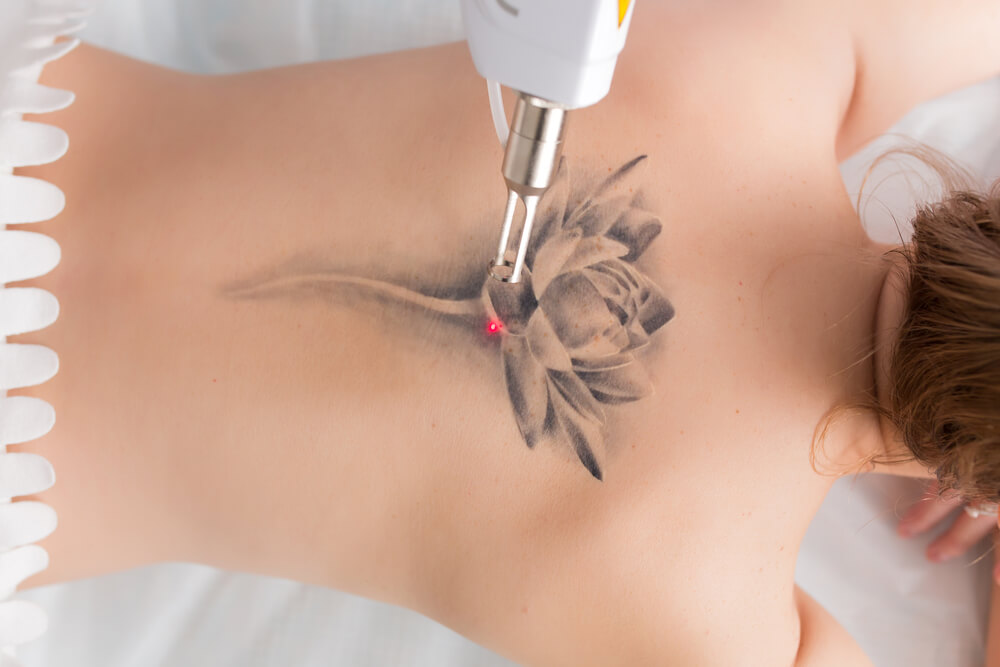
1. Laser Tattoo Removal: Laser tattoo removal is the most effective method used to remove a tattoo by breaking down the pigments on the tattoo. Although the laser procedure requires several sessions, it can completely remove the tattoo.
2. Tattoo Removal Cream: Tattoo removal creams are used to reduce the tattoo by chemically breaking down the pigments on the tattoo. Although this method is less invasive, it may not remove the tattoo completely.
3. Tattoo Removal Surgery: Tattoo removal surgery is the process of surgically removing a tattoo. This method can completely remove the tattoo, but it is more risky and invasive than other methods.
Each method has advantages and disadvantages. The choice of tattoo removal may vary depending on factors such as the tattoo's size, color, location, and the person's preferences.
Laser Tattoo Removal
Laser tattoo removal is the most popular and effective method of tattoo removal. In this method, high-intensity light waves are used to break down the pigments on the tattoo and remove them from the body.
Laser tattoo removal usually requires several sessions. Each session may take different durations depending on the size, color and location of the tattoo. During the tattoo removal process, patients may experience a slight burning sensation or discomfort.
Laser tattoo removal method can completely remove the tattoo. However, factors such as the size, color and location of the tattoo may have an impact on the result. In some cases, it may not be possible to completely remove the tattoo.
Tattoo Removal Cream
Tattoo removal creams are a method used to reduce tattoos by chemically breaking down the pigments on the tattoo. These creams are applied to the tattoo, left for a certain period of time and then washed.
Although tattoo removal creams are less invasive than the laser method, they may not completely remove the tattoo. Tattoo removal creams are generally more effective for reducing small and dark tattoos.
The use of tattoo removal creams may also cause some side effects. Side effects such as skin irritation, redness or burning sensation may occur. Therefore, it is important to consult with a dermatologist or esthetician before using a tattoo removal cream.
Tattoo Removal Surgery
Tattoo removal surgery is the process of surgically removing a tattoo. This method can completely remove the tattoo, but it is more risky and invasive than other methods.
Tattoo removal surgery is usually performed under local anesthesia. The skin over the tattoo is surgically removed and the skin is closed. This process may take different periods of time depending on the size and location of the tattoo.
Tattoo removal surgery can provide more permanent results than other methods. However, this method is more risky and scar formation, infection and other complications may occur. Therefore, the decision for tattoo removal surgery should be made after careful evaluation.
How Long Does Tattoo Removal Take?
The duration of the tattoo removal process may vary depending on the method used, size, color and location of the tattoo.
Laser tattoo removal can usually take between 15-30 minutes. However, for larger tattoos or dark colored tattoos the processing time may be longer. Tattoo removal requires several sessions.
Using tattoo removal cream may take less time. The application and waiting time of the cream on the tattoo can be approximately 30-60 minutes.
Tattoo removal surgery usually takes 1-2 hours, depending on the size and location of the tattoo. There is also a recovery period after the surgical procedure.
Care Recommendations After Tattoo Removal
After tattoo removal, there are some care recommendations for skin healing and reducing the risk of infection:
4. Dressing and Cleaning: After tattoo removal, the area should be kept clean and dry. Dressing and cleaning procedures recommended by the doctor should be carried out regularly.
5. Watch for Signs of Inflammation: If signs of inflammation such as redness, swelling, pain or discharge occur, a doctor should be consulted immediately.
6. Sun Protection: The tattoo removal area should be protected from the sun during the healing process. Use of sunscreen is recommended.
7. Hydration: Moisturizers recommended by the doctor should be used to keep the skin moist.
8. Physical Activity: Physical activities should be avoided during the healing process of the tattoo removal area.
Can a tattoo be removed?
Free Information,
Consultation and Appointment Request
 Call
Call
 Whatsapp