


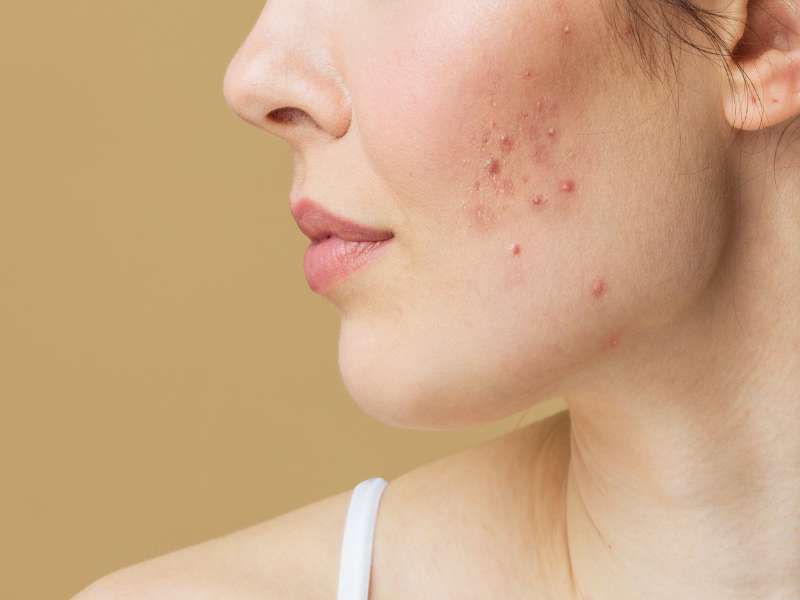

Acne Scar Treatment includes procedures intended to reduce the visible appearance of marks and textural changes left after acne. These scars usually develop after inflammation affects the skin and its normal healing process. Treatment options may include chemical peels, laser procedures, microneedling, subcision, or other techniques. The main goal is to improve the appearance of selected scars and uneven skin texture rather than guarantee complete removal.
The choice of treatment depends on scar type, scar depth, skin characteristics, and whether active acne is still present. Chemical peeling may be useful for selected superficial concerns, while deeper scars may require other approaches such as laser, microneedling, subcision, or combination treatments. Ankara Laser procedures should therefore be selected according to the individual rather than assuming that one method is always best for deeper scars.
Treatment duration and response vary from person to person. More than one session may be required, and results depend on skin characteristics and the treatment method used. Appropriate moisturization and sun protection may support recovery during treatment, but they do not guarantee a specific result.
What Is Active Acne Treatment?
Active acne treatment focuses on controlling current acne lesions and reducing the development of new inflammatory lesions. Treatment may aim to reduce follicular blockage, inflammation, excess sebum activity, and acne-related bacterial activity. Options may include topical products, oral medications, and an appropriate skin care routine.
The treatment method depends on acne severity and individual skin characteristics. Mild acne may sometimes be managed with topical treatments, while moderate or severe acne may require oral antibiotics, hormonal therapies, retinoids, or other prescription medications. These treatments primarily address active acne and should not be considered direct treatments for established Acne & Pimple Scars.
A gentle and consistent skin care routine can support treatment. Cleansing, suitable moisturization, and sun protection may be useful according to individual skin needs. Nutrition and lifestyle can support general health but should not be expected to determine the success of acne treatment on their own.
Differences Between Acne Scar Treatment and Active Acne Treatment
There are important differences between acne scar treatment and active acne treatment. Acne scar treatment focuses on persistent changes left after previous acne, while active acne treatment aims to control current lesions and reduce the risk of new breakouts. Because these conditions have different treatment goals, the methods used may also differ.
Scar-focused treatments commonly involve procedures that promote controlled skin remodeling, while active acne treatment often relies more on anti-inflammatory, keratolytic, hormonal, or antimicrobial therapies. For example, laser procedures used for Acne Scar Treatment may target textural changes, while antibiotics used for active acne primarily target inflammatory acne-related processes.
Another difference is treatment timing. Active acne treatment may continue for a longer period, while scar treatment is often planned in sessions after the acne is sufficiently controlled. However, some medical acne treatments may continue while scar management is being planned, depending on the products, procedures, and individual skin response.
Can Both Treatments Be Performed at the Same Time?
Active acne and acne scars can sometimes be managed during the same overall treatment period, but this does not mean that every procedure should be performed on active inflammatory acne at the same time. In many cases, controlling significant active acne first is the safer priority, especially before procedures that create controlled injury in the skin.
Managing both concerns together may be possible when the methods are compatible. For example, medical treatment for active acne may continue while scar-focused procedures are planned for suitable areas or a later stage. However, this approach does not automatically produce faster results, and treatment timing should be based on skin condition rather than convenience alone.
Combination treatment may be useful when carefully individualized. Active acne treatment can help reduce new inflammatory lesions and lower the risk of additional scarring, while scar treatment may later address persistent textural changes. The exact sequence depends on acne severity, scar type, medications being used, and the planned procedure.
Possible Disadvantages of Treating Both at the Same Time
Although combined treatment may be appropriate in selected cases, there are also potential disadvantages. Using several active treatments at the same time can increase irritation, dryness, sensitivity, or inflammation. This is particularly important when procedures such as chemical peels, lasers, or microneedling are combined with strong topical acne medications.
Treating both conditions during the same period may also increase the overall cost of care. The number of sessions, medications, products, and follow-up visits can influence treatment expenses. For this reason, treatment should be prioritized according to medical need rather than cost or speed alone.
Both active acne and acne scars should be managed with professional guidance when procedural treatment is being considered. Inappropriate combinations may increase irritation or delay recovery. A dermatologist can help determine which treatments can safely overlap and which should be separated in time.
Which Treatment Methods May Be Combined?
Some active acne treatments and scar treatments may be used within the same overall treatment plan, but the combinations should be individualized. Examples may include:
- Chemical Peeling and Topical Treatments: Some superficial peels may be used in selected acne treatment plans, but retinoids, acids, benzoyl peroxide, or other irritating topical products may need to be paused before or after the procedure.
- Laser Treatment and Acne Skin Care: Selected Ankara Laser procedures may be considered for scars once active inflammation is appropriately controlled. Gentle acne skin care may continue, while stronger active products may need temporary adjustment.
- Microneedling and Active Acne Treatment: Microneedling is generally not performed directly over significant active inflammatory acne. Active acne should usually be controlled first, after which microneedling may be considered for suitable residual atrophic scars.
For this reason, the question is not simply which treatments can technically be combined, but whether the skin is in an appropriate condition for that combination.
What Should Be Considered During Acne Scar and Active Acne Treatment?
Several factors should be considered when both active acne and acne scars are present. A gentle skin care routine, appropriate cleansing, moisturization, and sun protection may help support the skin during treatment. The exact products used should be adjusted according to medications and procedures.
A balanced diet and healthy lifestyle can support general health, but they should not be considered direct substitutes for acne treatment. Adequate hydration, vegetables, fruits, and balanced nutrition may form part of overall health care, while persistent or inflammatory acne generally requires specific dermatological treatment.
Finally, patience is important because active acne control and scar treatment usually develop over different timelines. New inflammation may need to be stabilized before certain scar procedures are appropriate, and improvement in existing scars can take additional time. A staged and individualized treatment plan is often more appropriate than trying to treat every problem aggressively at the same time.
 Call
Call
 Whatsapp