


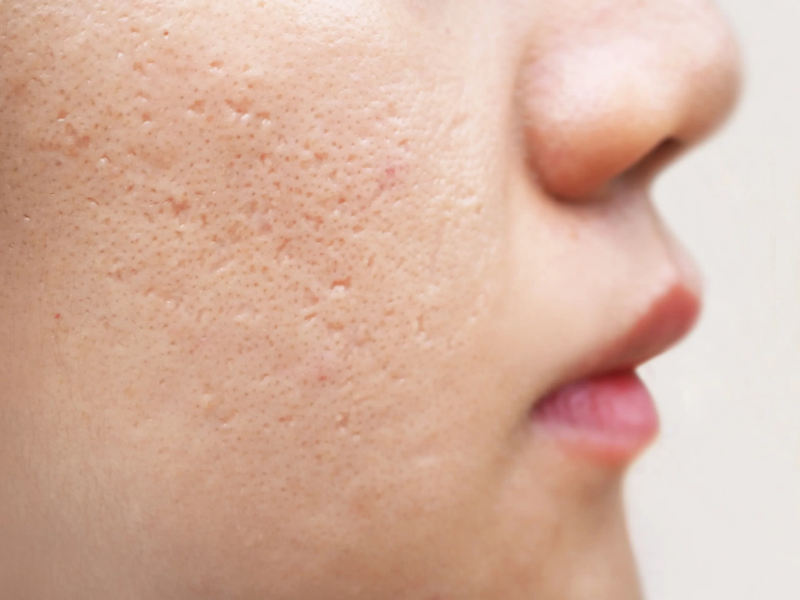

Acne scar treatment includes different methods and procedures used to reduce the appearance of scars that may remain for a long time after acne. These scars may cause aesthetic concern for some people and affect their satisfaction with their skin appearance. Suitable treatments may help soften visible irregularities and scars.
The way treatment is performed varies according to the type and depth of the scars and the general condition of the skin. Methods that may be considered by a dermatologist include chemical peeling, microneedling and laser treatment. These methods may support controlled skin renewal and remodelling through different mechanisms.
Acne scar treatment may help some people feel more comfortable with their skin appearance. However, treatment cannot be guaranteed to improve psychological well-being, confidence or social life. These effects vary according to individual expectations, experiences and the response to treatment.
Causes of Depressed Scars
Depressed scars generally develop because of changes in skin tissue during the healing of inflammatory acne lesions. Genetic susceptibility, skin structure, acne severity and the duration of inflammation may affect scar formation. Picking acne or using unsuitable methods that irritate the skin may also increase the risk.
One important factor in the development of depressed scars is insufficient collagen formation during healing. Severe inflammation associated with acne may affect the collagen structure of the skin. This may result in depressed scars with different characteristics, such as ice pick, boxcar or rolling scars.
Natural skin tone may also affect colour changes that remain after acne. The risk of post-inflammatory hyperpigmentation may be greater in darker skin tones. These colour changes may occur together with depressed scars and make them appear more noticeable. Natural skin tone and pigmentation risk should therefore be considered during treatment planning.
General Information About Acne and Acne Scar Treatments
Acne and Acne Scar Treatments may be performed using different methods, each with possible benefits and limitations. Skin structure, natural skin tone, scar type and depth and individual expectations should be considered when selecting treatment. Laser procedures may be considered for certain scars to create a controlled effect and support skin remodelling.
Chemical peeling creates controlled exfoliation in the upper skin layer and may help reduce certain superficial scars and colour irregularities. Microdermabrasion creates controlled mechanical abrasion on the skin surface and may reduce some mild superficial irregularities. When used alone, these methods may have a limited effect on deep depressed scars.
Possible side effects and recovery periods should be considered when planning treatment. Redness, sensitivity, swelling, crusting or temporary pigment changes may occur after laser procedures. Following the dermatologist’s aftercare recommendations may support the skin barrier and help reduce the risk of unwanted reactions.
Effects of Acne Scar Treatment
The effects of acne scar treatment vary between individuals. Suitable methods may help reduce the visibility of certain scars and support a more balanced-looking skin surface. When pigmentation differences are also present, changes in skin tone vary according to the procedure and individual skin response.
The degree of change depends on scar type and depth. Deep depressed scars may require multiple sessions or a combination of methods. Complete removal of skin-surface irregularities cannot be guaranteed. Acne scar treatment should also not be expected to improve moisture balance or elasticity in every person.
A skincare routine suitable for the skin type should be continued after treatment. Gentle cleansing, moisturising and sun protection may support the skin barrier and help reduce the risk of pigment changes after procedures. However, skincare alone does not guarantee that depressed scars will not develop again or that results will be permanent.
Advantages of Acne Scar Treatment With Ankara Lazer
Acne scar treatment with Ankara Lazer may be considered to reduce the appearance of certain depressed scars and skin-surface irregularities. Depending on the technology, laser procedures may create a controlled effect at different skin depths and aim to support collagen remodelling. The degree of change varies according to scar type and individual skin characteristics.
Recovery after laser treatment is not always shorter than with other methods. It varies according to the laser type, treatment intensity, treatment area and individual skin structure. Some people may return to daily activities quickly, while redness, swelling or crusting may continue for longer after certain procedures.
Different centres in Ankara provide laser procedures for acne scars. The characteristics of the device, practitioner training, hygiene conditions and follow-up process should be evaluated before treatment. Preparing an individual plan may allow treatment to progress more carefully, but it does not guarantee the best result or satisfaction.
Acne Scar Treatment Methods
Different methods may be used for acne scar treatment. Selection varies according to the structure and depth of the scars, the treatment area and individual skin characteristics. Commonly considered options include laser treatment, microneedling and chemical peeling.
Laser treatment may aim to support renewal and collagen remodelling by creating controlled treatment areas in the skin. Microneedling creates controlled microchannels and aims to stimulate natural repair mechanisms. Chemical peeling creates controlled exfoliation in the upper skin layer and may soften certain superficial scars and colour irregularities.
Every treatment method has possible benefits, limitations and side effects. A dermatologist may prepare a suitable plan after assessing the skin and scars. Individual expectations should also be considered, and realistic information should be provided about possible results.
Which Methods May Reduce the Appearance of Depressed Scars?
Depressed scars require an individual approach because of their type and depth. Laser treatment and microneedling are among the procedures that may be considered to reduce the appearance of certain depressed acne scars. They may support remodelling by creating a controlled effect at different depths in the skin.
Laser treatment aims to support collagen remodelling in areas with depressed scars. Microneedling may stimulate the repair process by creating controlled microchannels. Both methods may help the skin texture appear more balanced for some people, but they do not guarantee complete removal of the scars.
Treatment should be planned individually by a dermatologist. Scar type and depth, natural skin tone, the presence of active acne and medical history are considered during detailed assessment. Selecting an appropriate method may help the treatment progress in a more controlled manner.
Points to Consider During Acne Scar Treatment
A detailed dermatological assessment is important before beginning acne scar treatment. It may help identify the type of scars and prepare a plan according to individual characteristics. Current medications, previous skin procedures and known sensitivities should be disclosed to the healthcare professional.
Attention should be paid to skincare and hygiene during treatment. Since the skin may become sensitive afterwards, broad-spectrum sunscreen suitable for the skin type may be used. Irritating cosmetic products, harsh cleansers and abrasive procedures should be avoided for the period recommended by the professional. Following recommendations may help reduce the risk of unwanted reactions but does not guarantee the result.
Treatment results may require time to develop. Collagen remodelling may continue for weeks or months after a procedure, and the time required to notice changes varies between individuals. Regular follow-up may help assess the skin’s response and allow the plan to be modified when necessary.
 Call
Call
 Whatsapp