


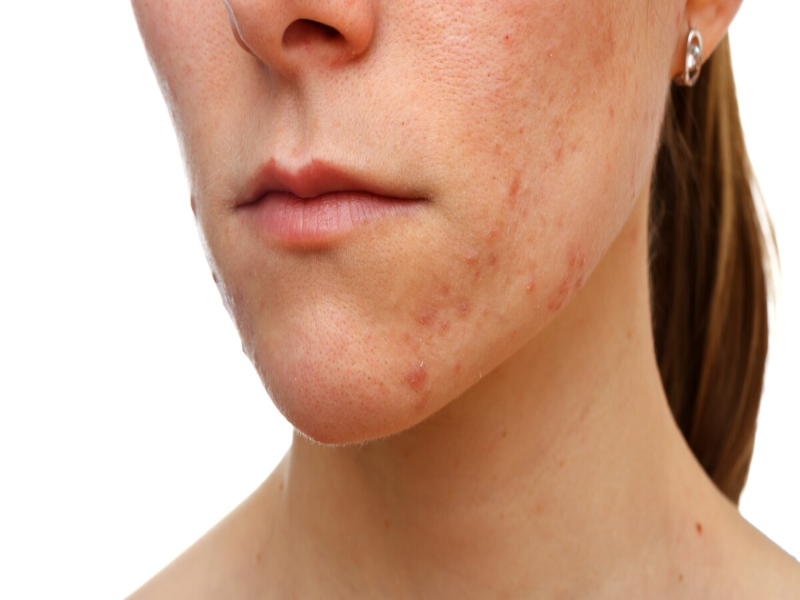

Acne scar treatment includes methods used to reduce the appearance of scars and colour changes that remain after acne. These treatments may help the skin appear smoother and more balanced. Acne scar treatment in Kızılay may be planned individually by a dermatologist or qualified healthcare professional.
Acne scars may affect different skin layers depending on their type, so treatment may take time. Options include chemical peeling, laser skin resurfacing and microdermabrasion. Each method should be assessed according to scar type and depth, natural skin tone and individual skin structure.
Acne scar treatments offered in Kızılay may be planned according to individual needs. Assessing the skin and the characteristics of the scars before treatment helps determine a suitable method. The response and duration of the achieved appearance vary from person to person.
Differences between active acne treatment and acne scar treatment
Active acne treatment and acne scar treatment are related but have different purposes. Active acne treatment aims to control existing acne lesions, excess oil and inflammation, while acne scar treatment focuses on reducing the appearance of marks that remain after acne.
Depending on dermatological assessment, antibiotics, retinoids, benzoyl peroxide and other treatments may be used for active acne. These products and medications may help control inflammation and factors involved in acne formation. Acne scar treatment may include methods that support renewal of the skin surface and texture.
The two treatment processes may be performed at different stages in some cases. Beginning intensive scar procedures before marked inflammatory acne is controlled may increase the risk of irritation, sensitivity or unwanted reactions. However, certain treatments for active acne and scarring may be planned at the same time following professional assessment.
Acne scar treatment methods in Kızılay
Different methods are available for acne scar treatment in Kızılay. They may be planned individually according to the type and severity of the scars and the skin structure. Commonly considered methods include:
-
Laser Treatment: Laser procedures aim to create a controlled effect in the skin and support collagen production and natural renewal processes. The change achieved through Ankara Lazer procedures varies according to the device, scar type and individual skin response.
-
Chemical Peeling: Chemical peeling creates controlled exfoliation of the upper skin layer and may support skin renewal and a reduction in the appearance of certain superficial scars. The peeling type and concentration should be selected according to the scars and the skin.
-
Microdermabrasion: This method creates controlled mechanical abrasion in the upper skin layer and may support a more balanced-looking surface. It may be considered for superficial colour and texture irregularities, but its effect may be limited for deep depressed scars.
These methods should be recommended following detailed skin assessment. The needs of the skin, the characteristics of the scars and individual expectations should be considered when preparing a plan.
Points to consider during active acne treatment
The primary aim of active acne treatment is to control inflammation and the formation of new acne lesions. Certain points may be considered during this process:
-
Regular Cleansing: Gentle cleansing at suitable intervals may help remove surface oil and residue. Excessive or harsh cleansing may damage the skin barrier, so a cleanser suitable for the skin type should be used.
-
Using Appropriate Products: Products used for Acne and Acne Scar treatment should be selected according to the skin structure and severity of the acne. Products described as non-comedogenic and less likely to block pores may be preferred.
-
Professional Support: Dermatological assessment is important for selecting suitable products and methods. Products that are unsuitable for the skin may cause irritation, dryness or acne to become more noticeable.
Balanced nutrition, adequate sleep and stress management are important for general health. However, these habits should not be expected to treat active acne or prevent acne formation on their own.
Combining acne scar treatment and active acne treatment
Performing acne scar treatment and active acne treatment during the same period requires careful planning and professional monitoring. The procedures that may be combined depend on acne severity, scar type, current medication and individual skin structure. Combining both treatments does not provide the same response for everyone.
Controlling marked inflammatory acne may help reduce the risk of new scars and allow certain scar procedures to be performed more carefully. Intensive or irritating procedures applied over active inflammatory lesions may increase inflammation and sensitivity in some people. The timing of scar treatment should therefore be determined individually.
The treatment methods and medications used should be compatible. Depending on the active acne and current topical or systemic medication, certain chemical peels and laser treatments may need to be postponed or performed at a different intensity. All these factors should be considered when preparing the plan.
Acne scar treatment with Ankara Lazer procedures
Laser procedures in Ankara are one of the methods that may be considered to reduce the appearance of certain acne scars. Laser treatment may aim to support collagen production and skin remodelling by creating a controlled effect in the skin.
The time required to notice a response and the necessary number of sessions vary between individuals. Redness, sensitivity, swelling, crusting or temporary colour changes may occur afterwards. Session intervals should be determined by considering the skin’s recovery.
Different centres in Ankara use various laser devices for acne scars. The device and settings should be selected according to scar type and depth, natural skin tone and medical history. Regular follow-up may help assess the skin’s response.
Points patients should consider during treatment
Certain points may help protect the skin and allow active acne and scar treatment to progress more carefully.
-
Sun Protection: Some skin treatments may increase sensitivity to sunlight. Sun exposure may increase the risk of unwanted pigment changes after procedures. Broad-spectrum sunscreen suitable for the skin type should be used, and intense sun exposure should be avoided.
-
Regular Follow-Up: Follow-up appointments may help assess the skin’s response and allow necessary changes to be made. Follow-up does not guarantee effectiveness but may allow unexpected reactions to be evaluated earlier.
-
Patience: Active acne and acne scar treatment may require time. Regular adherence to the treatment and skincare plan is important. The time required and degree of change vary between individuals.
 Call
Call
 Whatsapp