


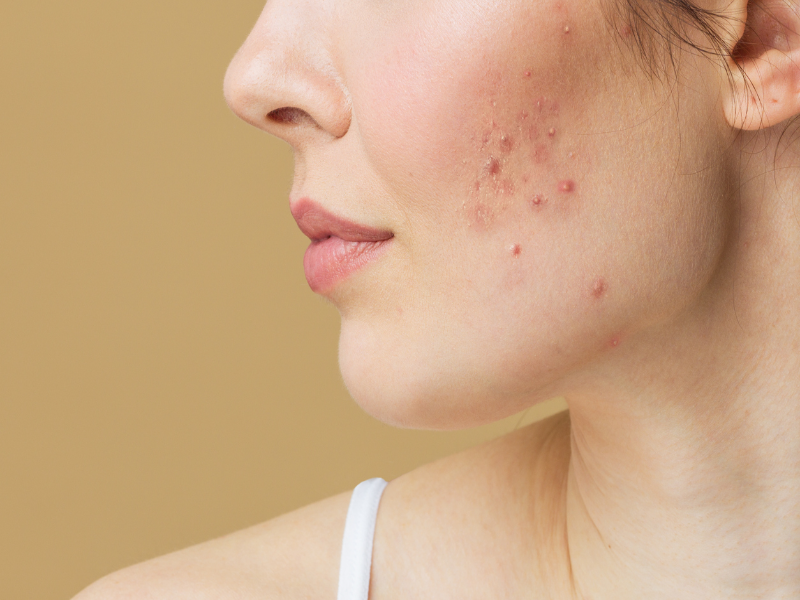

Acne is a skin problem that generally begins during adolescence and causes redness, inflammation, and sometimes pain in the skin. Acne occurs when the sebaceous glands of the skin produce excessive oil, causing the pores to become clogged. This condition may lead to the growth of bacteria and the formation of skin lesions known as pimples.
Pimple scars are permanent changes that remain on the skin after acne has healed. These scars may generally extend into the deeper layers of the skin and cause the skin texture to appear uneven. Acne and pimple scars are not only physical problems but may also affect individuals’ self-confidence and negatively affect their social lives.
Pimple scars may appear in different forms. For example, some scars appear as depressions on the skin surface, while others may cause dark-coloured blemishes. The type of scar is directly related to the severity of the acne and the treatment process.
The Importance of Acne Scar Treatment
Acne scar treatment not only improves individuals’ physical appearance but also supports their emotional health. Scars remaining on the skin may reduce a person’s self-confidence and cause difficulties in their social life. Therefore, acne scar treatment is highly important.
The treatment process aims to reduce the visibility of scars and help the skin gain a smoother appearance. This process may include professional treatment methods in addition to the individual’s skincare routine. The aim of treatment is to help the person achieve healthier and brighter skin.
Acne scar treatment may also help individuals become more conscious of their skin health. During this process, learning about the importance of skincare and the use of appropriate products is also critical for preventing the formation of new scars in the future.
Acne Scar Treatment Methods in Ankara
There are many different acne scar treatment methods available in Ankara. These methods are selected according to the type of scars and the needs of the skin. Ankara is home to many clinics specialising in dermatology, allowing individuals to benefit from different treatment options.
Chemical Peeling: This method helps renew the skin by removing its upper layer and aims to provide a smoother skin surface. Chemical peeling is an effective method, particularly for superficial scars.
Microdermabrasion: This method aims to achieve a healthier skin appearance by gently abrading the upper layer of the skin. It is frequently preferred to improve skin texture and tone.
Laser Treatment: This is an effective method used for the treatment of deep scars. Laser treatment may reduce the visibility of scars by increasing collagen production beneath the skin.
Many specialists in Ankara perform these treatment methods, and the advantages and disadvantages of each method should be carefully evaluated. Before treatment, it is important to have a detailed consultation with a dermatologist and create a plan suitable for the needs of the skin.
Eliminating Acne Scars with Laser Treatment
Ankara Lazer treatment is frequently preferred for the treatment of acne scars. Laser treatment stimulates collagen production beneath the skin, reduces the visibility of scars, and tightens the skin. This method is particularly effective for treating deep and prominent scars.
Laser treatment is performed using devices with different wavelengths. Each device is specially designed for different skin types and types of scars. The treatment process usually takes several sessions, with a specific recovery period between each session. During this period, mild redness and sensitivity may occur on the skin, but this condition is temporary.
After treatment, the aim is for the skin to gain a smoother and younger appearance. However, it is important to be patient and pay attention to skincare to see the full effects of laser treatment. Keeping the skin moisturised and using sunscreen throughout the treatment process are critically important for the success of the treatment.
Who Is Suitable for Acne Scar Treatment?
Acne scar treatment is generally suitable for individuals who have experienced acne and want to deal with the resulting scars. However, not every individual may be suitable for this treatment. Before beginning treatment, the person’s skin type, the depth of the scars, and their general health condition should be evaluated.
Skin Type: Treatment methods are generally customised according to different skin types. For example, gentler methods may be preferred for sensitive skin, while more in-depth methods may be applied to oily skin.
Depth of the Scars: Superficial scars can generally be treated more quickly and easily, while deeper scars may require more intensive treatment processes. Therefore, an appropriate treatment plan should be created according to the type of scars.
General Health Condition: The person’s general health condition should be evaluated before treatment. Certain dermatological or systemic health problems may affect the treatment process. Therefore, a detailed health assessment should be performed before treatment.
As a result of these assessments, it is possible to determine whether you are suitable for acne scar treatment. Before beginning treatment, it is important to have a detailed consultation with your dermatologist and determine the most appropriate method and treatment plan for you.
Acne Scar Treatment Process and Expectations
The acne scar treatment process generally varies depending on individuals’ skin types and the depth of the scars. Before beginning treatment, it is important to learn how the process will proceed and what should be expected after treatment.
The treatment process generally consists of several stages:
Assessment and Planning: During the first stage, the dermatologist evaluates your skin and determines the most appropriate treatment method for you. This stage is critically important for the success of the treatment.
Treatment Application: Sessions are scheduled according to the selected treatment method. Each session is customised according to the type of scars and skin type. Following your dermatologist’s recommendations throughout the treatment increases its effectiveness.
Recovery Process: Mild redness or sensitivity may occur on the skin after treatment. This condition is normal and generally disappears within a few days. During the recovery process, it is important to keep the skin moisturised and protect it from the sun.
At the end of the treatment process, you can expect the skin to gain a smoother and younger appearance. However, because every individual has a different skin structure, results may vary from person to person. After treatment, it is beneficial to attend regular check-ups with your dermatologist to monitor the condition of your skin.
Points to Consider After Acne Scar Treatment
Proper protection and care of the skin after acne scar treatment are highly important for the permanence of the treatment results. There are several important points to consider after treatment.
Sun Protection: The skin may become more sensitive to the sun after treatment. Therefore, using a sunscreen with a high protection factor every day is important for maintaining skin health.
Skincare: It is necessary to pay attention to the skincare routine after treatment. Keeping the skin moisturised with moisturising products and using gentle cleansers help the skin remain healthy.
Nutrition and Water Consumption: Maintaining a balanced diet and consuming sufficient amounts of water are important for supporting skin health. This may help the skin renew itself more quickly.
Post-treatment care is an important part of the treatment process. Therefore, strictly following the care routine recommended by your dermatologist ensures that the treatment results remain long-lasting and effective.
 Call
Call
 Whatsapp