


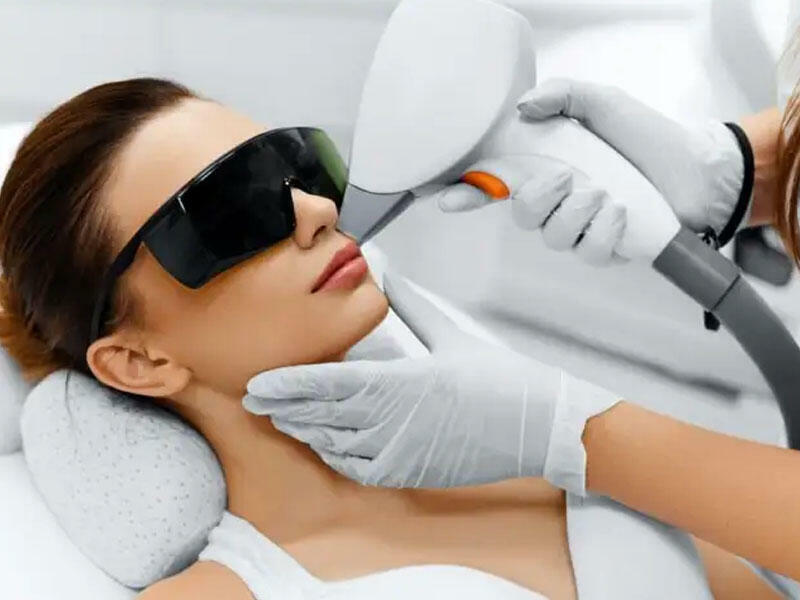

Laser hair removal is a method used to reduce unwanted hair over the long term. This method aims to slow down hair growth by targeting hair follicles with laser beams. During the procedure, the light emitted from the laser device penetrates the follicles and targets the pigment within them. This process can weaken the follicles and help reduce hair over time.
For cancer patients, laser hair removal is a subject that should be evaluated carefully. During cancer treatments, skin sensitivity may increase, which can affect the outcomes of laser hair removal. Therefore, it is important for individuals undergoing cancer treatment to consult their doctors before considering laser hair removal. Skin changes during treatment may impact both the effectiveness and safety of the procedure.
At different stages of cancer treatment, skin sensitivity and overall health conditions may vary. Therefore, cancer patients considering laser hair removal in Ankara or elsewhere should make decisions based on their personal health conditions. Since each individual’s treatment process is different, determining whether laser hair removal is appropriate requires a personalized evaluation.
Can Cancer Patients Have Laser Hair Removal?
Cancer patients may be able to undergo laser hair removal, but this depends on many factors. For example, the type of cancer, treatment process, and the individual’s overall health condition are important factors influencing this decision. In professional healthcare centers such as Ankara Life Polyclinic, specialists can create personalized plans for cancer patients through detailed evaluations.
The effects of laser hair removal on individuals undergoing cancer treatment may vary from person to person. While some individuals may experience skin sensitivity during or after treatment, others may go through the process without issues. Therefore, consulting a doctor and conducting a detailed evaluation before starting treatment is important.
Changes in the skin during treatment may affect the effectiveness and safety of laser hair removal. For this reason, individuals undergoing cancer treatment should be aware of the precautions to take before and after the procedure. Following the advice of doctors and specialists is critical for a safe and effective process.
Who Should Not Undergo Laser Hair Removal?
Laser hair removal may be a safe and effective method for many people, but it is not suitable for everyone. Individuals with certain health conditions should carefully evaluate their situation before undergoing the procedure. The answer to the question “who should not undergo laser hair removal?” may vary depending on health status and skin characteristics.
- Pregnant Women: Hormonal changes during pregnancy may increase skin sensitivity. Therefore, laser hair removal is generally not recommended during pregnancy.
- Individuals with Skin Conditions: People with active skin infections, eczema, or psoriasis should consult a doctor before the procedure.
- Those with Photosensitivity: Certain medications and medical conditions may increase the skin’s sensitivity to light, raising the risk of burns or irritation after laser treatment.
Before undergoing laser hair removal, it is important to consult a specialist to evaluate your personal health condition. This helps determine whether the procedure is safe for you and minimizes potential risks.
Laser Hair Removal Applications and Processes
Laser hair removal applications have become more effective and comfortable with modern technology. In large cities like Ankara, various laser technologies are available, each with different advantages and uses. Here is what you need to know about the processes and applications:
- Alexandrite Laser: Effective for individuals with lighter skin tones, especially for large areas such as arms and legs.
- Diode Laser: Effective for individuals with darker skin tones and targets deeper hair follicles.
- Nd:YAG Laser: Suitable for all skin types and particularly useful for sensitive areas.
The laser hair removal process is carried out in sessions, with specific intervals between each session. These intervals depend on the hair growth cycle and are typically 4–6 weeks. With each session, hair growth decreases, and over time, unwanted hair is significantly reduced. Specialists aim to achieve the best results by creating personalized treatment plans.
Advantages and Disadvantages of Laser Hair Removal
Laser hair removal is known as an effective way to eliminate unwanted hair. However, like any method, it has both advantages and disadvantages. It is important to consider these factors before making a decision.
Advantages:
- Long-Term Results: Helps reduce hair over an extended period.
- Precision: Targets hair follicles while minimizing damage to surrounding tissues.
- Fast Application: Large areas can be treated quickly, saving time.
Disadvantages:
- Skin Sensitivity: Mild redness or irritation may occur after treatment.
- Cost: It may be more expensive compared to other methods, although it provides long-term benefits.
- Multiple Sessions Required: More than one session is needed to achieve desired results.
The advantages and disadvantages should be evaluated based on personal preferences. Since each individual’s skin type and health condition differ, following a specialist’s advice is the best approach.
Things to Consider Before and After Laser Hair Removal
There are some important points to consider before and after laser hair removal. These precautions help improve effectiveness and minimize side effects.
Before the Procedure:
- Avoid Tanning: Avoid sun exposure for at least 2 weeks before the procedure, as tanned skin may be more sensitive to laser beams.
- Skin Cleansing: Clean your skin and avoid using makeup, lotions, or creams before the session.
- Hair Removal Methods: Avoid methods such as waxing or tweezing before sessions, as they may weaken hair follicles temporarily.
After the Procedure:
- Sun Protection: Protect your skin from harmful UV rays by using a broad-spectrum sunscreen.
- Moisturizing: Use moisturizers to prevent dryness.
- Avoid Irritation: Avoid harsh products and hot water for a few days after the procedure.
These precautions can help ensure a safer and more effective laser hair removal process. Since each individual’s skin type is different, it is best to seek personalized advice from a healthcare professional.
Frequently Asked Questions About Laser Hair Removal
There are many frequently asked questions about laser hair removal. Here are some of the most common ones:
Does laser hair removal hurt?
Most people may feel mild discomfort during the procedure, but this varies depending on individual pain tolerance. Cooling systems or gels can help reduce this sensation.
Is laser hair removal permanent?
Laser hair removal can provide long-term reduction, but it is not guaranteed to be completely permanent. Some users may observe a significant decrease in hair growth.
Can laser hair removal be applied to all areas?
Yes, it can be applied to many parts of the body. However, extra caution is required in sensitive areas such as around the eyes. Specialists determine the most suitable method for each area.
These frequently asked questions provide general information, but for a personalized evaluation, consulting a dermatologist or healthcare professional is recommended.
 Call
Call
 Whatsapp