


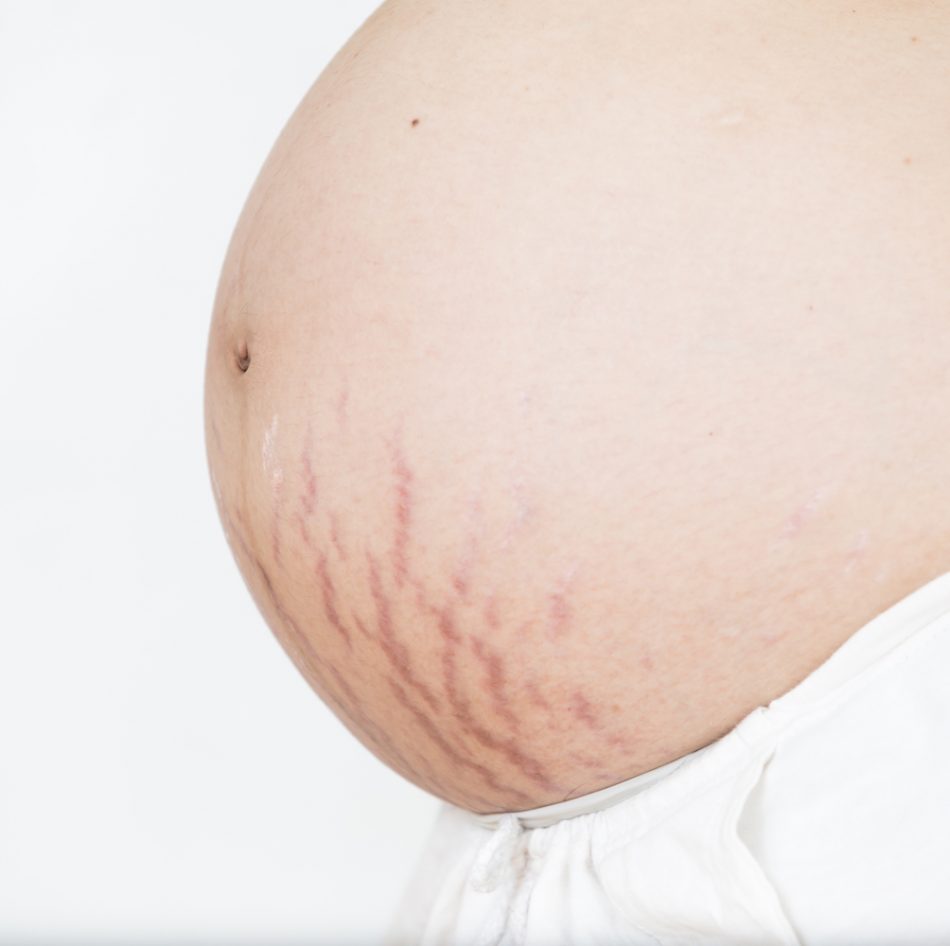

Stretch mark treatment is a subject of aesthetic concern for many individuals living in developed areas such as Çankaya. Stretch marks are linear changes in the skin that develop when the supporting structures within the skin are stretched or disrupted. They commonly occur during pregnancy, rapid weight change and growth spurts during adolescence.
Stretch marks are generally harmless, but their appearance may affect self-confidence. Professional treatment may be considered by individuals who wish to reduce their visibility. However, completely removing stretch marks is not always possible.
Different treatment options are available in Çankaya. Ankara Laser technologies may be included in treatment plans, while non-laser methods may also be evaluated. The most appropriate option depends on factors such as skin tone, sensitivity, the age and colour of the stretch marks and the individual’s expectations.
Stretch mark treatment in Çankaya should therefore be planned individually under the guidance of a qualified medical professional.
Laser Methods Used in Stretch Mark Treatment
Laser procedures are among the methods considered for reducing the appearance of selected stretch marks. Ankara Laser applications may use different technologies depending on whether the marks are recent, red or purple, or older and lighter in colour.
Certain fractional laser systems create controlled treatment zones in the skin and stimulate collagen remodelling. Vascular lasers may be considered for selected reddish stretch marks, while other technologies may be used to address texture.
Several sessions may be required, and sufficient recovery time should be allowed between treatments. The number of sessions and treatment intensity vary according to the device, skin tone and characteristics of the stretch marks.
Laser treatment is not completely painless or risk-free. Temporary redness, swelling, sensitivity, peeling or pigmentation changes may occur. Individuals with darker skin tones may require additional caution because of the risk of post-inflammatory pigmentation.
Laser procedures may sometimes be combined with other treatments, but combining methods does not automatically guarantee faster or better results.
What Are the Non-Laser Methods?
Several non-laser approaches may be discussed during stretch mark treatment. Their suitability and expected benefits vary.
Microneedling
Microneedling creates controlled microchannels in the skin and stimulates collagen remodelling. It may help improve the texture and visibility of selected stretch marks over time.
Several sessions may be required, and the procedure should be planned according to the individual’s skin tone and sensitivity.
Radiofrequency Microneedling
Radiofrequency microneedling combines fine needles with controlled radiofrequency energy. It may support collagen production in deeper layers of the skin and may be considered for selected stretch marks.
Temporary redness, swelling or sensitivity may occur after treatment.
Chemical Peeling
Chemical peeling exfoliates selected layers of the skin in a controlled manner. It may support improvements in superficial pigmentation and skin texture.
However, its effect on deeper structural stretch marks may be limited. The type and strength of the peeling solution should be selected carefully to reduce the risk of irritation and pigmentation changes.
Microdermabrasion
Microdermabrasion gently exfoliates the outer layer of the skin. It may improve mild surface irregularities but generally has a limited effect on deeper stretch marks.
It should not be expected to remove stretch marks completely.
Mesotherapy
Mesotherapy involves injecting selected substances into the skin. Different formulations may be used, and their contents vary between clinics.
Although mesotherapy may be offered to support hydration or general skin quality, the clinical evidence for its effectiveness in stretch mark treatment may be limited. The ingredients, risks and expected benefits should be explained clearly before treatment.
Topical Products
Moisturisers may improve dryness and comfort but generally do not remove established stretch marks. Selected prescription products may be considered for recent stretch marks in appropriate individuals, but they are not suitable during pregnancy and should only be used under medical supervision.
Advantages and Limitations of Non-Laser Methods
Non-laser methods may offer certain advantages depending on the procedure. Some treatments may involve less downtime than intensive laser procedures, while others may be suitable for individuals who are not appropriate candidates for a specific laser technology.
However, non-laser methods are not automatically safer, more natural or more economical. Microneedling, injections, peeling and radiofrequency procedures may also cause irritation, infection, bruising, swelling or pigmentation changes.
The level of improvement varies according to the depth, age and colour of the stretch marks. Older, pale stretch marks may be more difficult to improve than newer reddish or purple marks.
A qualified specialist should compare the expected benefits, risks, recovery time and costs of each option before treatment is selected.
Can Laser and Non-Laser Methods Be Used Together?
Laser and non-laser methods may be planned together in selected cases. A combined treatment plan may address different aspects of the stretch marks.
For example, one method may target colour changes, while another may focus on collagen remodelling and texture. Fractional laser may be combined with microneedling, radiofrequency or selected topical care when medically appropriate.
However, treatments should not necessarily be performed during the same appointment. Applying several intensive procedures too closely together may increase the risk of prolonged redness, irritation, infection and pigmentation changes.
The timing and order of procedures should be determined according to:
-
Skin tone and sensitivity
-
Colour and age of the stretch marks
-
Previous treatment response
-
Recovery capacity
-
Risk of pigmentation
-
Pregnancy or breastfeeding status
-
Current medications
-
The area being treated
Combination treatment should be used only when it provides a clear potential benefit compared with a single method.
Points to Consider Before Stretch Mark Treatment
Several factors should be reviewed before beginning treatment.
Professional Assessment
A dermatologist or qualified medical practitioner should evaluate the skin and determine whether the marks are stretch marks or another skin condition.
The specialist should assess their colour, depth, age, location and extent.
Medical History
Pregnancy, breastfeeding, medications, allergies, healing problems and a tendency to develop keloid scars should be discussed.
Active infection, open wounds, sunburn or significant irritation may require treatment to be postponed.
Realistic Expectations
Treatment may reduce the visibility and improve the texture of stretch marks, but complete removal cannot be guaranteed.
Results generally develop gradually and may require several sessions.
Skincare and Sun Protection
The treated area should be moisturised and protected from sunlight according to professional recommendations. Harsh exfoliating products and irritating active ingredients may need to be paused before and after treatment.
Patience and Follow-Up
Collagen remodelling takes time. Results may continue developing for weeks or months after a session.
Regular follow-up appointments allow the specialist to monitor the response and adjust the plan when necessary.
Post-Treatment Care
After laser or non-laser stretch mark treatment, temporary redness, sensitivity, dryness or swelling may occur.
The area should be cleansed gently and moisturised with products recommended by the specialist. Scratching, rubbing and manually removing peeling skin should be avoided.
Broad-spectrum sunscreen should be used on exposed treatment areas when the skin can tolerate application. Saunas, hot showers, swimming and intense exercise may need to be avoided for a limited period depending on the procedure.
Increasing pain, discharge, blistering, severe swelling or prolonged redness should be reported to the treating specialist.
In conclusion, laser and non-laser methods may be planned together for stretch mark treatment in Çankaya when an individual assessment indicates that a combined approach may be beneficial. The treatment plan should be based on the characteristics of the stretch marks, the individual’s skin type and the risks and limitations of each method.
 Call
Call
 Whatsapp