


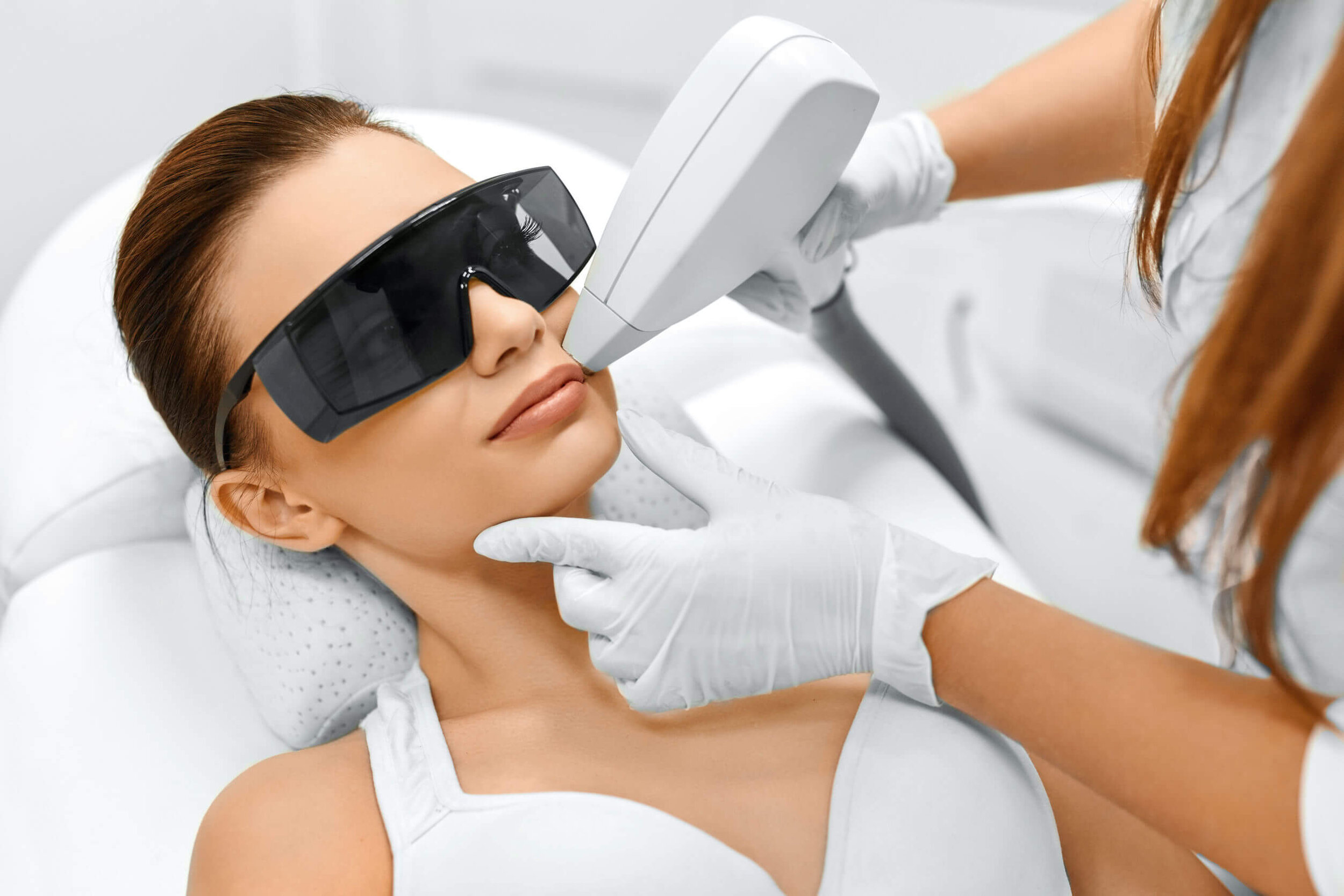

Laser epilation is a method used to permanently remove unwanted hair. The intense light beam is absorbed into the melanin pigment of the hair and destroys the hair follicles. In this way, hair regrowth is prevented. Laser hair removal provides long-term results and can be an effective solution for many people.
Menstrual Cycle and Laser Hair Removal
The menstrual cycle is the process by which a woman sheds the lining of the uterus, repeating over the course of a month. It usually occurs in a 28-day cycle and begins with menstrual bleeding. Menstruation is a period of hormonal changes, and therefore some people may think that it may be harmful to do any cosmetic procedures during this time.
Can Laser Epilation Be Done During Menstrual Period?
Many experts state that laser epilation is safe during menstruation. However, it is important that the person feels comfortable and communicates with the technician who will perform the procedure. Some women may find that laser hair removal may be more painful because their bodies are more sensitive during menstruation. However, this may vary from person to person.
Another factor to consider when performing laser epilation during menstruation is the risk of infection. Any cosmetic procedure performed while the cervix is open may increase the risk of infection. Therefore, it is important to comply with hygiene rules and ensure sterilization.
Possible Risks and Things to Consider
There are some risks to laser hair removal while on your period, and it's important to take these into consideration. First of all, during menstruation the body may be more sensitive and the procedure may be more painful. Additionally, the risk of infection may increase. Therefore, it is important that it is done by an expert technician and in a hygienic environment.
Some women may be more sensitive due to hormonal changes during menstruation. In this case, skin redness or irritation may occur following the procedure. These side effects are usually temporary, but if you experience any problems it is important to consult a professional.
Best Practices for Laser Hair Removal During Menstruation
When doing laser hair removal while on your period, it's important to follow some best practices. First, contact the technician who will perform the procedure and specify what stage of your menstrual cycle you are in. This will help the technician assist you appropriately. In addition, it is important to pay attention to hygiene rules and request sterilization.
When performing laser epilation during your menstrual period, you may feel more pain. Therefore, it may be beneficial to take painkillers or use anesthetic creams before the procedure. However, it is important to consult an expert on this matter.
Laser Epilation Alternatives During Menstruation
There may be some risks of laser epilation during menstruation, and therefore some women may turn to alternative methods. Waxing or using hair removal creams may be an option to temporarily remove hair on the skin. These may be a safer and less risky option during menstruation.
Important Questions to Ask the Laser Technician
It is important to ask some important questions to the technician who will perform the laser hair removal procedure. First, you need to confirm that it is safe to do laser during menstruation. You can also question the technician's experience and expertise. It is also important to check whether you are working in a hygienic environment.
Personal Experiences and References
Personal experiences and references can play an important role when it comes to laser epilation during menstruation. Learning about other women's experiences and understanding what they are going through can help you in your decision-making process. You can also search for more information in forums or reliable sources on the internet.
Consulting and Professional Advice
If you would like more information and advice about laser epilation while on your period, it is important to consult a specialist. A dermatologist or laser hair removal specialist can help you find the best solution for your situation. Because everyone's skin type and needs are different, it is important to seek professional advice.
 Call
Call
 Whatsapp