



Can Laser Epilation Be Completed in 2 Sessions?
Laser hair removal is a method used to permanently remove unwanted body hair. During this procedure, high-intensity light beams are sent to the hair roots and the roots are damaged. Thus, the hair does not grow back and the body gains a smooth appearance.
Laser hair removal provides more effective and permanent results compared to traditional methods (hair removal creams, waxing, epilation). In addition, the pain felt during the procedure is minimal. Laser hair removal is especially beneficial in sensitive areas (legs, arms, bikini area, etc.).
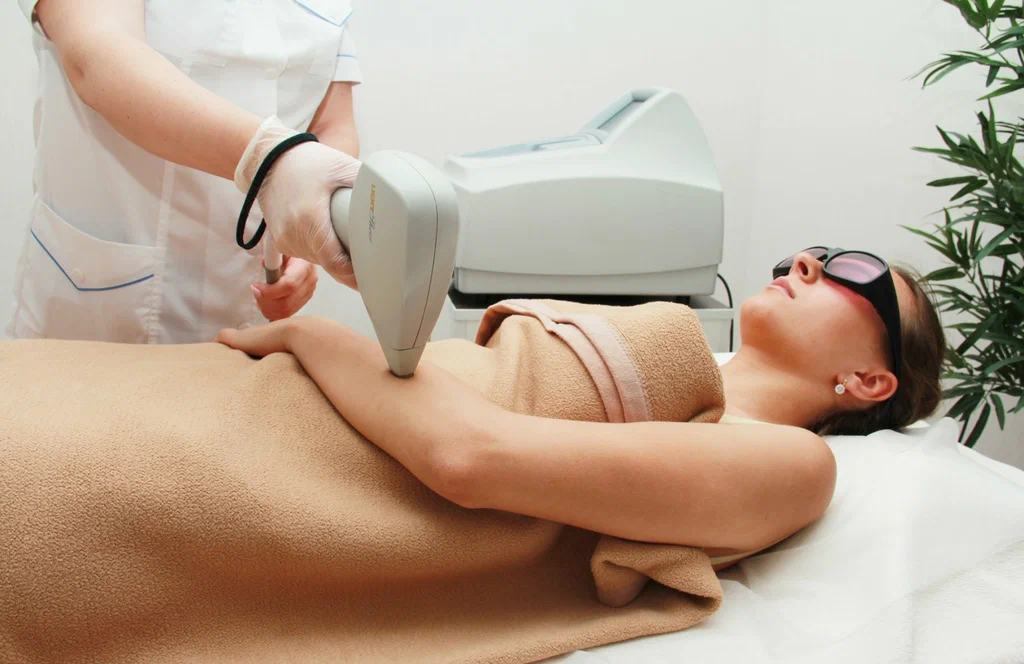
Laser hair removal is performed by a specialist dermatologist or esthetician. During the procedure, a laser device with the appropriate wavelength and energy density is used. This device targets the hair roots, damages them and prevents hair from growing back.
How Long Does the Effect of Laser Hair Removal Last?
The effects of laser hair removal are generally considered permanent. However, the results may vary depending on personal factors and the area where the application is made.
Laser hair removal provides an effect that lasts between 6-12 months on average. This period may vary depending on the person's hormonal status, hair structure, age and the area where it is applied. In some people, the hair may disappear completely, but in others, the hair loss may be less pronounced.
Laser epilation is usually a procedure that requires several sessions. In the first sessions, most of the hair is eliminated, but additional sessions may be needed for a complete result. Depending on the person's body structure and hair structure, an application period ranging from 4 to 6 sessions may be required.
Duration and Number of Sessions of Laser Epilation
Laser epilation usually lasts between 15 and 45 minutes. This period may vary depending on the size of the area to be applied and the density of the hair. For example, a small area (upper upper lip, chin, etc.) may take 15 to 20 minutes, while a larger area (legs, back, etc.) may take 30 to 45 minutes.
Laser epilation is a procedure that requires multiple sessions. An application period of 4 to 6 sessions is generally recommended. However, due to factors that vary from person to person, some people may need fewer sessions, while others may need more.
Session intervals generally vary between 4-8 weeks. This period is adjusted according to the rate of hair regrowth. While the first sessions are performed more frequently (4 weeks), the interval may be longer (6-8 weeks) in subsequent sessions.
Laser hair removal cannot be expected to be completed in exactly 2 sessions. However, depending on personal factors, fewer sessions (3-4) may be sufficient for some people. Especially in people with thin and sparse hair, significant hair reduction can be seen in 2 sessions. However, thick and dense hair may require more sessions.
Suitable Candidates for Laser Hair Removal
Laser hair removal can be applied to various body areas and can be a suitable option for many people. However, certain factors may affect its suitability:
Skin Color: Laser hair removal is more effective for light and medium skin tones. In very dark skin, the laser light may target the melanin pigment, not the hair follicles, and unwanted side effects may occur.
Hair Color: Dark hair absorbs laser light better and provides more effective results. Light-colored hair (blonde, gray, white) may be less effective because it absorbs less laser light.
Hormonal Status: Hormonal imbalances (PCOS, hypothyroidism, etc.) can increase hair growth. In these cases, laser hair removal may be less effective and additional treatments may be needed.
Age: Young adults may get more effective results from laser hair removal. With age, the treatment effect may decrease due to changes in hair structure.
General Health Status: Some chronic diseases (diabetes, immune system problems, etc.) may affect laser hair removal results. It is recommended that these people consult their doctor first.
For suitable candidates, laser hair removal can provide an effective and permanent solution. However, it is important to determine the appropriate treatment plan by taking personal factors into account.
Areas Where Laser Hair Removal Is Effective
Laser hair removal can be effectively applied to various parts of the body. Below are the most commonly used application areas:
Legs: Legs, one of the areas where women have the most problems, are an ideal area for laser epilation. Long-term and permanent results can be achieved.
Bikini Area: This sensitive and hard-to-reach area can be easily cleaned with laser epilation. It provides a more even and smooth appearance.
Underarms: Unwanted hair in the underarm area can be easily removed with laser epilation. This area is less irritated compared to traditional methods.
Upper Lip: Unwanted hair on the upper lip can be effectively cleaned with laser epilation. This area may be a more suitable option than other methods because it is sensitive.
Back and Chest: The back and chest areas, where men often have problems, can be easily cleaned with laser epilation.
 Call
Call
 Whatsapp