


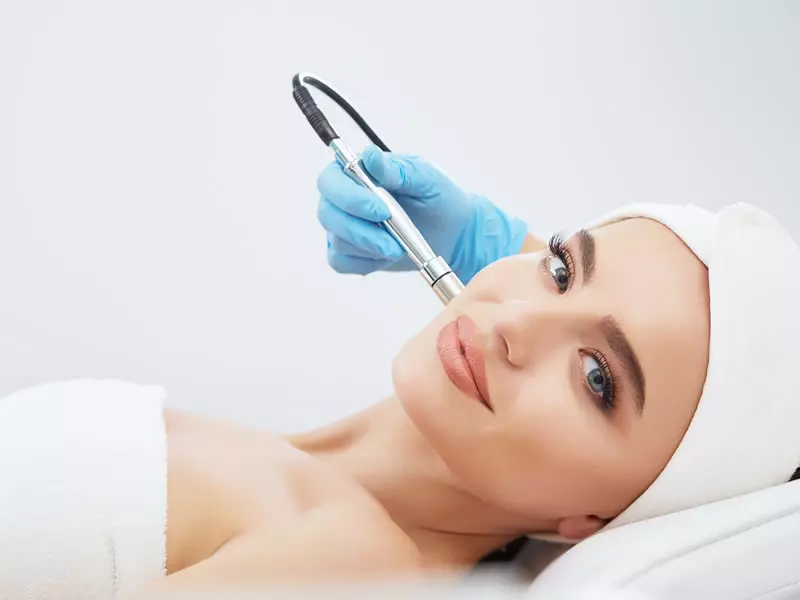

Laser scar treatment is a method that uses laser technology to reduce the appearance of scars on the skin. This method targets the upper layer of the skin, stimulates collagen production, and accelerates the skin’s natural healing process. Laser treatment is generally preferred for reducing the appearance of acne scars, surgical scars, burn scars, and stretch marks.
Laser technology uses light at various wavelengths to target blemishes and scars on the skin. This process stimulates the collagen and elastin tissue beneath the skin, allowing the skin to gain a smoother and younger appearance. Laser treatment is also generally considered a minimally invasive method, and its recovery period is shorter than that of other methods.
One of the greatest advantages of this treatment method is that it can be planned individually. Because every individual has a different skin structure and scar depth, laser treatment can be tailored to the person, which increases the effectiveness of the treatment.
What Are Scars, Wound Scars, and Stretch Marks?
A scar or wound scar is a permanent mark that forms during the skin’s healing process after an injury or damage. Wound scars generally occur as a result of the rearrangement of collagen fibres in the skin and may cause disruption to the skin’s natural structure.
Although the term wound scar is used more broadly, it refers to marks remaining after any skin injury or operation. The appearance of these scars may vary depending on the depth and location of the wound and the skin’s healing capacity. Wound scars may be aesthetically disturbing and, in some cases, may negatively affect a person’s self-confidence.
Stretch marks are fine lines that generally form when the skin stretches during rapid weight gain or loss, pregnancy, or adolescence. Stretch marks occur as a result of the breaking of the skin’s elastic fibres and are generally seen on the abdomen, hips, thighs, and breasts. Although stretch marks do not pose a health threat, treatment may be desired because of aesthetic concerns.
Advantages of Laser Scar Treatment
Laser scar treatment offers many advantages. First, this method is applied in a minimally invasive manner. Because it does not require cuts or stitches in the skin, the recovery period is quite short, and the risk of infection is minimised. Laser treatments are also generally painless and may be performed under local anaesthesia.
Another advantage is that the treatment can be planned individually. Because every individual has a different skin structure and type of scar, laser devices can be adjusted according to these needs. In this way, the desired results can be achieved more quickly and effectively. Laser treatment offers an ideal option, particularly for the sensitive skin structure of the facial area.
Finally, laser treatment provides effective results within a short period. A noticeable reduction in the appearance of scars can generally be observed after several sessions. Collagen production in the skin also increases following laser treatment, which improves the skin’s general appearance. Because of these characteristics, laser treatment is also frequently preferred for skin renewal and rejuvenation.
What Are Non-Laser Methods?
Non-laser methods offer alternative options for treating wound scars and stretch marks. The leading methods include chemical peeling, microdermabrasion, dermaroller treatment, and PRP, or platelet-rich plasma, treatment. Each method is suitable for different skin types and types of scars and can generally be combined with laser treatments.
Chemical peeling is a method that stimulates skin renewal by removing the upper layer of the skin. This procedure removes dead cells from the skin surface and reduces the appearance of scars. Chemical peeling generally offers an effective solution for superficial scars and differences in skin colour.
Microdermabrasion is a method that mechanically removes the upper layer of the skin. This procedure reduces irregularities and fine lines on the skin while allowing the skin to appear more vibrant and radiant. Microdermabrasion is generally preferred for treating mild scars.
PRP treatment is performed by injecting platelet-rich plasma obtained from the person’s own blood into the skin. This method accelerates the healing process in the skin and increases collagen production. In addition to improving the general appearance of the skin, PRP treatment may also be effective in treating wound scars.
Using Laser Scar Treatment and Non-Laser Methods Together
Using laser scar treatment and non-laser methods together makes it possible to achieve more comprehensive and effective results. This combination treatment addresses different skin concerns at the same time, improves the overall appearance of the skin, and reduces the appearance of scars.
For example, chemical peeling or microdermabrasion may be applied together with laser treatment. While the laser increases collagen production beneath the skin, chemical peeling renews the skin surface and reduces the appearance of scars. This combination may be particularly effective for treating deep scars.
PRP treatment may also be used together with laser treatment to accelerate the skin’s healing process. While PRP activates the skin’s natural healing mechanisms, laser treatment reduces the appearance of scars and allows the skin to appear younger. Such combinations can be planned individually and may increase the effectiveness of treatment.
Laser Scar Treatment Options in Ankara
Ankara is a city that offers many options for laser scar treatment. Various clinics provide this service with experienced dermatologists and aesthetic specialists. Personalised treatment plans are created in Ankara, and the latest laser devices are used.
Clinics in Ankara generally offer a personal consultation session. During these sessions, a skin analysis is performed, and the most appropriate treatment method is determined. Throughout the treatment process, specialists may update treatment plans according to the patients’ needs and work to achieve the best results.
When searching for laser scar treatment in Ankara, it is important to consider factors such as the services offered by clinics, the experience of the specialists, and patient satisfaction. Learning how care is provided before and after treatment also plays a critical role in the success of the treatment.
In Which Situations Should Non-Laser Methods Be Preferred?
In some situations, non-laser methods may be more suitable than laser treatment. Factors such as skin type and the depth of the scars determine which method should be preferred. For example, non-laser methods may be safer for individuals with sensitive skin.
When scars are superficial and mild, non-laser methods such as chemical peeling or microdermabrasion may be sufficient. These methods renew the skin surface, reduce the appearance of scars, and allow the skin to gain a more even appearance. These methods also generally have lower costs and shorter recovery periods.
In some cases, non-laser methods offer a good alternative for people who are not suitable for laser treatment or are afraid of laser procedures. These methods may be an effective solution, particularly for individuals who cannot receive laser treatment because of certain health conditions or skin diseases. Consulting a dermatologist or aesthetic specialist before treatment is important when determining the most appropriate method.
Effects and Results of Laser Treatment
Laser scar treatment may provide impressive results by noticeably reducing the appearance of scars. This treatment method increases collagen production in the skin and allows the skin to become firmer and smoother. A noticeable reduction in the appearance of scars is generally observed after several sessions.
The effects of laser treatment may vary from person to person. The depth of the scars, skin type, and post-treatment care are factors that affect the longevity of the results. Some individuals may require more than one session before the full results become visible. However, in most cases, positive changes occur in the skin’s general structure and appearance after treatment.
Mild redness and sensitivity may occur on the skin after treatment. This condition generally disappears on its own within a few days. Proper post-treatment care accelerates the healing process and allows the results to last longer. Therefore, it is important to follow the skincare routines recommended by specialists.
 Call
Call
 Whatsapp